
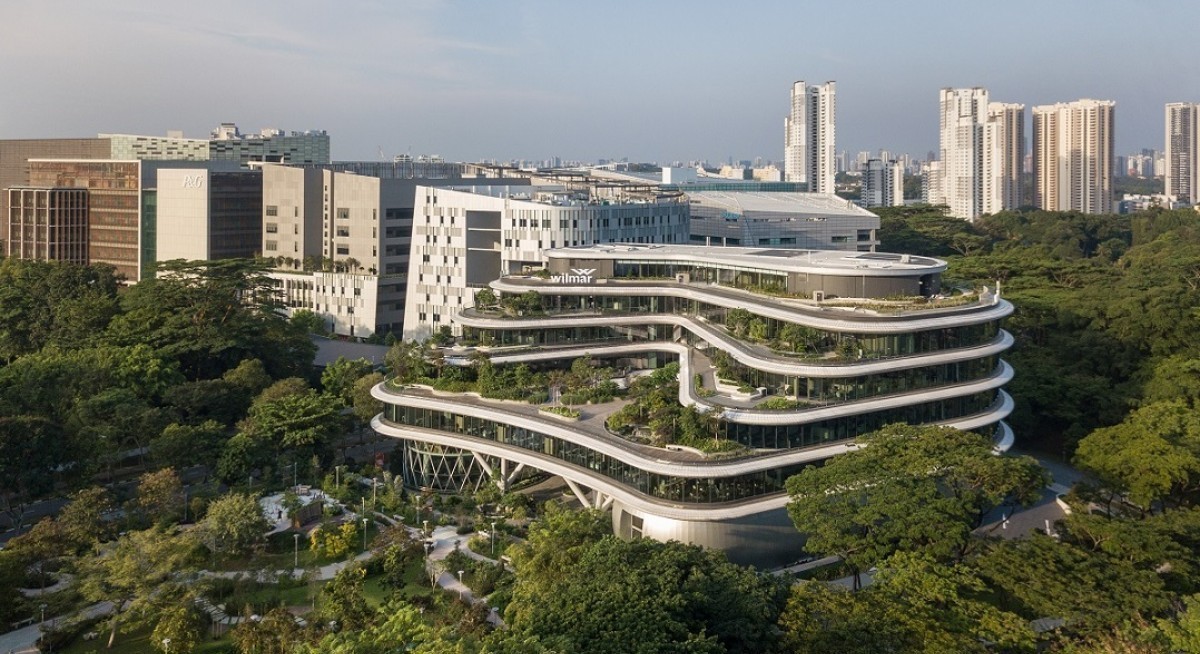

Saifee notes that Wilmar has flagged geopolitical and operating headwinds. Nonetheless, he sees a "constructive" outlook as Wilmar has guided for mid-single digit growth food product volumes, and double-digit growth for newer categories such as flour, rice and noodles.
"Global supply-demand dynamics support stable pricing and positive refining margins in Indonesia and Malaysia," he adds.
Also, while soybean crushing margins are expected to soften and plantation output was weak in early 2026, Saifee expects recovery on the way.
In addition, Wilmar, saddled with regulatory issues in its major markets of Indonesia and China, should see these overhangs "largely behind", with "adequate" provisions made.
See also: Look upstream to SIA Engineering, China Aviation Oil as war breaks out: OCBC
Specifically, Wilmar has booked US$782 million for Indonesia-related matters, US$104 million for its legal cases in China, and US$150 million tied to irregularities at its Pakistan associate, notes Saifee.
The war between the US, Israel and Iran has roiled the oil market but is seen to have a mixed impact on Wilmar.
"While elevated crude could support biofuels & integrated spreads offer some buffer, higher freight & insurance costs plus potential demand softness if conflict escalates may be the offsetting factors," reasons Saifee.
See also: JPMorgan sticks with ‘overweight’ on Singtel as share buybacks begin early
Meanwhile, a weaker US dollar also provides an incremental earnings tailwind, estimates Saifee, who has raised his earnings forecasts by 6% for the current FY2026 and 7% for the coming FY2027, leading to the higher target price.
Last but not least, with earnings on an upward trajectory, lower leverage and a more flexible balance sheet, there is scope for Wilmar to pay more dividends, says Saifee, who is projecting a payout of between 16 and 17 cents. In contrast, Wilmar is paying a total of 14 cents for FY2025.
Wilmar International shares, as at 10.15 am, changed hands at $3.68, up 4.25%.


