



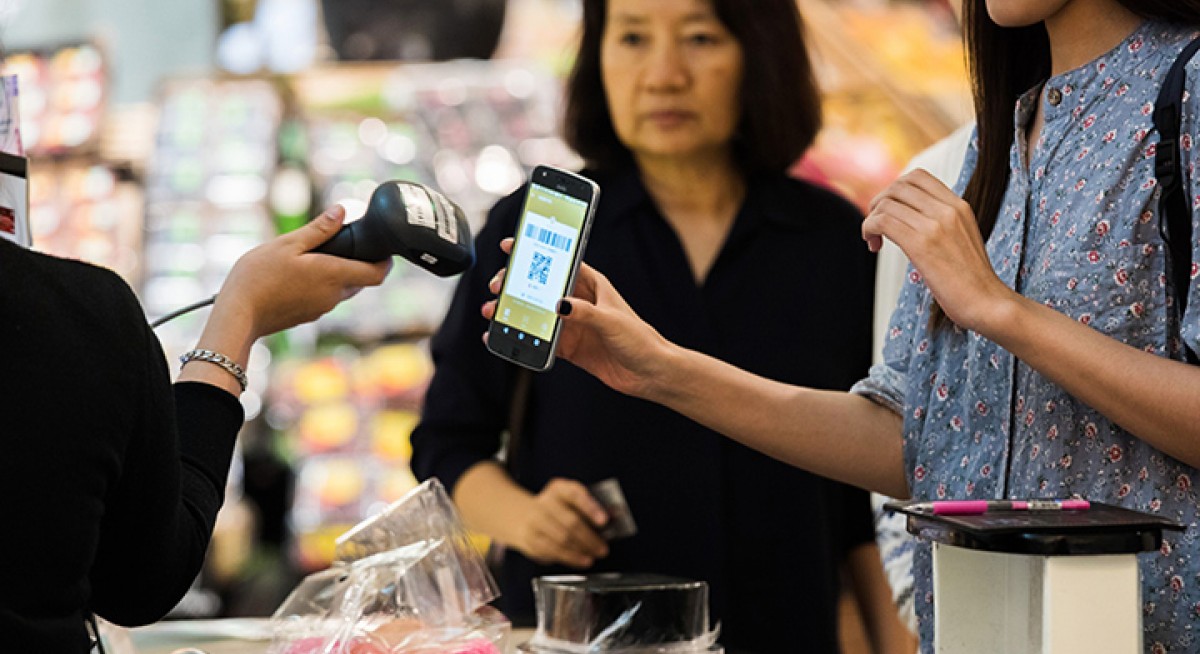



Over the last decade, many services that warranted a bank visit, such as money transfers and loan applications, have already moved online. For consumers, this has made banking significantly more convenient by cutting down on travel time and queues. In countries where petty crime remains a problem, the move to digital banking has also made the movement of large amounts of money safer. International banking and money transfer have also become much cheaper and faster due to the rise of digital services. When travelling, too, consumers no longer have to look for physical bank branches in foreign countries.
The banking and financial services industry (BFSI) is headed towards a revolution. The Monetary Authority of Singapore (MAS) is due to issue digital banking licenses to up to five new players within the second half of 2020. These licenses will allow non-bank entities to offer banking products and solutions. The licensing process, halted temporarily due to the Covid-19 pandemic, resumed in full force in June with a decision imminent. Applicants for the licenses are big players with serious ambition, capital, and a wide customer base such as Sea, ByteDance and a consortium featuring Grab and Singtel.
The approval of these digital banking licenses in the near future is the latest signal in an industry primed for change. Coupled with global developments, such as the move to open banking, a more efficient and customer-centric banking experience is in the offing.




