



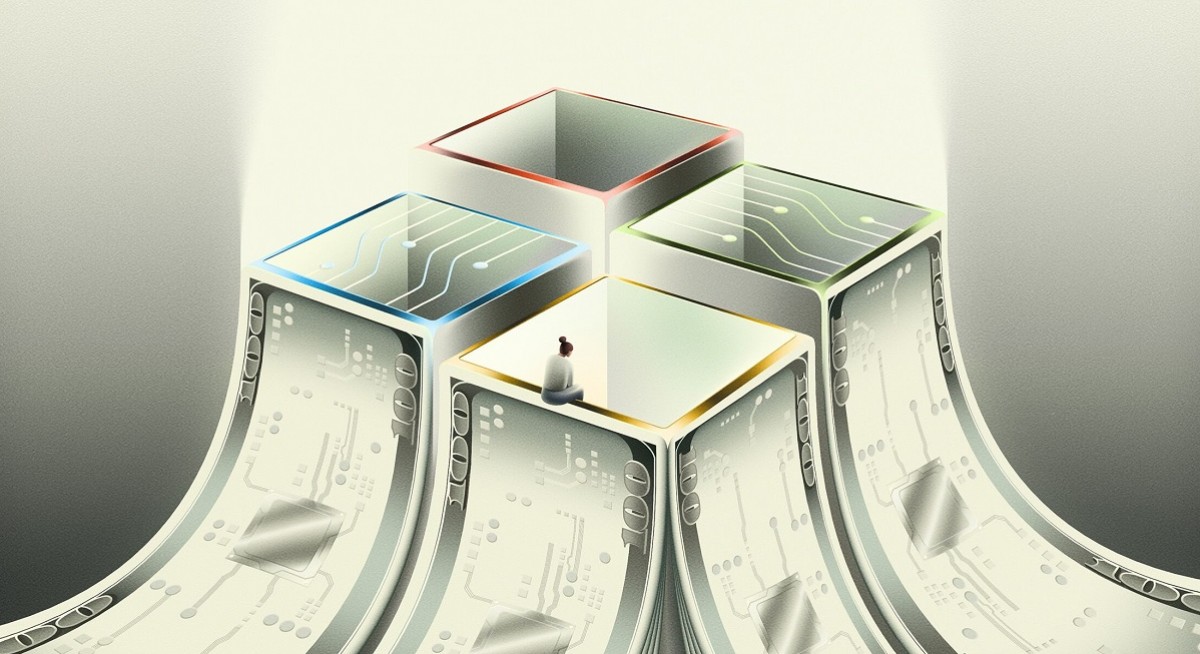



Microsoft Corp, not OpenAI, owns the mega-computers that enable the chatbot to compose a sonnet about your cat or write a thank you note to your uncle. Microsoft is OpenAI’s largest shareholder, financial backer, and key technology partner. And to a great extent, it is Microsoft now responsible for turning ChatGPT’s buzz into a real business. Although OpenAI is hands-down the hottest start-up in Silicon Valley, in many ways, it feels more like the most promising subsidiary of the leading purveyor of productivity software.
There are two ways of looking at ChatGPT, the artificial intelligence (AI) chatbot that hundreds of millions of people have tried since its release late last year. One view, preferred by many politicians, journalists, and the company that created the app, is that its release was a historical development on par with the Industrial Revolution — or, more troublingly, the atomic bomb. OpenAI’s co-founder, Sam Altman, has warned that future versions of the underlying software, a large language model known as GPT-4, could wipe out the human race.
The other way to look at ChatGPT is as a vehicle for viral hype. Play around with the software for a few minutes, and it is obvious that the potential for Armageddon has its limits. The app struggles with middle school math, can’t tell you what happened last week and is the machine equivalent of a compulsive liar. But it is already true that the software is beyond Altman’s power to control fully.


![[19/05/26] new top stories](/_next/image?url=https%3A%2F%2Fedgemarkets-transferred.s3-ap-southeast-1.amazonaws.com%2FPEO_KUNHEE_PARK_01_AC_2.jpg%3FTd3bG7fJqxPW3hMZRxhyfGgI25yRRD5v&w=640&q=75)




