



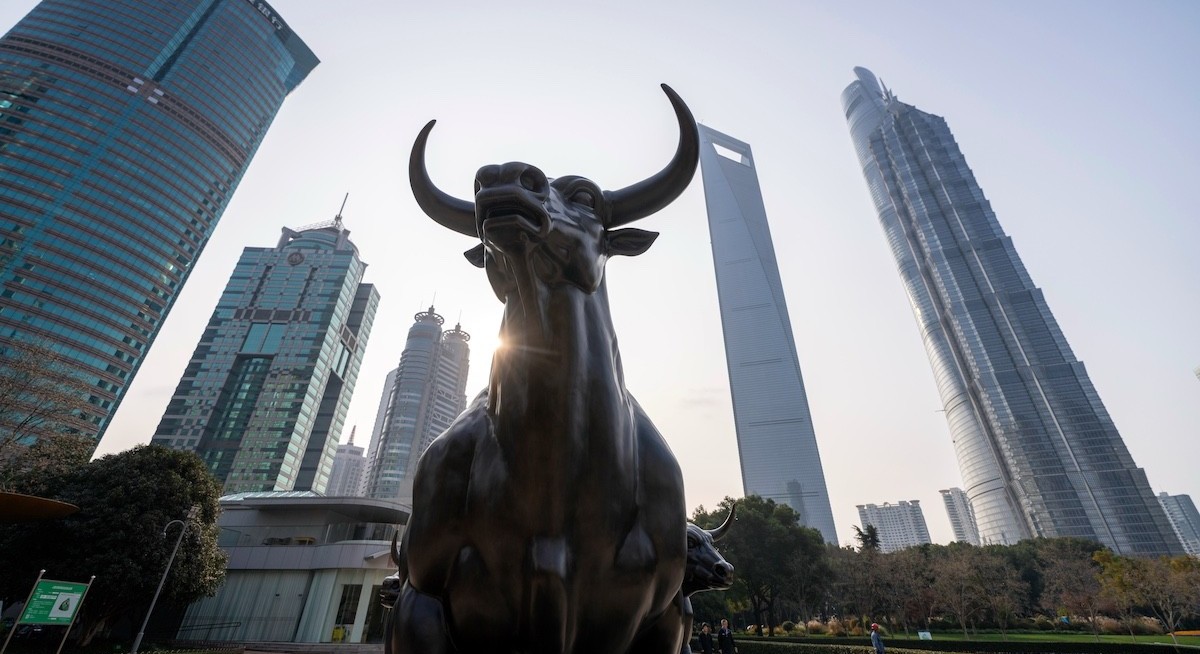



That helps explain why authorities leaned on a state-backed “national team” to influence trading during January’s strong rally, which stirred fears of speculative excess. It’s a reminder of how closely share prices are intertwined with China’s broader economic and political objectives.
China’s stock market has long been more volatile than Beijing would like, a problem that has taken on greater urgency as the government tries to shift growth away from property and debt and towards technology and innovation.
Equities are increasingly expected to help fund companies, support household balance sheets and reinforce confidence at a time of intensifying economic pressure and strategic rivalry with the US.




