



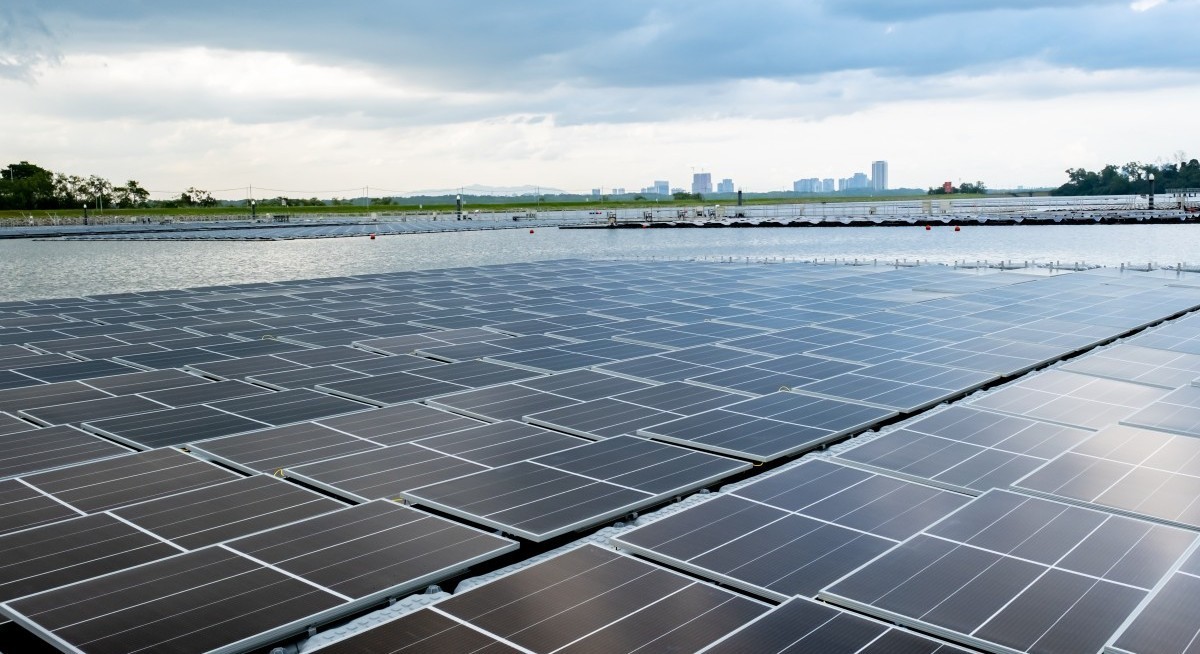



For reasons of sustainability and energy security, the government has been greening its electricity supply and investing in the energy transition to safeguard the nation’s energy needs. Initiatives include the $5 billion in the Future Energy Fund for Singapore and US$500 million ($644 million) in concessional funding to support the Financing Asia’s Transition Partnership (FAST-P), which aims to mobilise a total of US$5 billion to address climate change in Asia. On a global basis, more than US$2.08 trillion was poured into the energy transition in 2024, notes BloombergNEF.
Energy is “fundamental” to powering the nation’s economy, the Energy Market Authority (EMA), Singapore’s energy regulator, says. It keeps households running day to day and underpins business and industrial activity. In a 2023 report, the International Energy Agency (IEA) found that total energy supply in Singapore reached 1,308,856 terajoules (TJs). The energy mix comprised 64.8% oil, 31.5% natural gas, 2.2% biofuels, 1.1% coal and 0.4% of solar, wind and other renewables.
However, mainly due to inefficiencies when converting supply to useful energy, total consumption was 758,128 TJ. A breakdown of consumption reveals that around 65.2% came from oil, 26.3% from electricity, 7.4% from natural gas and 1.1% from coal. In addition to utilisation of energy for activities, the IEA also included non-energy uses of energy products, such as fossil fuels being used to make chemicals, as part of consumption. It also noted that nearly 94% of Singapore’s electricity is generated from natural gas.




