



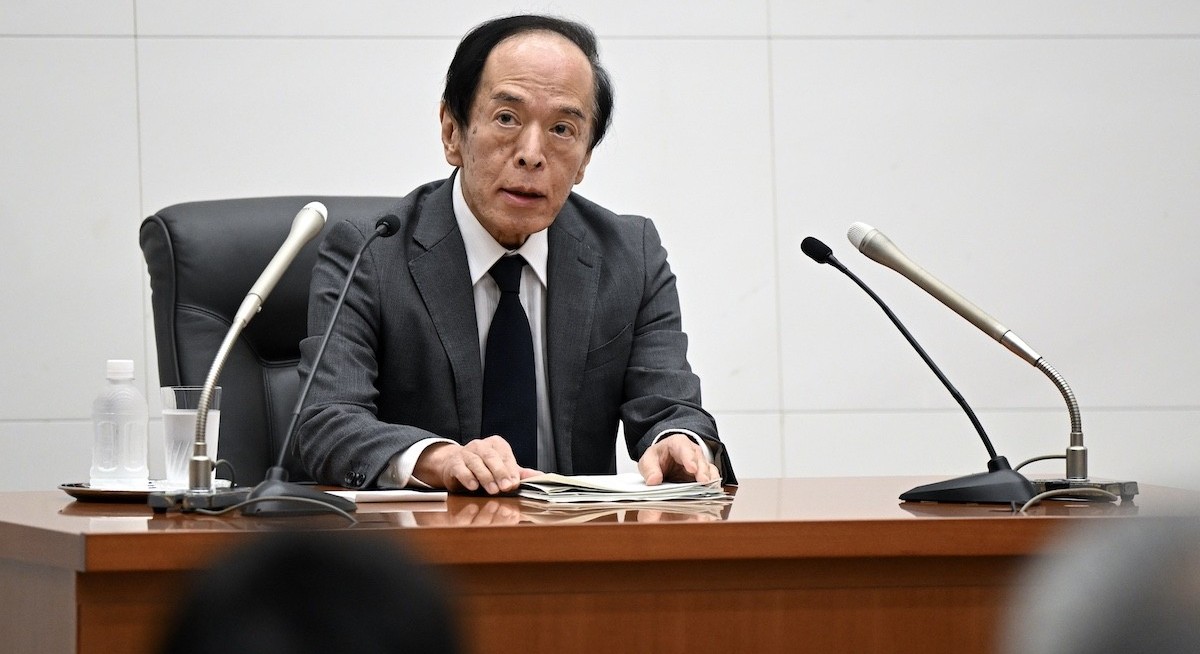



Hirofumi Suzuki, chief FX strategist and head of a research group in treasury at Sumitomo Mitsui Banking Corporation (SMBC), says the decision “was in line with market consensus expectations and therefore not a surprise”. Suzuki adds that the BOJ has explained the hike “largely in terms of the initial momentum in this year’s Shunto (spring wage negotiations)”, aligning with Governor Kazuo Ueda’s earlier guidance. On the outlook, Suzuki expects the BOJ to keep moving but not to rush: it is likely to continue hiking gradually without explicitly stating a terminal rate, and “a rapid pace of tightening is not expected”, which, in Suzuki’s view, means downward pressure on the yen in the FX market is likely to remain persistent.
Japan’s central bank has lifted its key policy rate to a 30-year high, nudging the country further away from the ultra-loose stance that has defined its monetary policy for decades. The Bank of Japan (BOJ) raised its benchmark short-term rate by 0.25 percentage point (ppt) to 0.75% on Dec 19, its highest level since September 1995, in a widely expected move. The decision was unanimous, and the BOJ said it is prepared to raise rates further if the outlook for the economy does not materially change.
The hike comes as Japan’s inflation remains above the BOJ’s 2% target and the weak yen continues to lift import costs, even as other major central banks have started cutting rates. Markets are now focused less on the hike itself and more on how quickly the BOJ can keep normalising policy without destabilising the yen, government bonds or an economy that recently contracted.




