



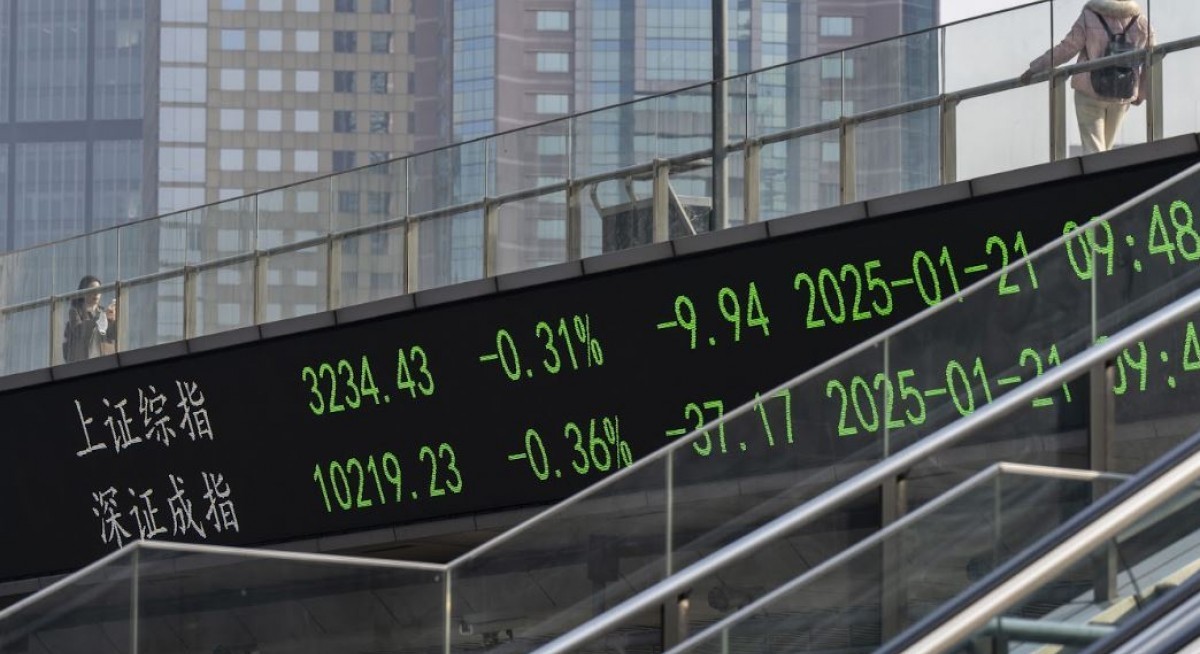



Fast-forward to the present: While China’s real estate market awaits stronger signs of a turnaround, the nation’s tech prowess can no longer be ignored. In 2025, foreign holdings of Chinese assets across all classes — equities, bonds, deposits and loans — recorded inflows in the first half of the year that were roughly 60% higher than the total for all of 2024. China, and Chinese tech in particular, is now firmly back on the radar of global capital. The shift marks a clear return of confidence, fuelled by Beijing’s push to reopen its markets and the re-emergence of Chinese tech as a global disruptor.
It is an animal menagerie when it comes to China’s tech scene, from little dragons to AI tigers. For the uninitiated, the most familiar name will likely be the “BATs” — an acronym that was popularised in the early years of China’s internet economy to describe the foundational triad of its digital landscape: Baidu, Alibaba and Tencent. If nothing else, this impulse to build a zoo out of China’s sprawling tech ecosystem reflects the well-meaning attempt to categorise, and perhaps contain, a market that feels too vast and dynamic to be pinned down. A market that, for the longest time, has also been cast aside by most foreign investors as being “uninvestable”, and thus undeserving of deeper understanding.
Indeed, China’s reputation in the international capital markets has long been marred by capital controls, regulatory shocks and a foreign press eager to frame every policy move as a red flag (see images of headlines). In 2015, Beijing’s sudden devaluation of the yuan saw foreign capital take flight in droves. More recently, sweeping regulatory crackdowns in 2021 across sectors from e-commerce to education spooked foreign capital even further. And adding to the troubles, a spiralling property crisis that has gripped China’s economy through much of the 2020s has only further cemented its fall from grace among global investors.




