



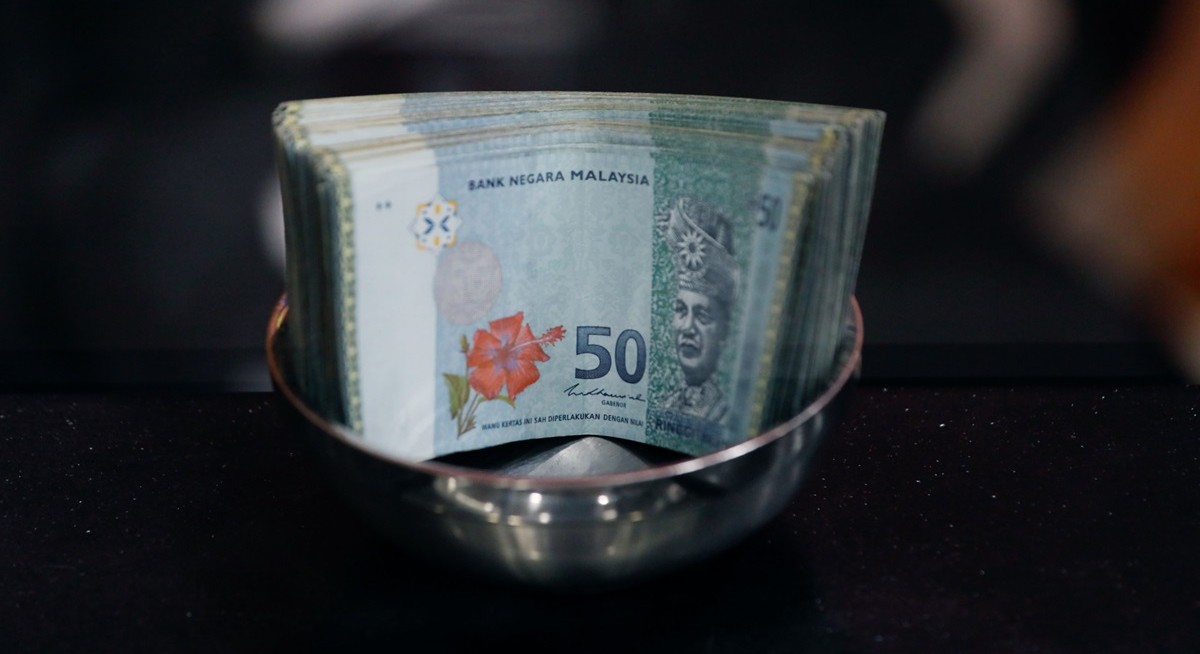



The ringgit has been in a secular decline, not only against the US dollar but also against the basket of currencies of Malaysia’s main trading partners. And this is due mainly to the country’s falling relative competitiveness in the global market. We articulated this in great depth a couple of weeks back and demonstrated mathematically how lagging productivity growth inevitably led to a weaker ringgit, for the country’s exports to remain competitive.
This is clearly a structural problem, the unintended cumulative result of decades-long poor government policies. To reverse the effects too will require structural reforms to specifically address the decline in the country’s long-term relative competitiveness. What must be done — to strengthen the economy, and raise the country to high-income nation status, in a knowledge-driven digitalised world — is a subject that has been very well-research and articulated, including by Bank Negara Malaysia and the World Bank. We have summarised some of the main points in Table 1.




