



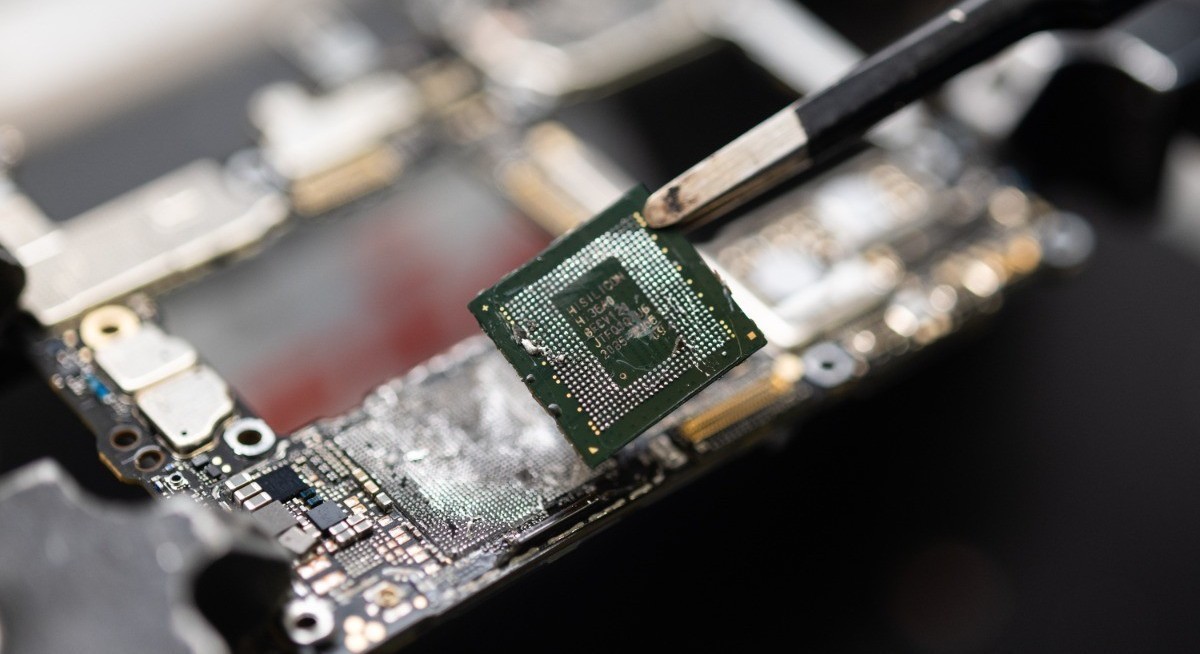



Today, the company’s presence in the region hangs on a thread, caught between Washington’s strict restrictions on exporting its most advanced chips and Beijing’s retaliatory outright ban on Nvidia chips altogether (announced in September). For all of Nvidia’s successes elsewhere, the stinging loss of the Chinese market cannot be overstated. China currently accounts for roughly one-third of global semiconductor sales, making the country the largest single-country market in the world.
At the Nvidia GPU Technology Conference in late October, CEO Jensen Huang appeared to deliver exactly what the markets wanted: proof that the tech giant remains the centre of gravity within the current artificial intelligence (AI) ecosystem. Announcements of fresh partnerships with Uber, Palantir, Amazon and Microsoft underscored the continued expansion of Nvidia’s already extensive sphere, sending the company shooting past an unprecedented US$5 trillion market cap.
It’s a completely different story across the Pacific, however. In China, Nvidia’s once near-monopolistic foothold has all but vanished. Before the onset of long-drawn export policy disputes between American and Chinese regulators, Nvidia once commanded roughly 95% of China’s market for AI graphics processing units (GPUs).




