



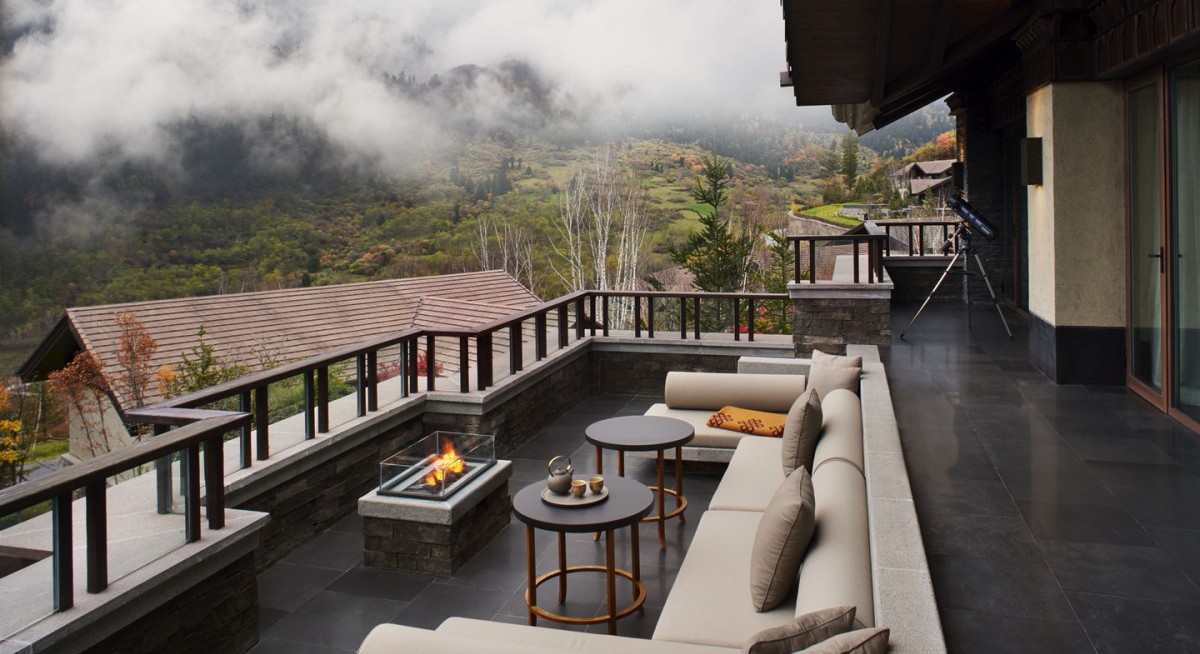



While capital is tighter, expectations are also higher. Shifting consumer expectations are reshaping the definition of luxury itself. Spending power among Gen X, Millennials and Gen Z is accelerating, fuelled in part by the massive US$84 trillion ($107 trillion) intergenerational wealth transfer underway in the US alone. This new generation of travellers is placing greater emphasis on sustainability, personalisation, well-being and immersive cultural experiences, moving luxury away from overt opulence toward conscious consumption, authenticity and emotional connection.
For decades, luxury in hospitality development has been closely associated with grandeur, opulence, expensive materials and high overall capital expenditure. However, this has over time become disconnected with the economic realities of luxury hospitality development and evolving guest priorities. Rising construction costs, tightened credit conditions and unpredictability of supply chains are placing increasing pressure on project viability, forcing developers to reassess how value is created, delivered and ultimately sustained.
Across the industry, this has significantly impacted the approaches taken when evaluating property enhancements, with a considered, highly strategic and value-conscious model increasingly adopted. This is an approach that is exemplified through a number of our recent projects, including Lagen Island Resort, El Nido by Ayala Land Hospitality and Umana Bali, LXR Hotels & Resorts.




