

Floating Button

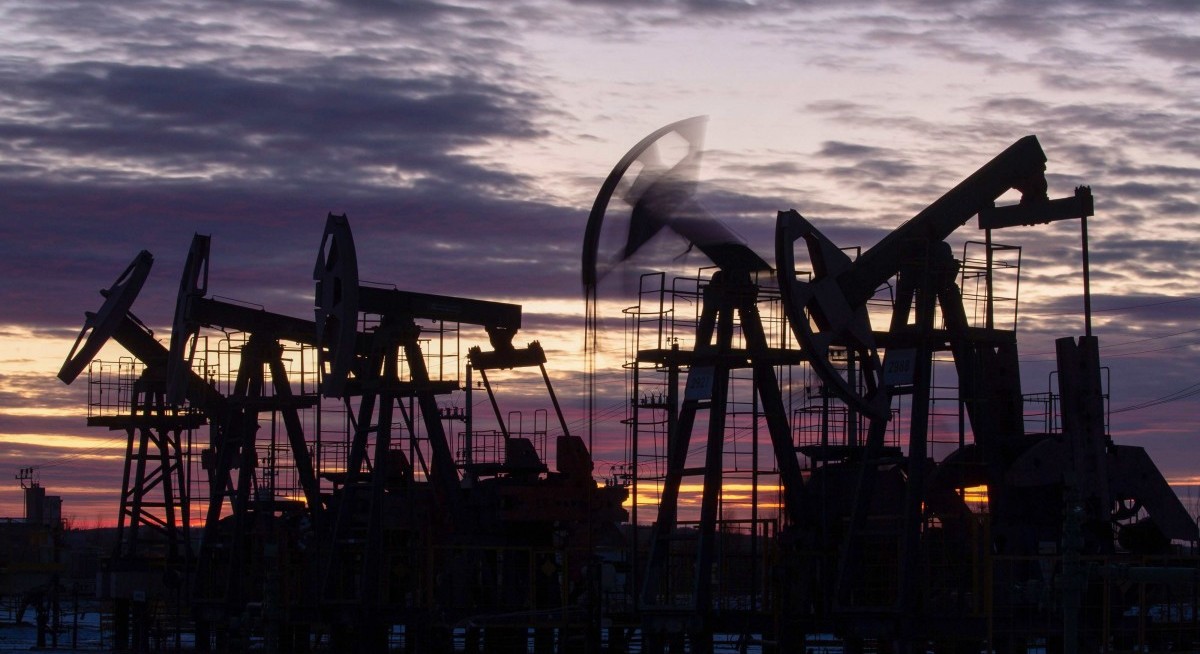
What does a higher oil price mean for real estate?

Joachim Kehr
Joachim Kehr • 3 min read
What does a higher oil price mean for real estate?
There are “extenuating circumstances” that should soften the impact on real estate if interest rates do end up rising, says Joachim Kehr, Asia-Pacific head at CenterSquare Investment Management. Photo: Bloomberg
Font Resizer
Share to Whatsapp
Share to Facebook
Share to LinkedIn
Scroll to top
Follow us on Facebook and join our Telegram channel for the latest updates.

That was the first question in almost every investor meeting during last week’s visit to Taiwan.

A higher oil price generally means higher inflation, which generally means higher interest rates. And when interest rates go up, real estate goes down.

However, we wouldn't be particularly good real estate investors — and clients would’ve regretted agreeing to an hour-long meeting — if we didn’t have a little more to add.

There are extenuating circumstances that should soften the impact on real estate if interest rates do end up rising.

1. Real estate supply is low and falling

Almost every sector across every market (with the notable exception of data centres) will see falling supply in 2026-2028. Construction costs are high, in no small part thanks to the boom in data centres and related energy infrastructure; construction labour is scarce, particularly in places like Japan; and getting development approvals is excruciatingly difficult.

See also: C-REIT market won’t overtake US REITs: CenterSquare Apac head

2. Earnings growth is high

When supply is low and demand is strong, prices rise. That is what is happening in real estate today.

In the US, retail rents are rising as ever more shoppers with ever higher disposable incomes are shopping in the same number of retail outlets.

See also: CenterSquare’s Apac head eyes Japan real estate as deflation ends

In Australia, housing prices are up, as populations expand faster than the cities they want to live in.

3. Balance sheets are healthy

REITs and developers spent the past three years selling non-core assets, reducing gearing and using falling interest rates to lock in lower debt costs.

Should real estate values fall, many REITs would see it as a welcome opportunity to acquire quality assets at attractive prices.

4. Real estate values have already corrected

It wasn’t long ago that real estate values dropped sharply. Today, valuations are trading below their 15-year averages despite stronger earnings growth. The likely magnitude of any fall in real estate values is much lower today than it was four years ago.

5. Real estate is HALO

Three weeks ago, artificial intelligence (AI) was the dominant topic, with investors rushing to sell sectors AI may disrupt and buying heavy assets, low obsolescence (HALO) instead.

Real estate is, by definition, “heavy assets” and while not all are “low obsolescence”, we spend 95% of our time indoors; chances are AI won’t disintermediate our need for a roof over our heads.

“Interest rates up, real estate down” will continue to hold, but it’s worth looking beyond the headline when deciding where to invest.

Joachim Kehr is Asia-Pacific head at CenterSquare Investment Management

Photo: Albert Chua/The Edge Singapore

Read more about CenterSquare Investment Management:

CenterSquare’s Apac head eyes Japan real estate as deflation ends

C-REIT market won’t overtake US REITs: CenterSquare Apac head

For more property trends and breaking news, visit City & Country’s microsite at theedgesingapore.com/cityandcountry

×
The Edge Singapore
Download The Edge Singapore App
Google playApple store play
Keep updated
Follow our social media
© 2026 The Edge Publishing Pte Ltd. All rights reserved.

