



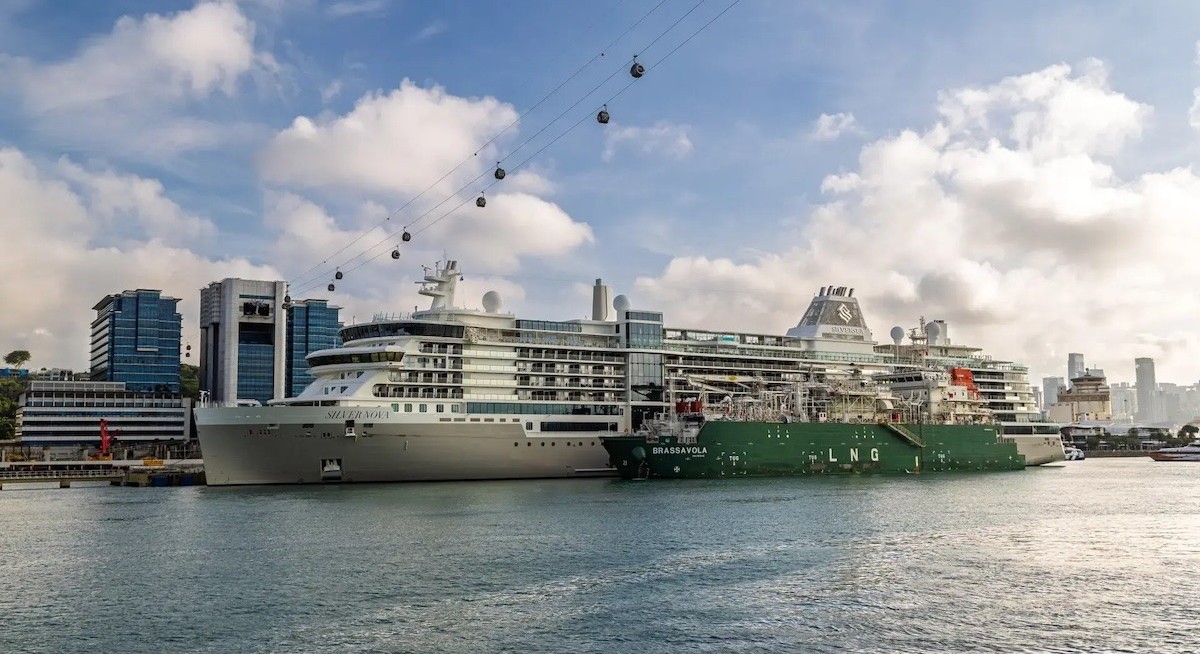


For decades, maritime passenger terminals have been engineered primarily as physical infrastructure – piers, halls, counters, and queues – designed to move people and vessels safely from shore to sea, and vice-versa. Today, that paradigm is shifting. As passenger expectations rise and operational constraints tighten, the future of cruise and ferry terminals will be defined not by concrete and steel alone, but by data, integration, automation, and intelligence.
Singapore Cruise Centre (SCCPL) is nearing the final phase of a five-year digital transformation journey to modernise its terminals and operations. A clear imperative drives this transformation: to deliver seamless, end-to-end passenger experiences while managing rising manpower costs, limited berth capacity, and increasing operational complexity. More broadly, it reflects the growing need to digitalise the maritime passenger sector, an industry that must now operate with the same precision, responsiveness, and situational awareness as modern airports.




