



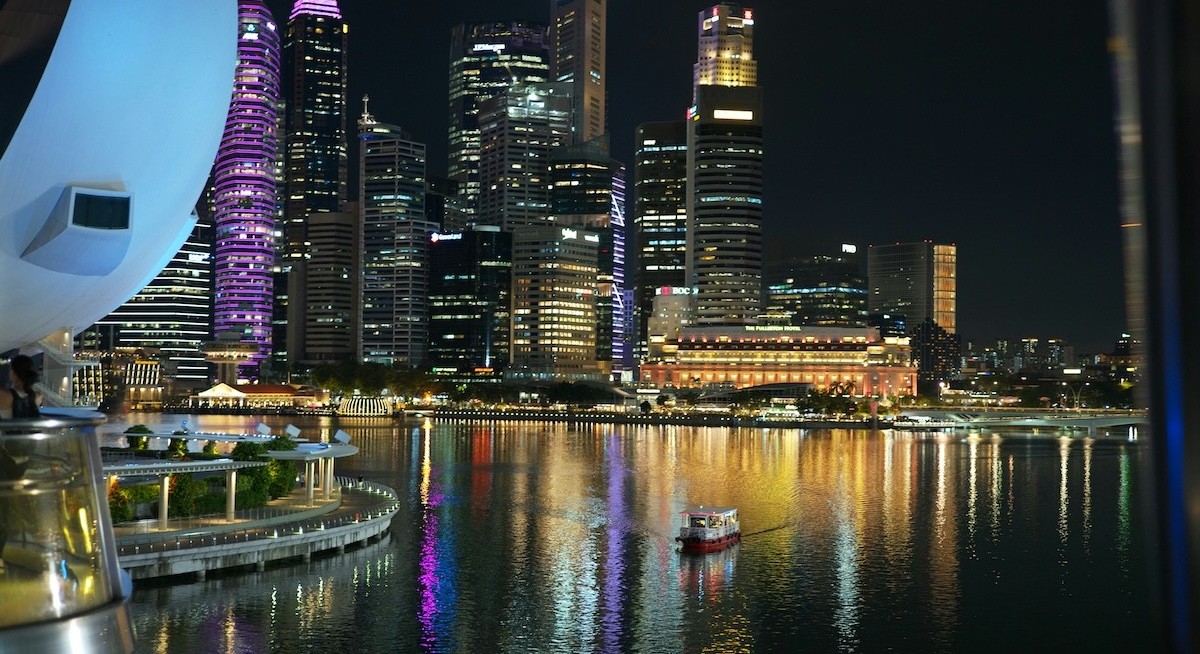



Faced with steep competition and a narrowing divide in innovation leadership as AI access grows more ubiquitous, Singapore will need to reevaluate its Smart City strategy. This cannot be done without re-examining how the Republic is harnessing its data. After all, massive amounts of data that Singapore currently holds will allow it to tap AI, Machine Learning (ML), and data analytics to drive greater automation across devices, edge, and cloud. But, the key to this lies in eliminating impediments like computational bottlenecks and latency through designing and scaling industrial computers with greater levels of diversified compute.
Singapore ranks top in the region and 9th globally in IMD’s Smart City Index 2025, particularly heralded for its well-connected and digitally advanced infrastructure – be it transport, or the essential digital applications that draw on a constantly updated repository of public information. Each of these is enabled by heavy integration of sensors playing a key role in real-time data collection and analysis that power the city-state’s everyday needs. Take, for instance, the 50-hectare Punggol Digital District. Powered by an Open Digital Platform, businesses there are given access to instant district data that enables innovation and optimises sustainable operations.
Keeping up with the pace, neighbouring cities, such as Hong Kong and Bangkok, are also embracing AI to improve the environment in which their urban community lives in. This has translated to heavy investments into capacity building for urban infrastructure, private-public partnerships to strengthen its innovation ecosystem, and bolstering education opportunities for advanced technologies to grow a local pipeline of talent that can tap into digital technologies solve long-standing challenges like sustainability and mobility.




