



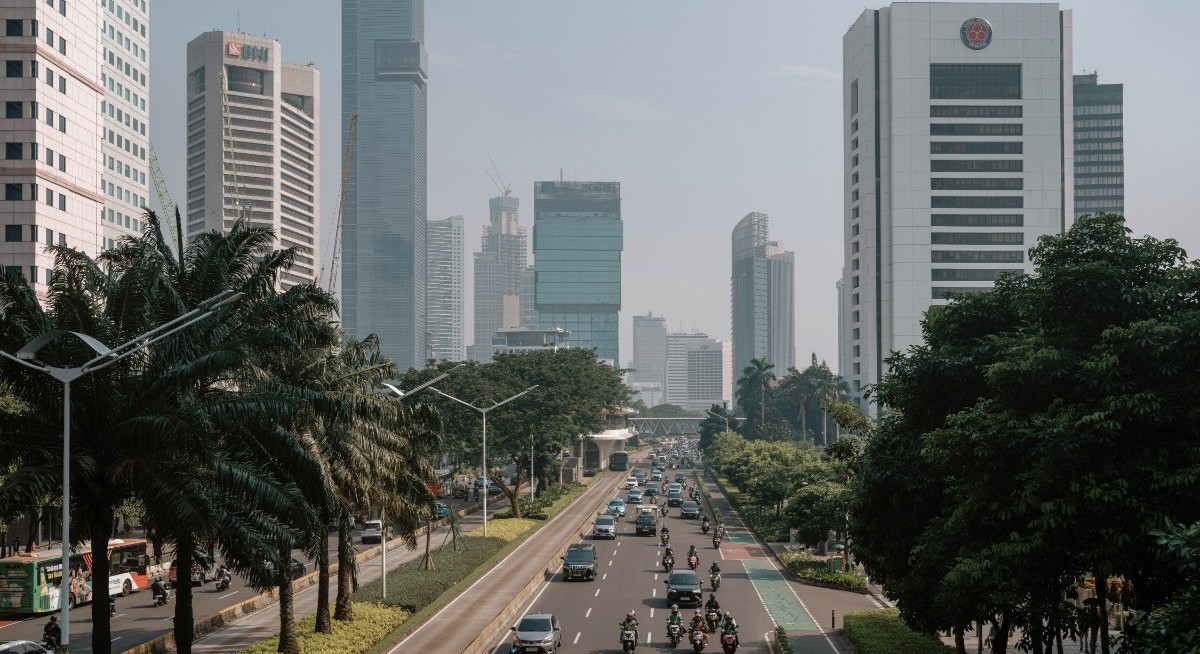


(Feb 23): Indonesia posted a rare budget shortfall in January after the government followed through on its pledge to accelerate spending to support economic growth.
The fiscal deficit stood at 54.6 trillion rupiah, equivalent to 0.21% of gross domestic product, Indonesian Finance Minister Purbaya Yudhi Sadewa said in a briefing on Monday (Feb 23).
Post-pandemic, the government has typically posted a surplus in the first month of the year, when tax revenues are strong and projects are just getting started.
“Hopefully, the state budget can continue to drive economic growth in the first quarter to maintain the momentum,” said Purbaya, adding that he will monitor efforts to hasten spending across ministries.

Stocks, the rupiah and benchmark 10-year government bonds held earlier gains as US President Donald Trump’s new tariff threats hurt sentiment toward the greenback, benefiting Asian assets.
See also: Bank of Thailand surprises with 4-2 vote to cut key rate
State spending jumped 25.7% year-on-year in January to 227.3 trillion rupiah, far outpacing the 9.5% increase in state revenue to 172.7 trillion rupiah. It’s the most the government has spent on the first month of the year since at least 2019, according to data compiled by Bloomberg.
Ministries and agencies recorded a 129% surge in their expenditure as they more than doubled funding for Indonesian President Prabowo Subianto’s free meals programme and other social aid. Capital spending also increased nearly sevenfold as the government invested in irrigation, connectivity and food security initiatives.
The finance ministry aims to sustain the heightened pace of spending, with 809 trillion rupiah earmarked over the first quarter.
See also: Indonesian wealth fund co-CIO resigns as leadership gap widens
The spending spree should bode well for Southeast Asia’s largest economy, which beat expectations and expanded 5.39% last quarter due to government stimulus. Purbaya has said growth should accelerate further to 5.5%-6% this quarter.
The market will be closely watching Indonesia’s fiscal path this year as the finance chief has pledged to keep the deficit within its legal cap of 3% of GDP, despite the faster spending.
Moody’s Ratings earlier lowered the outlook on Indonesia’s credit rating to negative, citing risks to fiscal stability. A team from Fitch Ratings is visiting and meeting policymakers for assessment this week, said Febrio Kacaribu, the finance ministry’s director general of economic and fiscal strategy.
Uploaded by Arion Yeow




