



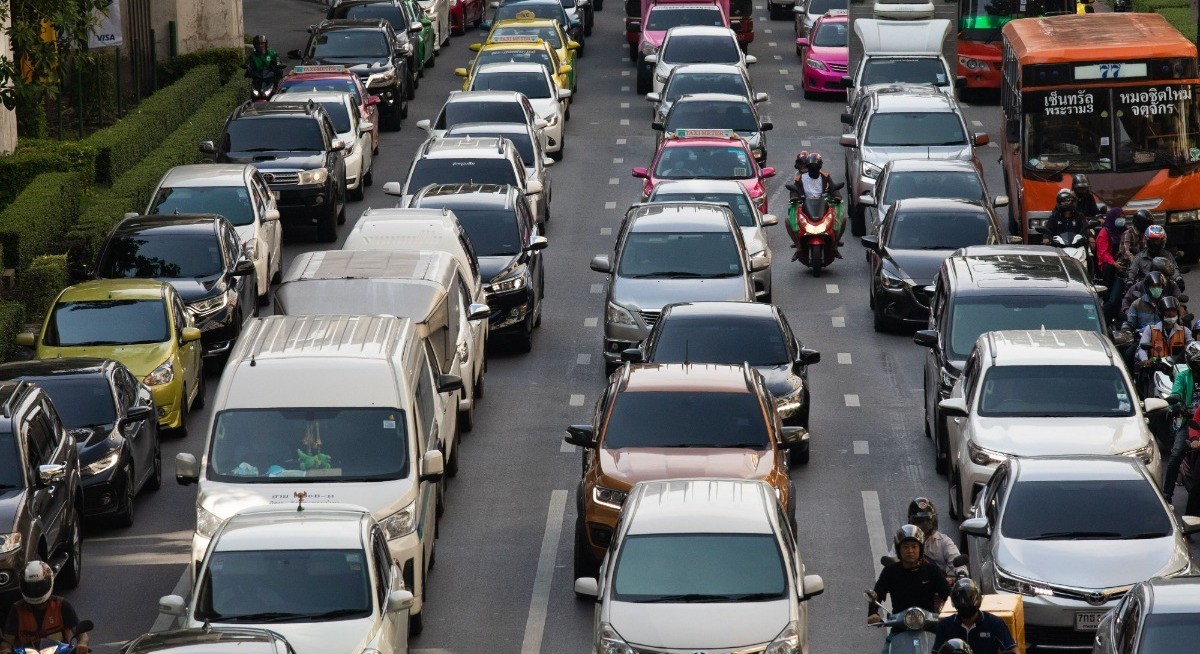


(March 10): The Thai government will require most government agencies to adopt full work-from-home arrangements starting immediately as part of its emergency measures to curb energy demand.
The move, approved by the cabinet on Tuesday, is aimed at reducing energy consumption amid heightened supply risks, according to Danucha Pichayanan, secretary-general of the National Economic and Social Development Council. The mandate applies to all government workers whose roles aren’t directly related to public services.
The cabinet also urged government officials to suspend non-essential overseas travel for the time being, allowing only essential international meetings.
Thailand — which relies heavily on imported crude particularly from the Middle East — currently consumes about 124 million litres of refined oil per day. As of March 5, the country held roughly eight billion litres in oil reserves, enough to cover about two months of demand without new supplies.
The Energy Ministry has proposed additional energy-reduction measures, including setting air-conditioning temperatures at 26 to 27 degrees Celsius (about 80 degrees Fahrenheit) and encouraging short-sleeved attire during Thailand’s peak hot season.
For now, the government is seeking voluntary cooperation from the private sector and has asked the Public Relations Department to launch television, radio and social media campaigns to promote energy conservation.
See also: Philippine firms brace for rising costs as oil surge drags peso
However, if the situation deteriorates or begins to materially disrupt energy supply, authorities could introduce mandatory steps, such as turning off illuminated signs after 10pm or limiting the operating hours of fuel stations.
The Philippines, which imports nearly all of its oil requirements, has also started a four-day work week for government offices in a bid to save on energy as tensions in the Middle East push fuel prices higher.
Uploaded by Chng Shear Lane




