



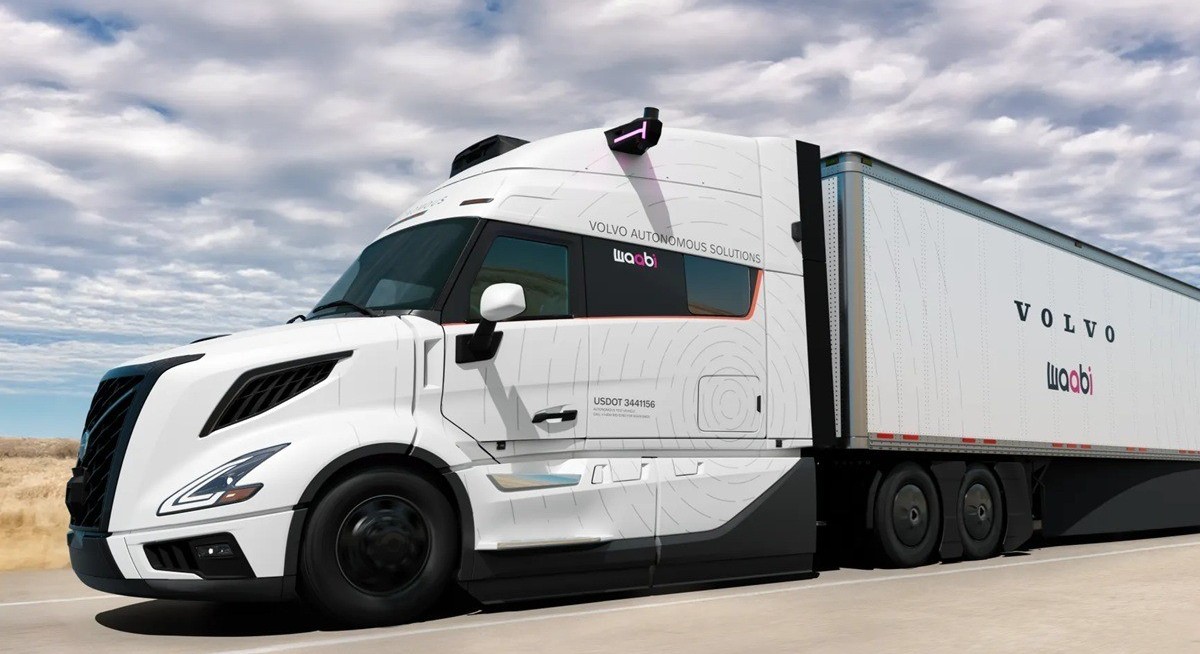



(June 10): Volvo AB expects revenue from autonomous transportation to approach US$3 billion within five years after starting driverless operations on US highways in a few months.
Robo-trucks are set to start driving in the US during the first quarter, with more than 300 autonomous rigs on highways by the end of 2027, Nils Jaeger, who heads the company’s autonomous unit, said Wednesday during an investor meeting.
“We are a first mover and we are here to scale this business,” Jaeger said.
The timeline marks Volvo’s clearest roadmap yet for turning autonomous trucking into a meaningful business. The targets come as investor interest in the sector grows, with driverless Swedish startup Einride AB making its New York Stock Exchange debut on Wednesday. Volvo is betting that transport without someone at the wheel can boost fleet economics and become a meaningful source of future growth.
Jaeger said autonomous trucks could double vehicle utilisation by operating beyond the legal driving limits of human drivers, helping fleets address chronic labour shortages while improving productivity. The goals were among several growth initiatives unveiled at the event in Sweden. Volvo also sees its truck unit and construction equipment business growing faster than its historical rates.
CEO Martin Lundstedt said demand for transport and infrastructure solutions will continue to grow despite geopolitical uncertainty.
See also: BYD debuts smart-driving chip it calls China’s most powerful
In a trading update, chief financial officer Mats Backman added that customer demand remained solid in Europe through April and May while North American demand continued to be strong, with Volvo now taking orders for the third and fourth quarters and gradually increasing production capacity.
Rising freight and raw-material costs linked to tensions in the Middle East are pushing up cost inflation and will affect second-quarter costs, the CFO said.
Uploaded by Arion Yeow




