



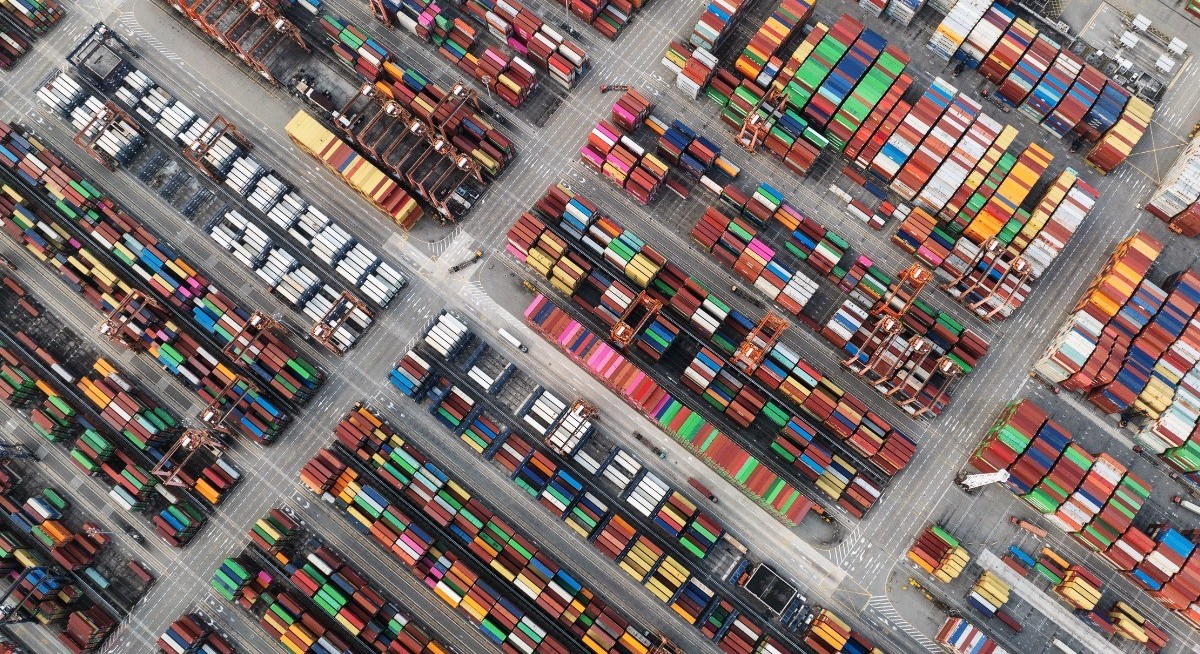



(July 14): China exported a record US$412 billion ($533 billion) worth of goods in June, blowing past all forecasts as factories gain a competitive edge in high-end industries that will draw scrutiny abroad as it generates record trade surpluses with countries from Asia to Europe.
Turbocharged by a global investment supercycle in artificial intelligence (AI), exports climbed 27% from a year earlier, the most in four months, according to data released by the General Administration of Customs on Tuesday.
Imports also surged far more than expected and rose 36%, the fastest in five years. As a result, China’s trade surplus swelled to US$125.6 billion, a monthly level exceeded only once in history.
Brad Setser, a former US Treasury official now at the Council on Foreign Relations, called China’s June trade data “both fascinating and a bit insane”.
“The EU’s (European Union) trade imbalance with China isn’t going to disappear of its own accord,” Setser said on X. “Policy will have to change in either China or the EU if there is going to be a shift in the trend.”

See also: Innolight is said near approval for US$7 bil Hong Kong listing
The breakout performance for China’s trade in June caps a six-month period that saw exports grow by nearly 18% to over US$2 trillion. As its factories pump out products in areas ranging from electric vehicles to ships, the political rhetoric is heating up abroad, with German Chancellor Friedrich Merz using a speech on Monday to call for dialogue with China over trade issues such as the yuan’s exchange rate.
The offshore yuan was little changed after the data release. While the Chinese currency has outperformed its Asian peers this year, it’s perceived as being undervalued by many foreign economists and officials.
Beijing has shown little sign of backing down. Premier Li Qiang said in June that China isn’t intentionally pursuing a trade surplus, attributing his nation’s industrial competitiveness to its own advantages and not subsidies.
See also: ‘Bad inflation’ ends China’s record streak of price declines
The race to build out AI infrastructure has meanwhile been reshaping commerce from South Korea to Taiwan. It’s touched off a new boom cycle for exporters by creating a historic shortage for semiconductors and other electronics, with some chip prices soaring as much as 700% over the past year.
While the price surge is giving a huge boost to trade figures, it’s also creating a distortion. China’s semiconductor exports climbed 122% in dollar terms from a year ago, the fastest in 13 years.
But when measured by volume and not value, sales actually fell 0.4%, declining for the first time in more than two years. The same effect also likely played a part in the 53% increase in exports of computers and their parts.
Taken together, the two categories covering chips and computers accounted for a little over a third of China’s exports growth in June, down from about half in May and April, according to Bloomberg calculations. That shows the surprising strength in overseas sales is broadening to products beyond AI-related goods.
Cars were a case in point. China exported more than one million vehicles in a single month for the first time on record, with their value jumping 70% from a year ago. Local electric vehicle makers are making inroads in overseas markets as global oil prices stay elevated, accounting for more than 15% of sales in Europe for the first time earlier this year.
Other products also saw rapid growth. Ship exports soared 42% and home appliances increased 15%.
“Rising global demand for AI infrastructure, advanced electronics, and capital equipment remains a key support for Chinese manufacturing exports,” said Hao Zhou, the chief economist of Guotai Junan International Holdings. “With external demand holding up better than expected, policymakers face less urgency to launch aggressive stimulus.”
To stay ahead of Singapore and the region’s corporate and economic trends, click here for Latest Section
China is also facing pushback overseas — particularly in Europe, whose manufacturers are struggling to compete both in their home markets and elsewhere.
China’s trade surplus more than doubled with Germany in June from a year earlier and widened by 27% with the European Union to a fresh record of US$32.9 billion. European leaders are intensifying efforts to address the imbalance, with the Group of Seven industrial nations pledging an ambitious target to diversify away from China last month.
Rising trade barriers, global inflationary pressure and geopolitical conflicts present challenges to Chinese trade in the second half, Wang Jun, deputy chief of the customs authority, said at a briefing in Beijing. China is confident it can protect the momentum of foreign trade despite volatility abroad, he said.
While the AI frenzy has helped shield China from months of war in the Middle East, economic growth still likely slowed near the lower bound of the official target of 4.5% to 5% in the second quarter.

Already hobbled by weakness in domestic spending, the economy risks becoming more unbalanced as a result of the AI-led export rush, making it vulnerable to any setback in global demand. In China, the technology is also adding further stress to an already fragile labour market.
And as tensions spiral anew over Iran, investors and economists saw further evidence that China is importing far less oil.
Crude imports plunged 41% from a year ago to 29 million tons in June — the smallest volume purchased by China in almost a decade.
The country has begun to play an increasingly vital role in balancing the global oil market, and has significantly reduced foreign purchases in recent months after the war began. Analysts expect crude imports to recover as authorities return to strategic stockpiling later this year.
“The global AI supercycle will continue to support the overall regional and Chinese trade performance,” said Samuel Tse, a senior economist at DBS Bank Hong Kong Ltd. “And easing trade tension with the US also helps with the exports momentum.”
Uploaded by Tham Yek Lee




