



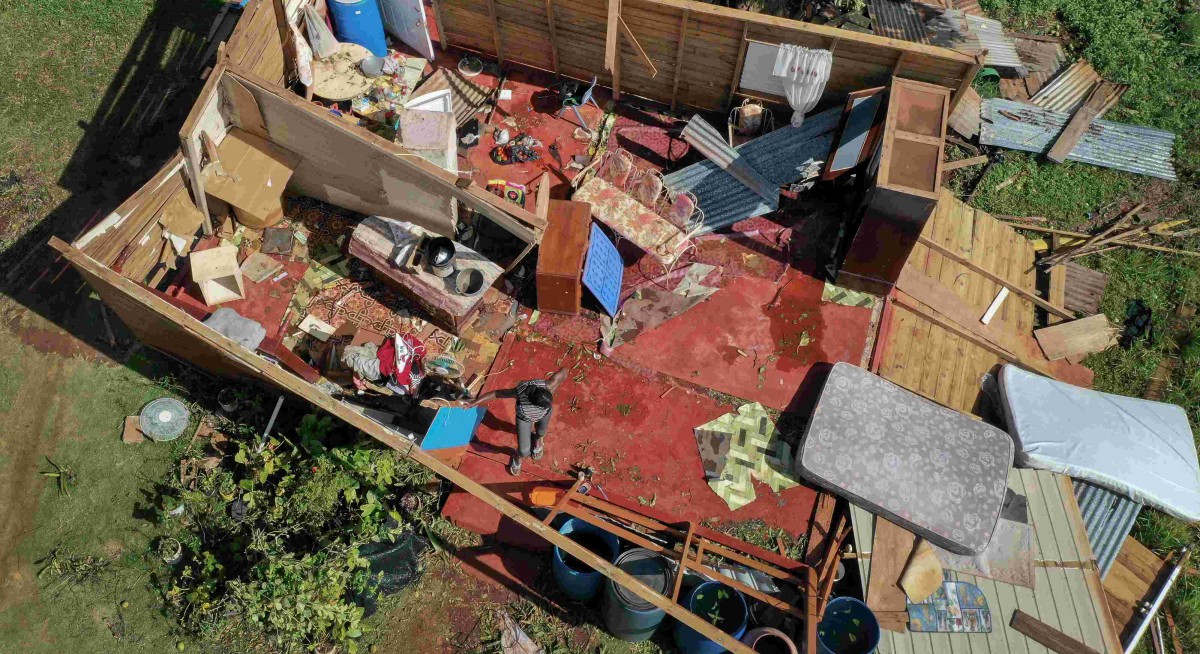



Grievances surfaced in July, after it emerged that Jamaica’s catastrophe bond wasn’t triggered by the devastation wrought by hurricane Beryl. Though the entire Caribbean island was officially declared a disaster area, the carefully calibrated terms of the bond meant its holders were shielded from losses. In the event, it was decided that the precise level of air pressure required for a payout wasn’t achieved.
A strategy that has delivered specialist investors huge returns is now facing scrutiny, amid concerns that its risk-reward dynamics might be skewed against some issuers.
Catastrophe bonds, which are issued by insurers, reinsurers and governments seeking an extra layer of disaster coverage, have been handing investors double-digit returns. Issuers, meanwhile, have seen their costs soar.




