



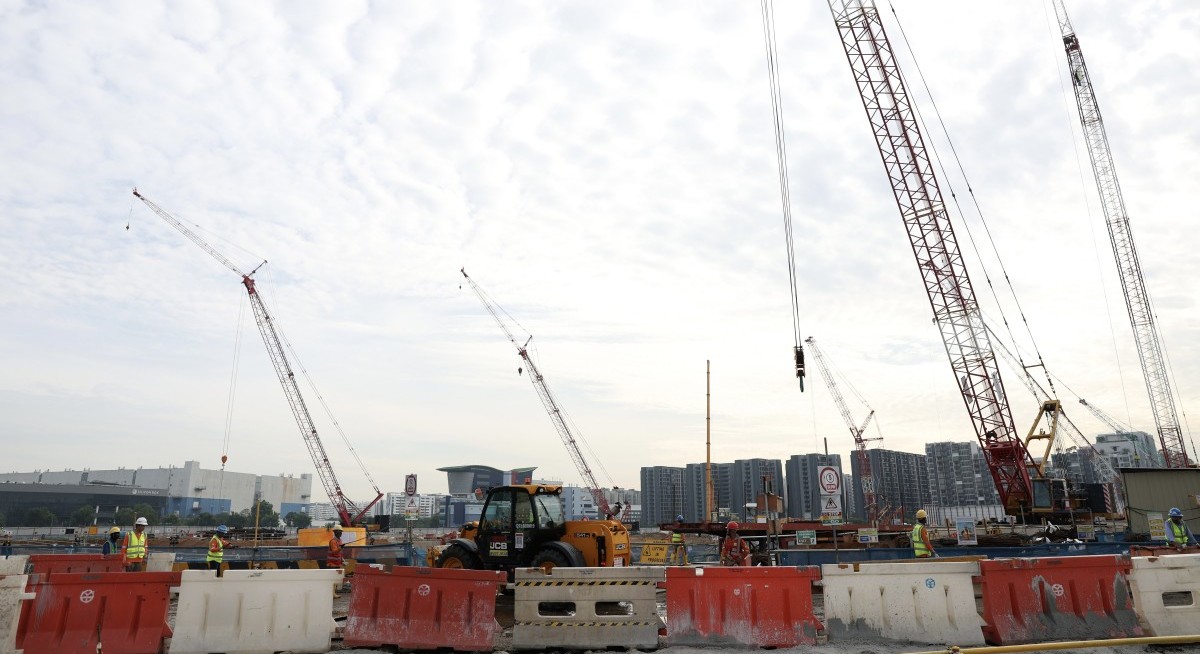



Those spikes have prompted the government to act. On April 7, National Development Minister Chee Hong Tat announced that the government will provide support to construction firms working on critical public-sector projects. Specifically, the government will help bear 50% of the cost increases due to higher diesel and bitumen costs. According to Chee, this includes firms involved in earthworks, piling, roadworks and reclamation for public-sector projects.
The war in Iran might have started as a geopolitical crisis but is being rapidly recognised for what it truly is: an energy crisis. While the state of peace negotiations swings between calm and violence, oil prices are oscillating just as wildly. On April 2, the price of dated Brent went above US$140 ($178), the highest since 2008. Although oil prices have started to come down amid peace talks between the US and Iran, it remains to be seen when exactly the conflict will come to an end.
Singapore’s construction industry has not been spared from the shock in energy prices. The city-state is heavily reliant on imports, including raw materials such as petroleum-derived products like diesel and bitumen used in construction projects. The ongoing blockade of the Strait of Hormuz, which sees roughly 20% of the world’s oil and gas supply passing through it, has sent prices of these petroleum-derived products up.




