



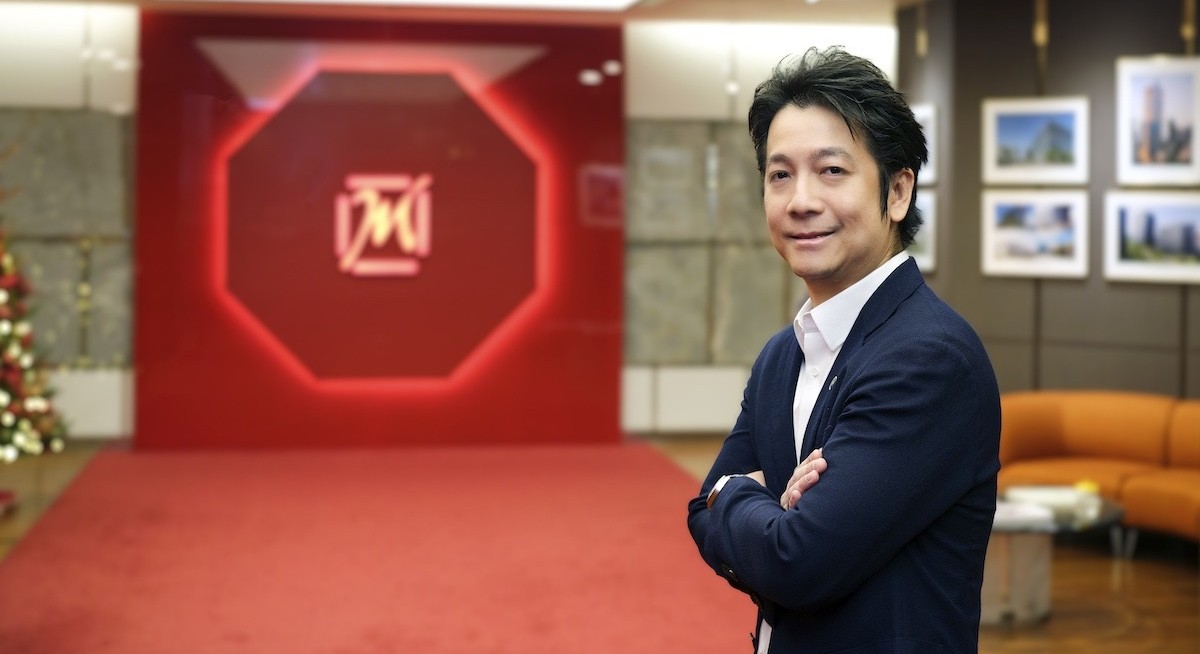



Erwin Wuysang-Oei, CEO of Metro’s retail arm, views the group’s business plans as modernising what a department store stands for while retaining the trust and familiarity that Metro has built over decades. “[The] Retail [arm] has always been the core pillar of Metro strategy,” he says, which drives the group to build its proprietary intellectual property (IP) and “multi-level concept ecosystem” to revitalise the Metro brand.
Metro Holdings’ roots are in Singapore retail, with the group’s Metro Department Store business once a familiar household name across multiple locations. Today, that legacy retail segment has been scaled back to two department stores in Singapore — Metro Paragon on Orchard Road and Metro Causeway Point in Woodlands — operating alongside a much larger property-led portfolio that includes investment properties and stakes in developments.
The strategy for the retail arm is not to rebuild the chain. There are no plans to grow beyond the two stores. Instead, management is focused on keeping the format relevant in a market where department stores have been squeezed by fast fashion, vertical brands, online marketplaces and increasingly experience-led malls. The aim is to rejuvenate the stores, lift shopper interest and improve productivity per square foot, rather than chase footprint.




