



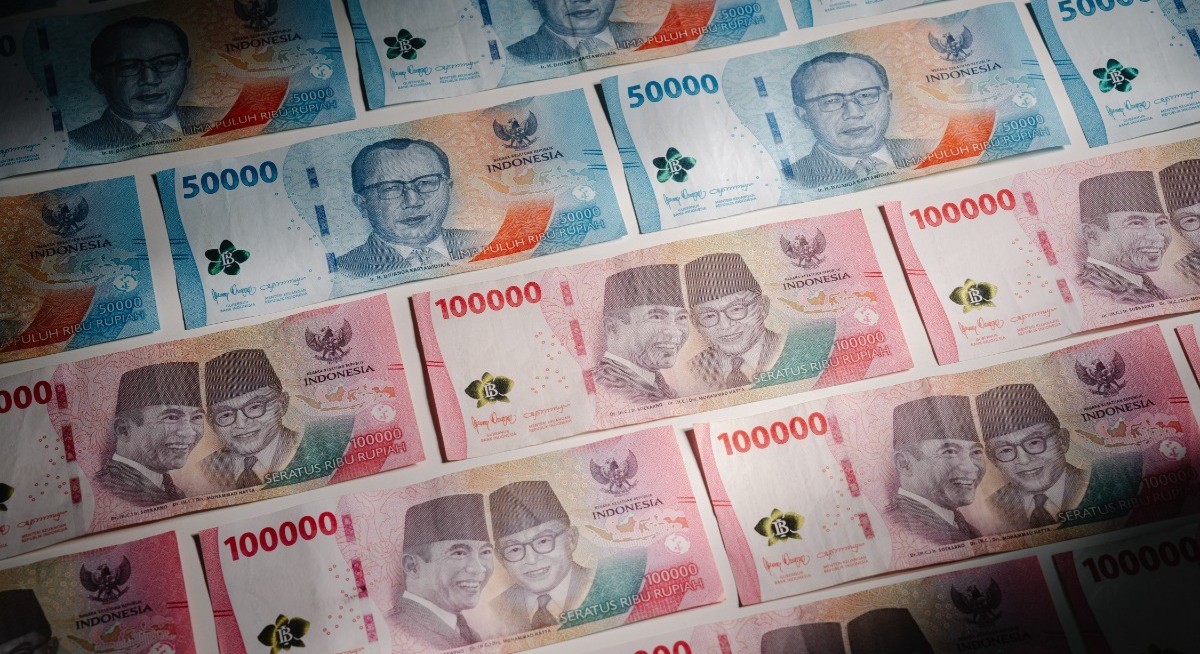


(April 23): The Indonesian rupiah declined by the most in seven months as rising oil prices hurt sentiment for the nation’s assets.
The currency dropped as much as 0.8% to 17,310 per dollar on Thursday, set for the largest single-day drop since September. The rupiah has fallen almost 2% in April to underperform emerging Asian currencies.
The benchmark stock index dropped more than 1%. 10-year bond yields rose nine basis points to 6.7%.
Sentiment on Indonesia has worsened this month as elevated oil prices pile pressure on the nation’s current-account and fiscal health. The cost of government subsidies for fuel and cooking gas are rising, adding to longstanding fiscal worries since President Prabowo Subianto took office and unveiled billions of dollars of spending plans.

“Increasing concern regarding Indonesia’s fiscal condition” is putting pressure on the rupiah, said Wee Khoon Chong, senior APAC market strategist at BNY in Hong Kong. There are also questions about “the effectiveness of Bank Indonesia’s intervention strategy amid strong dollar and heightened uncertainties in the macro environment.”
See also: Bessent says Gulf, Asian allies requested currency swap lines
BI governor Perry Warjiyo on Wednesday vowed to keep intensifying offshore and onshore intervention to support the rupiah, warning that escalating Middle East tensions are worsening the global outlook and narrowing the scope for monetary easing. The resulting flight to safety is pushing capital into havens, while higher US Treasury yields pressure emerging-market currencies, including the rupiah.
Uploaded by Evelyn Chan




