



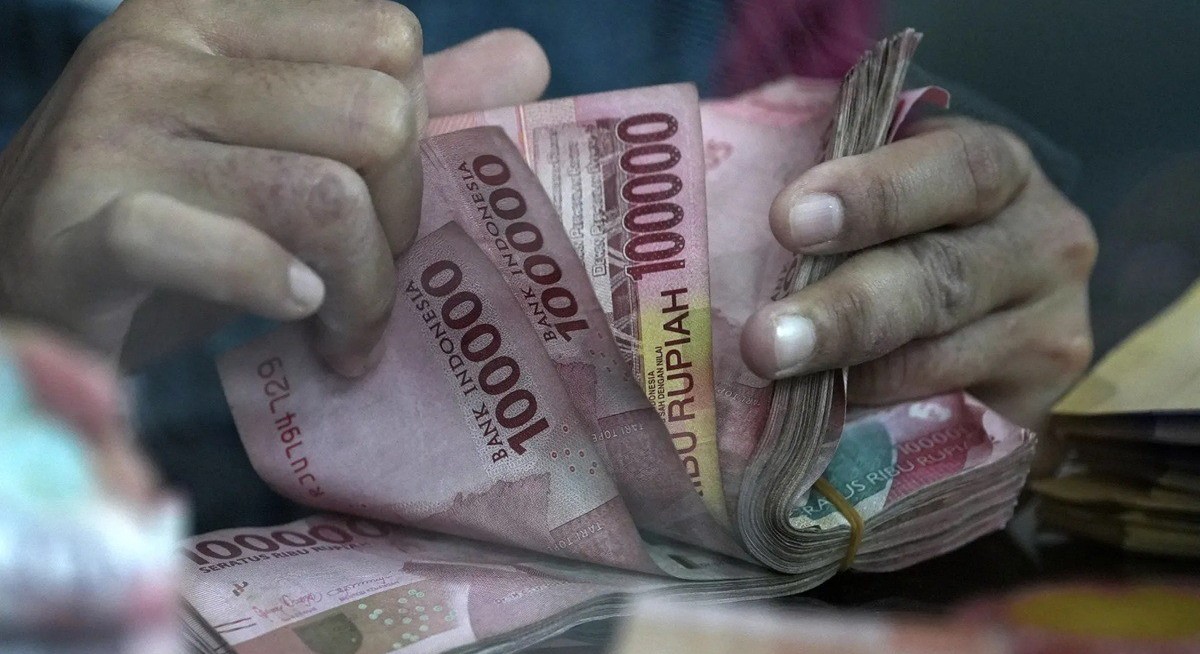


(March 9): Indonesia’s stocks and currency slid toward new bearish milestones as rising Middle East conflict dragged on regional assets, compounding concerns over the country’s investability and policy direction.
The currency fell as much as 0.6% to 17,015 against the dollar on Monday (March 9), weakening past the previous all-time low set in January and sliding past levels last seen during the Asian Financial Crisis. The Jakarta Composite Index tumbled more than 5%, putting the stock benchmark on track to enter a bear market.
The war is the latest blow to the nation’s assets as investors rush to safe havens, prompting market intervention by Indonesia’s central bank. Rising oil prices have added to inflation worries as the country is a net oil importer.
“Worsening risk sentiment amid surging oil prices has weighed on the Asian FX space, including the rupiah,” said Alan Lau, a foreign-exchange strategist at Malayan Banking Bhd. “Near term, the external story remains key as the risk of a further oil price climb could keep the market cautious of the currency.”

Sentiment was already weak after warnings from MSCI Inc and Moody’s Ratings hurt investor confidence. MSCI flagged a possible market downgrade over liquidity and low free‑float issues, while Moody’s cut Indonesia’s credit outlook on its fiscal trajectory and policy direction. Fitch Ratings Inc has since followed by lowering its outlook.
See also: Dollar rises on haven bid, oil as Iran War rips across markets
The rupiah has fallen 1.8% against the dollar this year, making it among the worst performers in Asia. The JCI is the worst performer among major indexes globally this year.
“As long as the tensions have yet to dissipate, pressures for stocks will remain,” said Christopher Andre Benas, head of research at PT BCA Sekuritas.
For investors with low risk tolerance, it is better to cut losses and hold cash until the situation improves, he added.
Uploaded by Arion Yeow




