



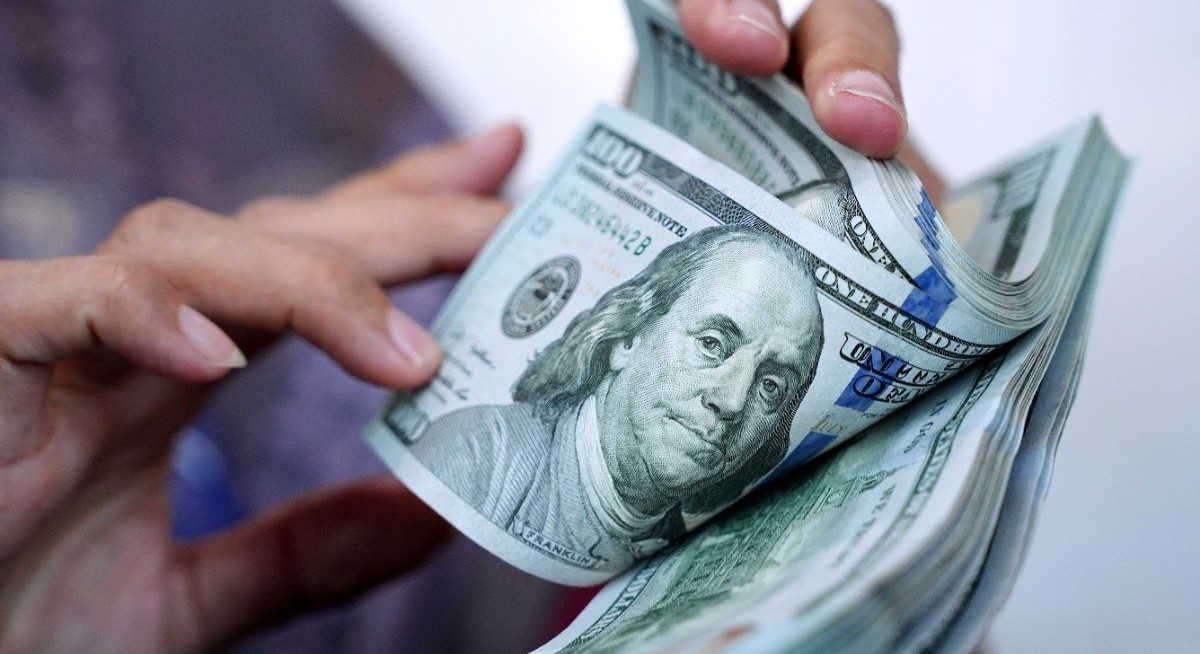



(July 2): Currency strategists at Credit Agricole, Morgan Stanley and TD Securities are among those bucking the consensus call for a stronger dollar.
The Bloomberg Dollar Spot Index surged 2% in June, its best month since the outbreak of the Iran war, and rose to start July. Expectations for high or even higher interest rates from the Federal Reserve have been a key driver for the rally, after new chairman Kevin Warsh stressed the central bank’s commitment to fighting inflation at his June 17 press conference.
The momentum behind the greenback’s move has been so strong that speculative traders’ bullish stance on the currency has become the most extreme in a year-and-a-half. That backdrop is leading a growing cohort of forecasters, which also includes Stephen Jen’s Eurizon SLJ Capital, to argue that investors have pretty much wrung all they can for now out of wagering on dollar gains.
“The dollar is looking overbought and overvalued,” said Valentin Marinov, head of G-10 currency research and strategy at Credit Agricole. “The Fed may not be as hawkish as expected by the US rates markets.”
A halt or easing in the greenback’s climb would have big implications for officials in countries including Japan, as it would lessen the risk of imported inflation. The yen set a 40-year low this week against the broadly advancing dollar, heightening the threat of intervention by Japanese authorities.

See also: Won slides towards weakest since 2009 as global funds sell stocks

The next test for Fed expectations comes on Thursday with the release of US employment figures. The data is projected to show the economy added around 115,000 jobs last month alongside rising wages, a solid enough reading to keep bets on Fed hikes intact.
Heading into the data, traders see the Fed raising borrowing costs by a quarter-point as soon as October, and are even hedging the risk of a move this month. It’s a stark turnaround from before the war erupted in late February, when traders still saw the Fed cutting rates in 2026.
See also: HSBC says ‘explosive’ dollar rally is among biggest pain trades
Surging oil prices and inflation expectations quashed those expectations, and combined with US economic resilience in recent months set the stage for the greenback’s advance.
That setup explains why much of Wall Street remains optimistic around the world’s primary reserve currency. JPMorgan Chase & Co, Bank of America Corp and Goldman Sachs Group Inc have argued for more dollar strength. HSBC Holdings Plc said a sharp dollar rise may emerge as one of the biggest “pain trades” in the year’s second half.
“Expect US interest-rate differentials to move further in the dollar’s favour as the US economy continues to outperform its peers,” said Samara Hammoud, a strategist at Commonwealth Bank of Australia. “We still expect the Federal Reserve to lift the funds rate by more than is priced by markets.”
Market-watchers point to another pillar of support, coming from the massive amount of investment in artificial intelligence infrastructure that’s buoyed earnings and drawn international funds to US stocks.
The sceptical crowd isn’t saying that narrative is about to crumble. They’re just of the view that it’s all mostly reflected in the US currency’s value already, at a time when the Fed is seen as likely to be on hold for months to come. Natixis is in that camp, as is Morgan Stanley, which said last week it was “reluctant to ‘chase’ the dollar higher.”
On Wednesday, Warsh said at a central banking forum in Portugal that price risks have come down in recent weeks, while repeating his determination to bring inflation back to the Fed’s 2% target.
“The swing in the market’s expectations of the Fed’s policy may be excessive: We don’t see the Fed hiking rates in this cycle,” Eurizon SLJ Capital’s Jen and colleague Joana Freire wrote this week. “A dovish repricing of the Fed could help temper the dollar appreciation.”
To stay ahead of Singapore and the region’s corporate and economic trends, click here for Latest Section
Of course, the other major consideration is the economic picture outside the US. Some strategists are hewing to the idea that, after months of turbulence in international affairs, which triggered haven buying of dollars, relative rate differentials are poised to favour the greenback’s peers.
For example, the European Central Bank hiked by a quarter-point last month and another move is seen as possible by December.
“As global growth stabilises, risk premia fade, and central banks narrow rate differentials versus a Fed on hold, dollar downside should re-emerge later this year,” TD strategists led by Jayati Bharadwaj wrote.
Uploaded by Evelyn Chan




