



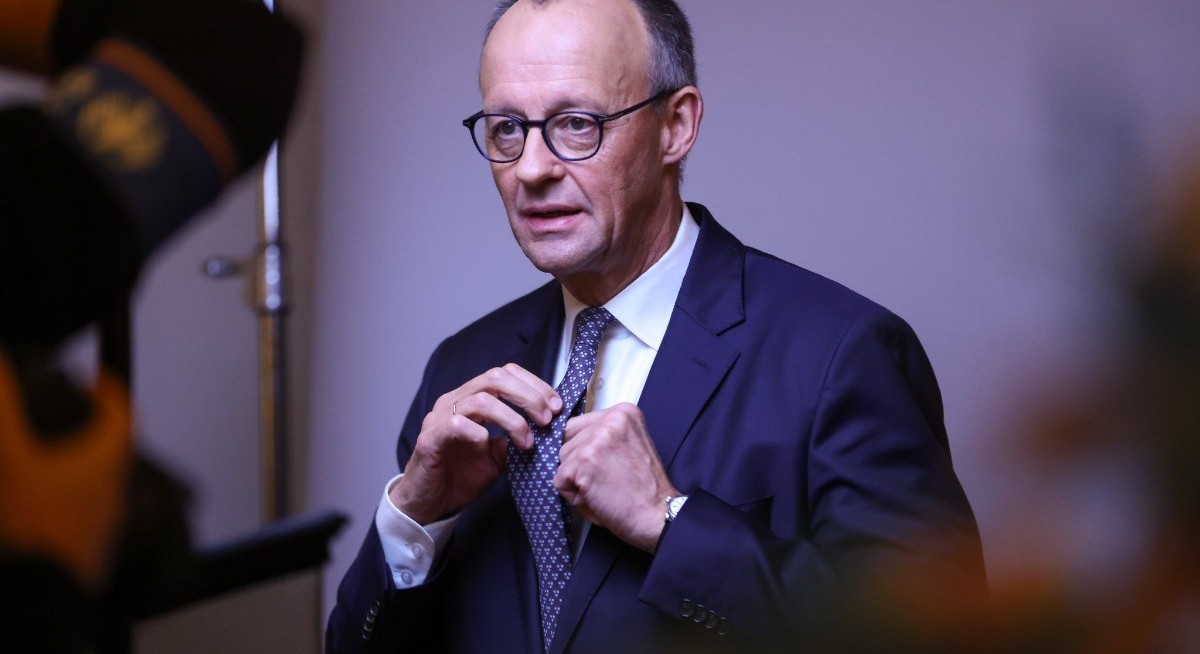


The German economy continues to perform poorly despite various reforms and the launch of a debt-financed infrastructure fund worth hundreds of billions of euros. Merz’s economic advisers trimmed their growth forecasts for this year to below 1% and the IMF has warned that Germany must pursue “bold” reforms if it wants to prosper. Merz’s conservative CDU-led bloc has pushed for a major pension reform, tax benefits for companies and cuts to the social sector — measures that the Social Democrats, the other party in the ruling coalition, largely oppose.
(Jan 6): German chancellor Friedrich Merz described “certain sectors” of his country’s economy as being in “very critical” condition in a letter to lawmakers, adding that reviving growth will be his government’s top priority this year.
While Merz didn’t specify which sectors he had in mind, Germany’s car industry has struggled with slumping sales in China and its troubles have spilled into the rest of the economy. “In 2026, we will therefore need to focus on making the right political and legal decisions to fundamentally improve the business environment,” Merz wrote in a letter seen by Bloomberg. He acknowledged that his government has not done enough in its first eight months in office to improve Germany’s economic competitiveness.




