
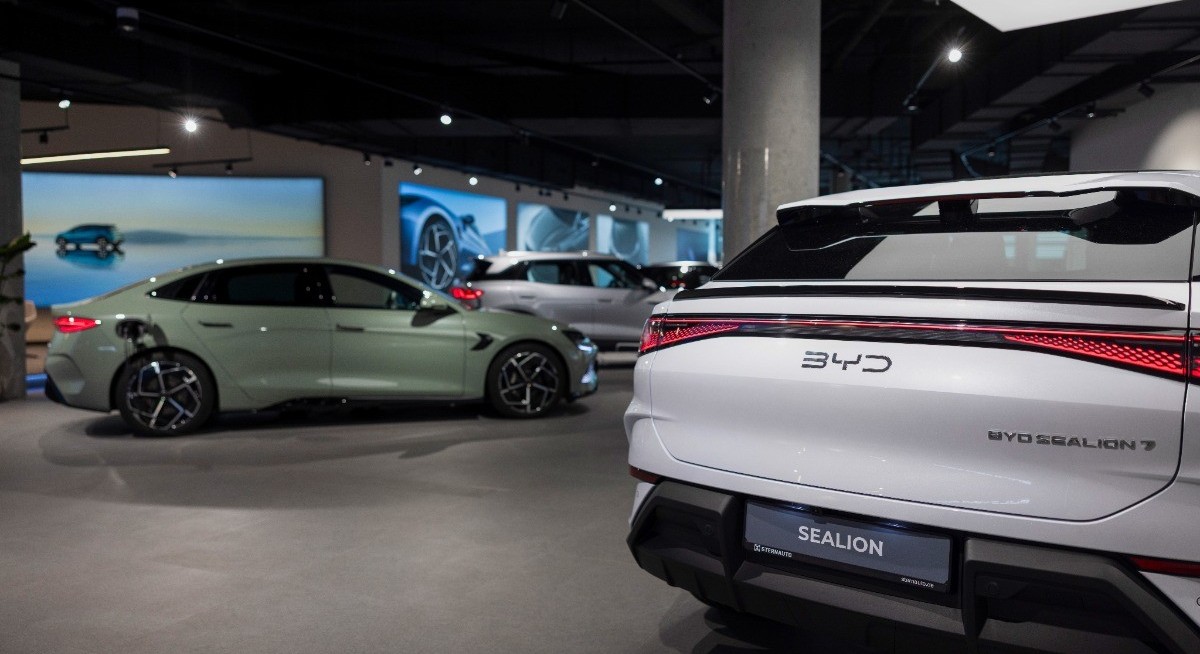
“I am convinced of the quality of European and German brands,” Environment Minister Carsten Schneider said at a press conference on Monday. “I cannot see any evidence of this postulated major influx of Chinese car manufacturers in Germany, either in the figures or on the roads — and that is why we are facing up to the competition and not imposing any restrictions.”
The decision is a boon for affordable Chinese brands, such as BYD Co, that are gaining ground in Europe. While Chinese automakers already face tariffs on EVs imported to the European Union (EU), they’re still able to sell cars profitably in the region, thanks to low manufacturing costs at home. Brussels is considering a minimum price system to replace import tariffs.
Germany’s green light for the Chinese contrasts with approaches taken elsewhere. In the UK, the biggest European market for Chinese-made EVs, grants introduced last year effectively exclude battery vehicles from China, mandating environmental standards including low carbon emissions from the battery and assembly process. France’s so-called social leasing programme includes similar stipulations.
Germany’s fresh round of funding, first outlined in October, is expected to support purchases of around 800,000 vehicles through 2029, according to the environment ministry. Subsidies will range from €1,500 to €6,000 depending on household income, family size and the vehicle type, and are aimed primarily at low- to middle-income buyers.
See also: BYD stakes growth on batteries, charging with China sales slowing
The programme is set to benefit manufacturers such as Volkswagen AG and Stellantis NV, which are adding more affordable electric models.
EV sales in Germany have fluctuated wildly, recovering last year after a slump in 2024 following the previous government’s decision to scrap subsidies. Germany has repeatedly missed official targets for EV adoption, though prospects are improving as cheaper models reach showrooms. These include Renault SA’s R5 E-Tech and VW’s compact ID. Polo, priced at around €25,000.
Chancellor Friedrich Merz’s ruling coalition has also extended a tax exemption for EVs through 2035, a move the finance ministry estimates will cost about €600 million in lost revenue through 2029. Merz has been a vocal advocate for easing the EU’s proposed phaseout of combustion engines.
Uploaded by Felyx Teoh


