



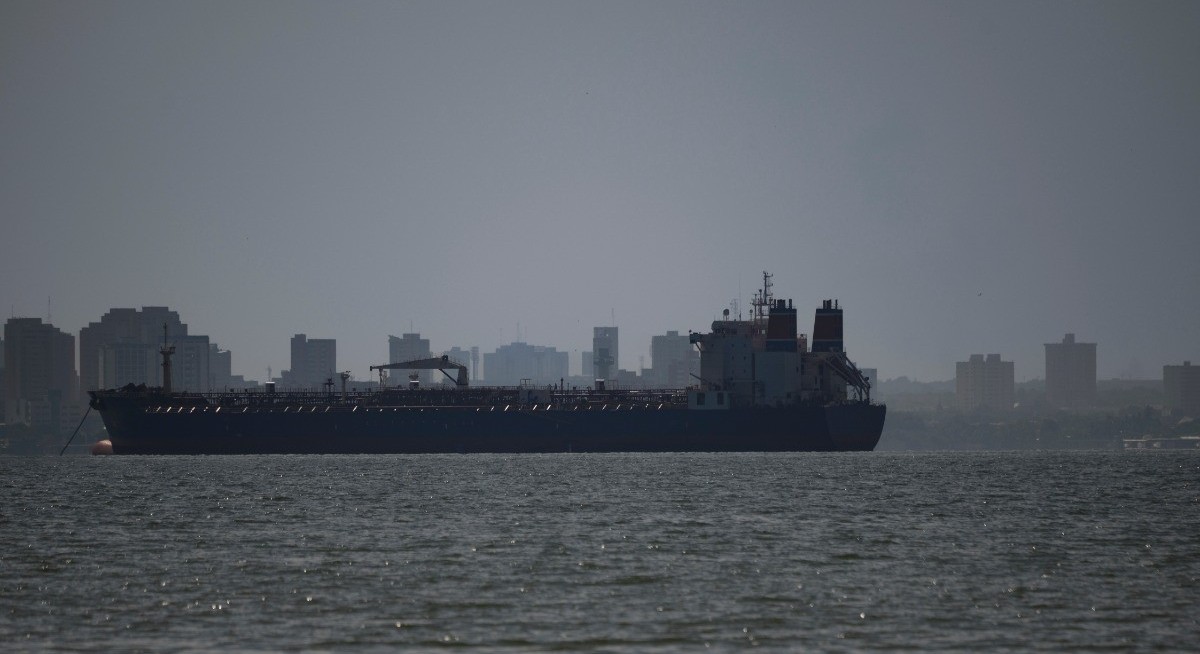



(May 23): Persian Gulf nations and Pakistan stepped up efforts to transform a fragile truce in the Iran war into a permanent peace deal, with US President Donald Trump again signalling that the conflict may end soon.
Field Marshal Asim Munir, Pakistan’s army chief and the favoured interlocutor between the US and Iran, visited Tehran on Friday for discussions on an accord with Iranian Foreign Minister Abbas Araghchi that lasted late into the night. Araghchi held separate talks with his counterparts in Oman, Türkiye, Qatar and Iraq, and United Nations secretary general António Guterres, the Iranian Foreign Ministry said.
The ceasefire was agreed six weeks ago, temporarily halting fighting that erupted when the US and Israel launched air strikes on Iran on Feb 28. Iran responded with missile and drone attacks on countries in the Persian Gulf and further afield. Thousands of people were killed, the bulk of them in Iran.
A lasting peace deal has remained elusive so far, keeping global energy markets on edge and oil prices elevated above US$100 ($128.04) a barrel. The United Arab Emirates has joined Qatar and Saudi Arabia in appealing to Trump to allow more time for negotiations, according to several people familiar with the matter.
Trump has veered between assurances that a peace accord was almost at hand and threats of new aerial assaults since the truce took effect. He told a rally in the state of New York on Friday the war will be over “soon” and “oil prices are going to tumble as soon as I finish up with Iran”, while Secretary of State Marco Rubio said there had been “slight progress” in negotiations.
“I don’t want to exaggerate it, but there’s been a little bit of movement, and that’s good,” Rubio told the media at a meeting of foreign ministers from members of the North Atlantic Treaty Organization or Nato in Sweden on Friday.
See also: US and Iran agree to halt war, restart Middle East oil shipments
Tasnim, Iran’s semi-official news agency, cited a source close to Tehran’s negotiating team as saying more progress had been made on some issues when compared to past talks, but that no agreement will be reached until all disputed matters are resolved.
“Trump has no choice but to accept the demands of the Iranian people and recognise Iran’s rights,” the semi-official Fars news agency cited Reza Talaei-Nik, a spokesman for Iran’s Defence Ministry, as saying. “Trump’s disregard for US national interests, his alignment with the Israeli regime, and his arrogant behaviour will lead to the US sinking deeper into the quagmire of war.”
Meanwhile, Axios and CBS News reported that Trump was preparing for a possible fresh round of strikes, although he hadn’t made a final decision.
See also: China escalates feud by banning Philippine defence chief
Any new attacks by the US or Israel would extend the war to “new regional fronts”, Tasnim cited an Iranian military source as saying.
Opposition to renewed hostilities has heightened among Americans upset about the sharp rise in gasoline prices as the conflict disrupts global energy markets. Those anxieties, reflected in several polls, have resonated on Capitol Hill, months before midterm elections that will determine control of Congress.
Earlier this week, the Republican-led Senate signalled mounting opposition to continuing the war with a procedural vote. On Thursday, the party’s leaders abruptly cancelled a vote on the conflict as GOP absences threatened an embarrassing defeat for the president.
The rights to control traffic through the Strait of Hormuz, a crucial passageway for global energy supplies that has remained largely shuttered since the war began, along with Iran’s nuclear programme, have been major obstacles to diplomacy.
The US has repeatedly stressed that it won’t allow Iran to develop nuclear weapons and wants Tehran to commit to ending enrichment of uranium for at least a decade. Iran has publicly rejected that demand, while insisting that it has no intention of building an atomic bomb.
“A deal remains more likely than escalation, though by a narrow margin,” Eurasia Group said in a note. “If a deal is reached this weekend, it would likely serve as an interim arrangement extending the ceasefire by 30 days and creating space for additional rounds of talks on outstanding issues, including Iran’s nuclear programme.”
Uploaded by Tham Yek Lee




