



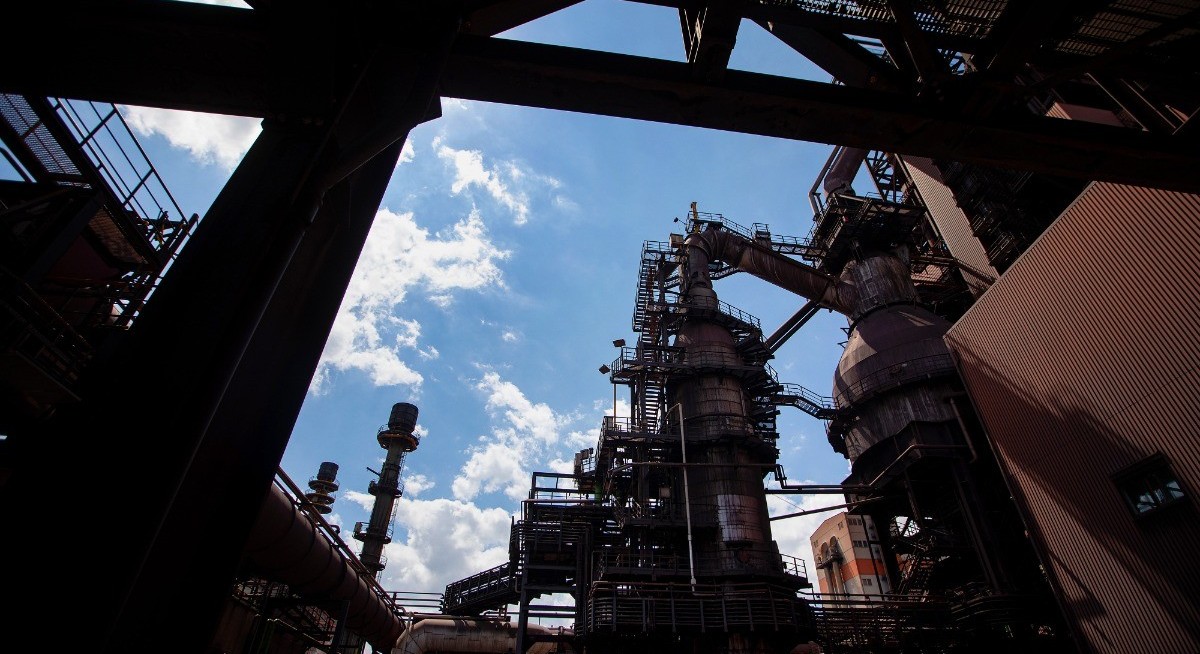


(March 9): German industrial production and factory orders both fell at the start of the year, tempering hopes for a swift recovery in the key manufacturing sector.
Output decreased 0.5% in January following a revised 1% decline the previous month, the statistics office said on Monday. Economists polled by Bloomberg had expected a 1% rise.
In a separate release, Destatis said demand plummeted 11.1% in January, after a major advance in December. That’s worse than anticipated by any economist in a Bloomberg survey.
The data follow last month’s surveys of purchasing managers, which revealed that Germany’s manufacturing sector is growing for the first time since 2022.

A rebound is seen as crucial for Europe’s largest economy to shake off years of stagnating or shrinking output. In 2025, it eked out expansion of just 0.2%, a pace Chancellor Friedrich Merz deemed “unsatisfactory”.
See also: Asia’s ultra-rich having second thoughts on Dubai as war rages
There’s widespread expectation that a major increase in defence and infrastructure spending will trigger a significant rebound over the course of the year. But risks from President Donald Trump’s trade jolts remain, while the war in Iran — and the accompanying surge in energy prices — are boosting uncertainty.
The Economy Ministry highlighted after strong fourth-quarter reading for the industrial sector, the retreat at the start of the year “doesn’t come as a surprise”.
It also warned that the situation could still get worse.
See also: US tells tariff refund judge it can’t comply with order
“Against the backdrop of current developments in the Middle East, which are not yet reflected in the indicators, and the significant rise in crude oil and gas prices on the world markets, the risk of a setback in the expected recovery of the industrial economy has increased significantly,” the Economy Ministry said in a statement.
Commerzbank chief economist Joerg Kraemer is similarly wary.

“Should the oil price remain above the US$100 mark for several months — contrary to expectations — the economic growth forecast for Germany could be almost halved,” he said.
The statistics office said that the drop in production was largely due to a retreat in fabricated metal products, while energy — supported by “exceptionally low temperatures” — had a positive effect.
Orders are now “back to normal” after a “very high volume” of large-scale demand in December, it said.
“These figures are a clear disappointment — because sentiment in the industrial sector had recently improved,” KfW chief economist Dirk Schumacher said. “The simultaneous slump in new orders suggests that the economic upswing has so far bypassed the industrial sector.”
Uploaded by Felyx Teoh




