



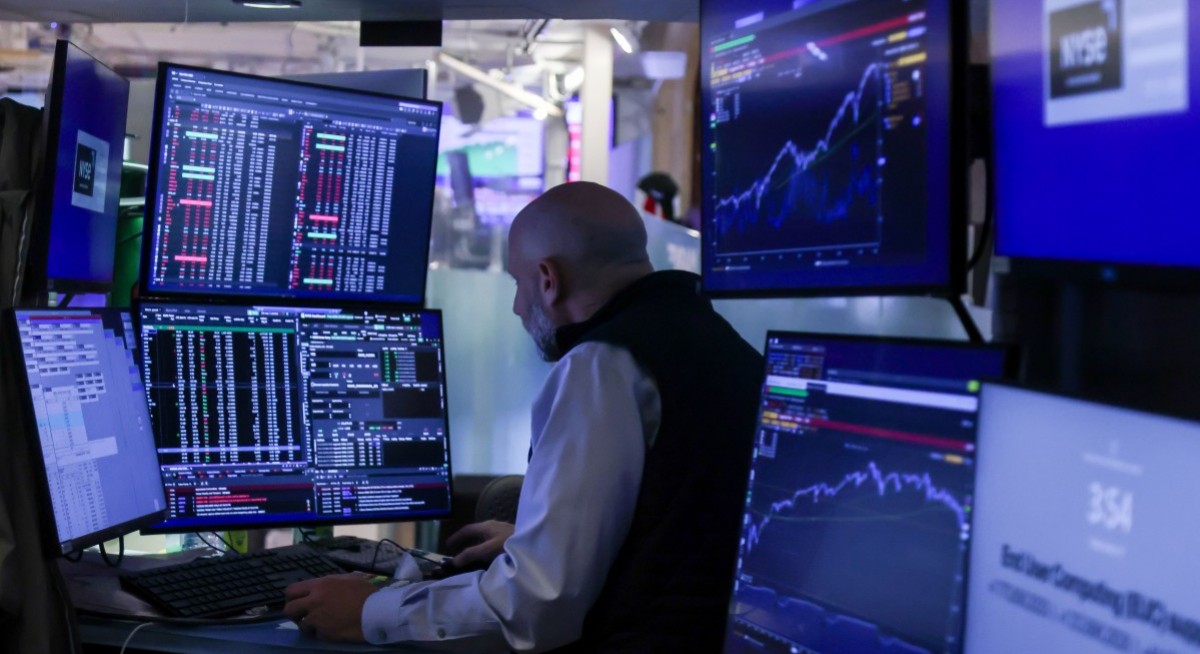


(April 21): A rally in oil drove stocks lower as a turbulent weekend in the Middle East cast doubt on prospects for peace talks between the US and Iran before their fragile ceasefire deal expires.
Equities fell from record highs, with the S&P 500 halting a five-day advance amid losses in several tech giants. President Donald Trump said it’s unlikely he would extend a truce with Tehran if an agreement isn’t reached before it ends, adding the Strait of Hormuz would remain blocked until an accord is finalised. Brent settled above US$95. Treasuries and the dollar wavered.
“I’m not going to be rushed into making a bad deal,” Trump said. In a phone interview, he added the truce expires “Wednesday evening Washington time”. The US president noted a delegation was on its way to Pakistan, even as Iran held back from saying whether it would take part in further talks.
Transits through Hormuz have reduced to a trickle as Iran tightens control in retaliation for strikes. On Friday, that paralysis appeared to be at an end, with Tehran saying it would reopen the waterway, before reversing course as the US maintained a naval blockade and attacked an Iranian ship.
“Well, that didn’t last long, did it? The much-talked-about ‘reopening’ of the Strait of Hormuz barely made it through a day before Friday’s tensions came straight back into play,” said Fawad Razaqzada at Forex.com. “Still, there’s a sense that both sides might be posturing — talking tough with the deadline looming to strengthen their negotiating hands.”
Oil prices could rise to US$110 per barrel if traffic in the Strait of Hormuz remains disrupted for another month, according to Citigroup Inc analysts.
See also: US stocks advance on Trump truce extension and earnings
They predict a preliminary agreement between Iran and the US will be signed or the ceasefire will be extended, and that could turn into a more comprehensive deal. “That said, we remain prepared to pivot towards a more protracted disruption scenario should negotiations falter,” the analysts wrote.
While investors will keep their eyes on the situation in the Middle East, a relevant catalyst could come from Trump’s pick to lead the Federal Reserve, Kevin Warsh, who is scheduled to testify before the Senate Banking Committee at 10am Tuesday.
“I believe that monetary policy independence is earned — and better policy decisions crafted — by steering clear of distractions,” according to a copy of his prepared remarks viewed by Bloomberg. “I am committed to ensuring that the conduct of monetary policy remains strictly independent.”
See also: Getty Images downgraded on weaker liquidity, merger uncertainty
This week’s marquee economic report is also due Tuesday. Analysts project a jump in overall retail sales for March. Excluding gasoline and autos, the data could signal more tepid demand as high fuel costs prompted budget-constrained consumers to squeeze spending on other things.
Uploaded by Isabelle Francis




