



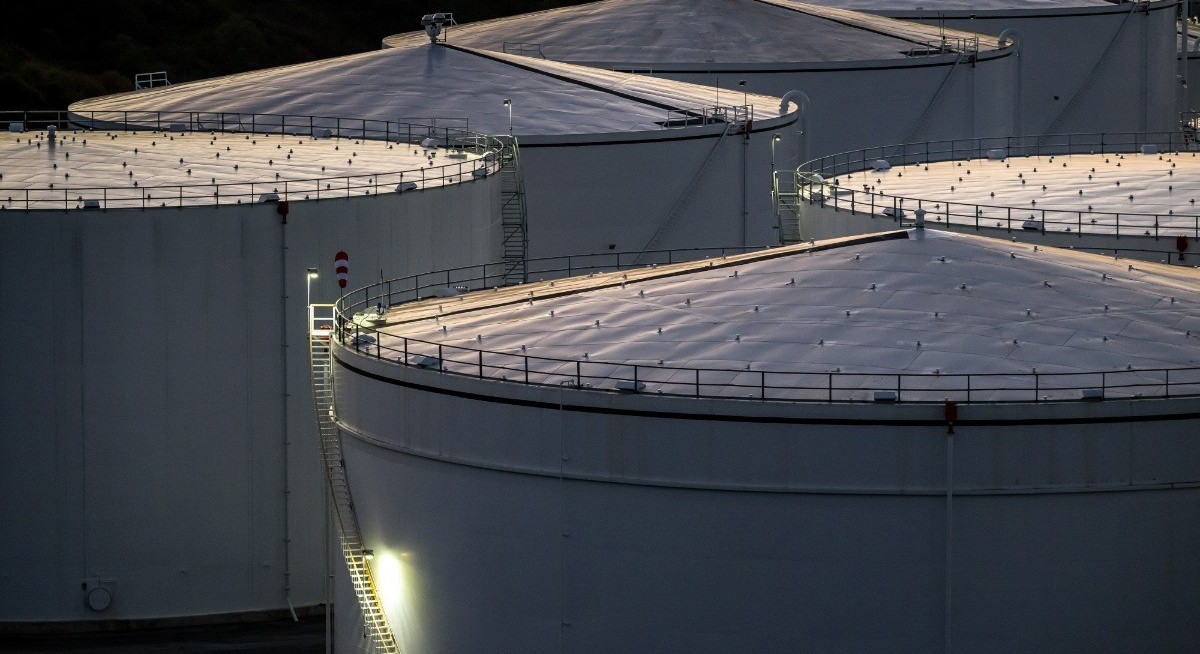


(March 9): The Group of Seven (G7) finance ministers are set to discuss a possible joint release of oil reserves on Monday, according to people familiar with the matter, as the Middle East war chokes flows from the region and sends prices soaring.
France — which currently holds the G7 presidency — initiated plans for the call, scheduled for around 1.30pm in Paris, said the people, who asked not to be identified discussing private deliberations. The French government said in a statement that the use of strategic reserves is being considered.
The Financial Times first reported the call and said the US supported the idea of jointly releasing oil reserves. The people familiar with the matter cautioned that no decision had been taken. The move would be co-ordinated with the Paris-based International Energy Agency (IEA), one person said.
Coordinated drawdowns of strategic stockpiles have been carried out only five times before, twice in response to Russia’s invasion of Ukraine in 2022. Prior to that, reserves were accessed following supply disruptions in Libya, Hurricane Katrina and during the first Gulf War.
Brent crude surged to almost US$120 a barrel on Monday, from around US$72 before the war, as the effective closure of the Strait of Hormuz largely trapped exports from Persian Gulf oil producers. Several major drillers, including the United Arab Emirates and Iraq, have already been forced to reduce output due to a lack of storage, while Saudi Arabia is racing to divert cargoes to the Red Sea.
News of the potential drawdown helped pare some of those price gains, and Brent eased back towards US$107 a barrel as of 9.45am CET.
See also: France says G7 not there yet on releasing oil stockpiles
Two of the people said that some European nations are concerned that the US will also push to loosen sanctions placed on Russian oil, just as Moscow’s economy is showing signs of severe strain.
The Trump administration has already provided a waiver to allow India to buy Russian oil held at sea, and indicated more sanctions could be lifted. The US hasn’t clearly signalled its intentions with European allies in recent days, the people added.
The FT cited one person as saying that some US officials believe a joint release in the range of 300 million to 400 million barrels — or around 25% to 30% of the 1.2 billion barrels in reserve — would be appropriate. All options are on the table, according to an IEA official who asked not to be identified.
See also: Asia races to contain energy crunch as oil drives past US$100
French President Emmanuel Macron, speaking to reporters on Monday, said that G7 leaders may also hold a call this week to discuss energy.
Refinery curbs
Consumers across the world are already feeling the impact of the disruptions in the Middle East, with long queues forming at filling stations and a surge in jet-fuel prices pushing up the cost of air tickets. Many Asian refineries reliant on Middle East oil have been forced to cut operating rates as they struggle to find alternative supplies.
As late as Friday, officials from the Trump administration and the Paris-based IEA were emphasising that no stockpile release was imminent. National economic director Kevin Hassett said there was no sign of this happening anytime soon, while IEA executive director Fatih Birol said a “huge surplus” in world oil markets rendered such a move unnecessary.
Uploaded by Felyx Teoh




