



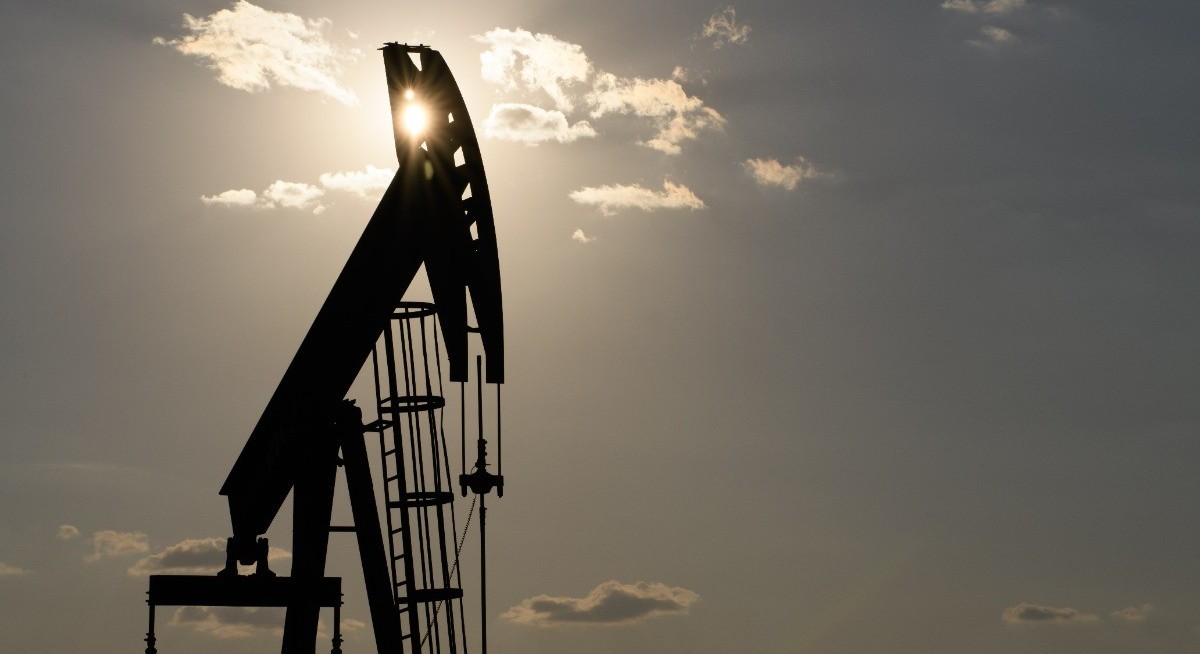



(May 28): Oil spiked after renewed attacks in the Persian Gulf and a fresh push by Washington to hurt Tehran with sanctions, as the US and Iran remained far apart on moves to reopen the Strait of Hormuz.
Brent climbed above US$97 a barrel, following a drop of more than 5% on Wednesday, while West Texas Intermediate was near US$92. American forces carried out airstrikes on a military site, and hit other targets near Hormuz, according to a US official. In response, the Islamic Revolutionary Guard Corps targeted the US base that launched the attack, Press TV reported.
Separately, Kuwaiti Air Defenses said they were responding to missile and drone threats, highlighting the fragility of the current ceasefire, with the conflict that’s gripped global financial markets now entering its fourth month.
The US Treasury sanctioned the Persian Gulf Strait Authority to prevent Tehran from profiting from vessels transiting the waterway by charging tolls, according to a statement. The entity “spearheads an Iranian-controlled scheme that flagrantly violates international law”, the Treasury said.
Crude is still on pace for a second weekly drop following optimism the warring parties will manage to conclude at least an interim deal, despite the challenges. Sticking points include the Islamic Republic’s nuclear program and Iran wanting to retain control over Hormuz, which remains subject to a double blockade by Tehran and Washington. The conflict has choked off energy flows, with millions of barrels of daily oil supply shut-in across the region.
“If the ceasefire is broken, the oil market faces resurging risks,” said June Goh, senior oil market analyst at Sparta Commodities SA, citing the possibility of further attacks against oil infrastructure after inventories had fallen.
See also: US gas buyers cancel cargoes as Iran war sends freight soaring
Iran President Masoud Pezeshkian and Pakistan Prime Minister Shehbaz Sharif discussed diplomatic efforts aimed at reducing tensions during a phone call late on May 27, according to a Telegram post. Islamabad has been the principal go-between for the US and Iran during the war.
Earlier on Wednesday, President Donald Trump said he was “not satisfied” with talks, as the White House denied an Iranian report on a draft agreement that said Tehran and Oman would oversee Hormuz. “The strait’s going to be open to everybody,” Trump said, adding the US will “watch over it.”
Adding to challenges, Trump said at a White House meeting he wouldn’t agree to a bad deal and insisted the US would not ease sanctions, at odds with Tehran’s demand for an end to attacks and financial relief. The president also faces pressure from Republican hardliners to continue the war.
See also: Japan set to secure more oil imports in May after April slump
While markets are pricing in the prospect of a deal “through a strong glass-half-full mindset”, the scope for the parties walking away from the negotiating table “remains a clear risk”, said Chris Weston, head of research at Pepperstone Group Ltd in Melbourne.
Prices:
- Brent for July settlement rose 3.1% to US$97.19 at 1.44pm in Singapore.
- WTI for July delivery gained 3.4% to US$91.65 a barrel.
In the US, an industry group flagged another drawdown in oil stockpiles. The American Petroleum Institute reported that nationwide crude holdings fell 2.8 million barrels last week, including a decline at the hub in Cushing, Oklahoma. Official data are due later Thursday.
“The oil market is very complacent right now,” said Joe DeLaura, global energy strategist at Rabobank, noting that releases from strategic petroleum reserves, as well as sharply lower imports by China, were helping to cushion part of the loss of supply caused by the war.
“By mid-July — if China starts importing again when the SPR releases end — we are in the hockey-stick-upward inflection point for so many refined products,” he said, describing a potential spike in prices.
The failure to forge a deal to end the conflict is threatening to prolong the disruption to oil supplies, which has caused a steep jump in bond yields since late February by rekindling inflation. Central banks including the Federal Reserve are expected to eventually raise interest rates in response.
Uploaded by Chng Shear Lane




