



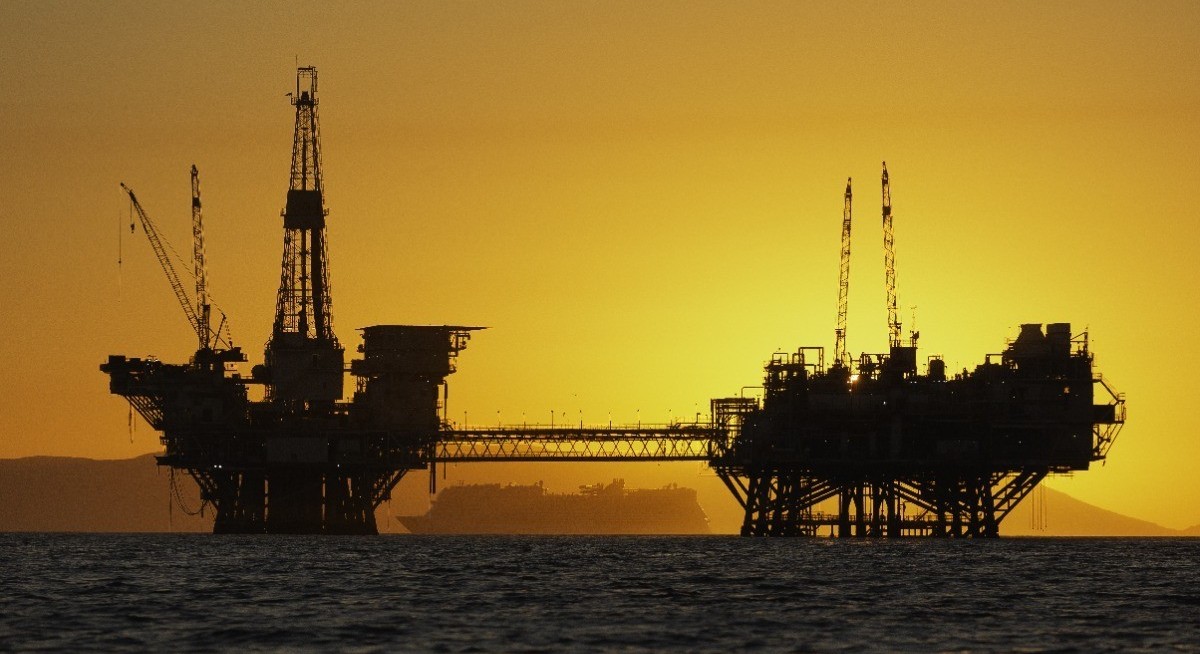


But news reports on that broader approach drew swift condemnation from environmentalists and provoked alarm among some Republican stakeholders in the Southeast due to fears it could impact tourism. Concerns about Atlantic oil and gas drilling helped sink an earlier plan by US President Donald Trump to open up the region during his first term.
Testing heading 5 is here
The Interior Department’s draft proposed programme, as it is known, could still be further refined as officials hone a version for public release, the people said. The proposal could be formally advanced in coming weeks, marking the opening step in a long process towards developing a new five-year schedule for selling offshore oil and gas leases.
The offshore leasing programmes, mandated by federal law, are typically whittled down during a long formal process subjecting them to public comment and congressional scrutiny — so even an expansive initial approach would likely be scaled back before it is finalised.
See also: Boeing on track to generate billions in cash next year
While further changes are possible before public release, for now administration officials are still preparing to include potential sales of leases in the Gulf of Mexico, which President Donald Trump renamed the Gulf of America, and in waters near the US West Coast and Alaska.
The Interior Department said it wouldn’t comment on a leaked draft and deliberative information. A White House official said the administration wouldn’t discuss ongoing policy discussions and said that Trump had delivered on promises to unleash American energy by rolling back Biden’s regulations.
The draft blueprint for Atlantic oil and gas drilling in Trump’s first term drew fierce opposition from nearly 150 East Coast municipalities and coastal state leaders, including Republicans in Florida and South Carolina.
See also: Eurozone inflation near 2% to seal deal on ECB rate hold
Environmentalists have argued there is no room in a warming world to expand oil and gas production. Drilling operations, they say, could imperil marine habitats and the animals that depend on them.
The oil industry, meanwhile, has generally pushed for more opportunities to drill, and has encouraged efforts to expand leasing in the Gulf. Oil companies, however, have shown limited appetite to explore some new US waters far beyond the Gulf, given uncertain prospects and public opposition.
Uploaded by Tham Yek Lee




