



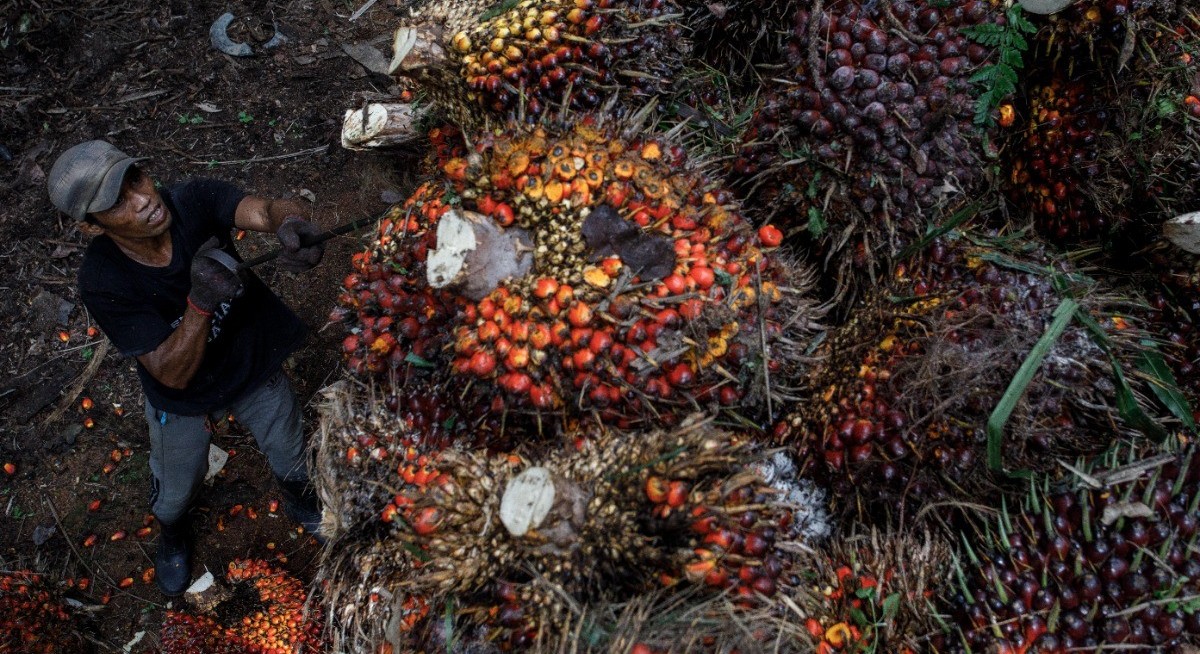


(Feb 27): Palm oil output in Sabah is set for a sharp decline this month as heavy rainfall and floods hammer plantations in one of Malaysia’s key producing states, potentially easing a glut that’s weighed on prices for the crop.
Production in February could fall by 15% to 17% from a month earlier, said Prakash Arumugam, the chairman of the Malaysian Palm Oil Association’s Sabah branch. Prolonged rain over the past four weeks has triggered frequent flooding across estates, especially in low-lying areas.
“It’s just like a yo-yo,” Prakash said in an interview. “It rains for a few days and it floods, then the water recedes. Then again it rains and floods,” he added. The high water has submerged younger palms, damaged roads and disrupted harvesting and the transportation of palm fruit.
Malaysia is the world’s second-largest palm oil grower. Sabah and Sarawak — both located on the island of Borneo — are the country’s top two producing states, each accounting for about 22% of national output. More than 5,800 people had been evacuated as a result of the flooding in Sabah as of Friday noon local time, according to state news agency Bernama.

Even before the floods, Malaysian production was expected to drop this month as a result of seasonal lows and shorter working days due to holidays. The palm oil association, which represents growers nationwide, estimated earlier this week that national output fell 12% in the first 20 days of February from a month earlier.
See also: Palm oil extends advance as crude’s rally boosts appeal of biofuels
This decline was led by double-digit percentage drops in both Sabah and Sarawak, the association said. A steeper decline than expected would cut into Malaysia’s bulging stockpiles and lend support to benchmark palm oil futures in Kuala Lumpur, which have come under pressure on the back of a stronger ringgit and plentiful supplies. Prices are headed for a decline of nearly 5% this month, which would be the biggest since last April.
In the past two weeks, large swathes of Sabah have received rainfall up to 150 millimetres above normal, according to data from the US Climate Prediction Center. Much of Sarawak has seen precipitation up to 100 millimetres above average. A key driver is the position over the region of the Madden-Julian Oscillation — a wave of disturbed weather that enhances rainfall to some areas while suppressing it in others.
Plantations in several areas of Sabah are inundated with water, preventing workers from harvesting fruit, Prakash said. Fruit bunches from young palms have been “totally submerged” while harvesting for taller trees can resume only after the floodwaters have receded fully, he said.
See also: Palm oil futures fall more than 4% at the open in Malaysia
Over the next two weeks, rainfall is set to ease, according to a forecast from the US centre. Though some areas may see slightly above-normal precipitation in the early part of next week, the weather will become drier in the week through March 10.
Uploaded by Tham Yek Lee




