



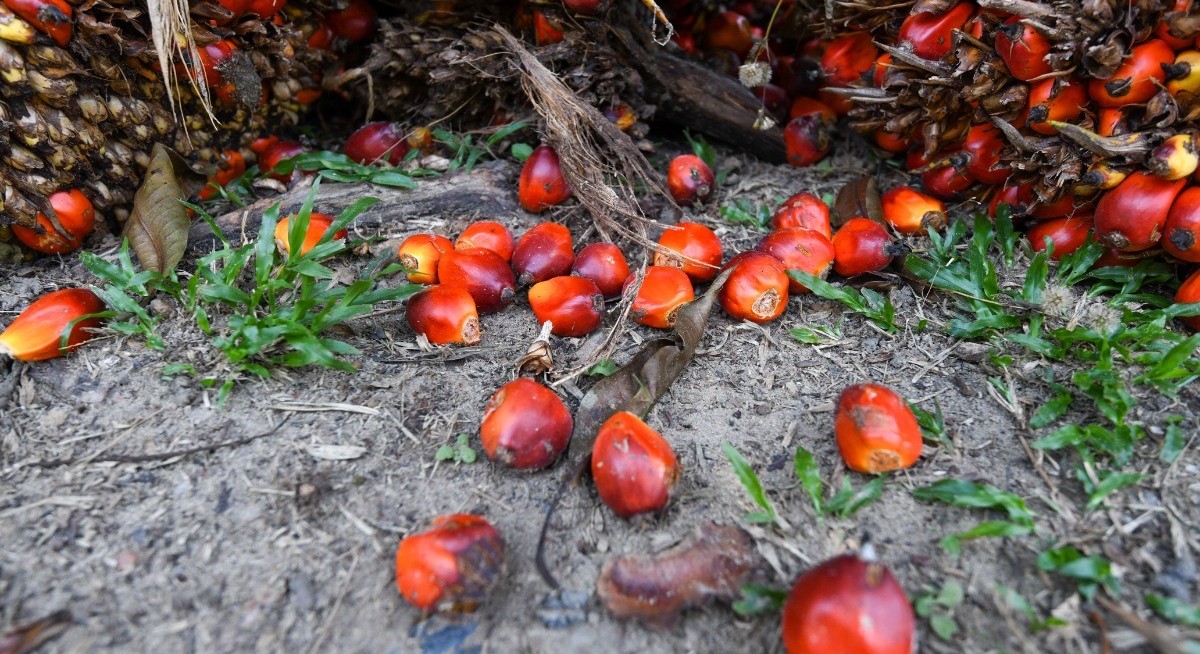



(June 12): Palm oil buyers are continuing to lock in Indonesian supplies for the coming months, betting that an official transition period will keep trade flows going as they seek clarity over the country’s new one-gate export policy.
Indonesia unexpectedly moved to centralise key commodity shipments in late May, but has allowed some exporters to keep operating as normal during an initial phase that began recently and will be reviewed after three months. Against that backdrop, there has been little disruption in the flows of palm oil so far, according to buyers and traders who requested anonymity in discussing private transactions.
Indian customers are focused on deliveries in the coming months, while Chinese buyers have started booking cargoes for as far out as December, they said.
“Today it’s still business as usual and it’s still flowing,” said Mohd Haris Mohd Arshad, the president and group chief executive officer of plantation firm SD Guthrie Bhd, which exports as much as 700,000 tons of palm oil and processed palm products a year from its unit in Indonesia. “People are taking it one day at a time, and see what’s going to happen,” he told reporters in Kuala Lumpur this week.
The purchases come as uncertainty hangs over Indonesia’s commodity shipments, including palm oil, of which the country is the world’s biggest producer. With the vegetable oil market already anticipating tightness due to poor weather from a potential super El Niño and Jakarta’s push to roll out a higher biofuel mandate from next month, any further supply disruptions would reverberate through food, biofuel and consumer-goods markets from Asia to Europe and Africa.
President Prabowo Subianto shocked markets late last month with the plan to take control of key commodity exports through a state-backed entity as part of a broader effort to plug revenue leaks.
See also: Indonesia asks police to probe hundreds of firms on palm oil prices
Since then, officials have been exploring carve-outs that could allow some traders and producers to sidestep all or part of the rules in exchange for investments in the country and joint ventures with a newly established state body, known as Danantara Sumberdaya Indonesia (DSI). A senior official at its parent, Danantara, said this week DSI would focus on monitoring prices rather than intervening in trade.
It’s against this ever-shifting backdrop that palm producers and buyers alike are scrambling for answers on issues ranging from contract negotiations and pricing to payment mechanisms and the role DSI will play in commercial transactions.
In the meantime, customers have been taking advantage of lower prices following Jakarta’s policy overhaul, with Chinese buyers scooping up unusually large volumes of palm olein, a refined product used for cooking, Bloomberg News reported last week.
See also: Malaysian palm oil exports to face pressure from Indonesian push
Before export revamp
Importers may also find it difficult to source alternatives as Indonesia commands a dominant position in the global market, buyers and traders said. The Southeast Asian country supplies roughly 25 million tons of the tropical oil to global markets with India, China and Pakistan among its main customers.
“Looks like it’s a wait-and-watch situation until some clarity emerges,” said Gnanasekar Thiagarajan, the head of trading and hedging strategies at Kaleesuwari Intercontinental.
Still, if the government’s policy review in three months fails to clear up doubts over the new export regime, buyers are more likely to look beyond Indonesia.
Indian customers are already looking to widen their supply base, according to Mayur Toshniwal, the president and head of trading of Emami Agrotech Ltd, an Indian vegetable oil importer and processor. Buyers have purchased more than 100,000 tons of palm oil from Latin America since October, from countries including Colombia, Ecuador, Costa Rica, and Honduras, he said.
Uploaded by Tham Yek Lee




