



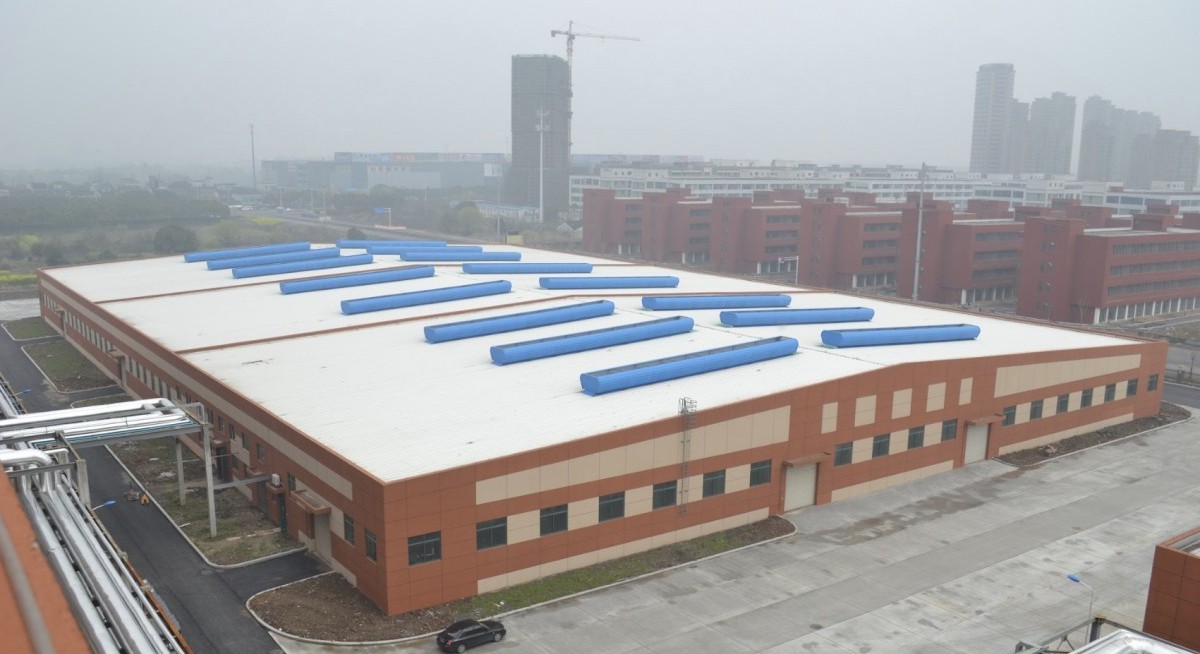



Properties on shorter lease tenures can be divested to end-users and owner-occupiers. In a recent transaction, a construction company acquired an industrial property in Tuas with 12 years of land tenure. The rationale, says a spokesperson, is that the outlay is lower than the rents over the 12 years.
The way to overcome the freehold-versus-leasehold conundrum is probably through asset size and quality. All the issues with S-REITs, whether it’s internally versus externally managed, issues with leases, forex and freehold versus leasehold, are to have an S-REIT that is large enough with a mix of different assets to withstand divesting some assets, and adding others. CapitaLand Ascendas REIT has $17.7 billion in assets as of Sept 30, with the Singapore core at 67% and the remaining assets spread across Australia, the EU, the UK, and the US. This gives CLAR around 33% of freehold assets.
The average land tenure of its Singapore portfolio is 40 years, so it’s not going to fall over a cliff. As William Tay, CEO of CLAR’s manager, notes, this is longer than JTC land tenures, which range from 20 to 30 years. Recently, the government added three more years for construction. The 40-year weighted average land tenure should give investors comfort, Tay adds.




