





(March 27): Ukraine risks running out of money to pay for its defence against Russia within two months as a multitude of factors converge to threaten tens of billions of euros in assistance from the country’s key donors.
Kyiv currently has only enough funds to cover spending until June, according to estimates shared by both domestic and foreign officials, who spoke on condition of anonymity to discuss sensitive information. Support from western allies has been crucial in keeping Ukraine in the fight during more than four years of Russia’s full-scale invasion.
A series of recent setbacks from Hungary’s veto of a EUR90 billion (US$104 billion or $133.41 billion) European Union (EU) loan to a spat over the International Monetary Fund’s (IMF) latest aid package and a faltering Nato weapons initiative have significantly reduced Ukraine’s room for manoeuvre.
Ukraine’s central bank governor Andriy Pyshnyi told Bloomberg in an interview earlier this month that, unless international funds arrive, his institution may have to resume direct lending to the Finance Ministry in the worst-case scenario. That money would pay salaries for troops and workers and fund essential services.
The challenge to finance Ukraine’s defence comes as Russia is increasingly reaping a budget windfall from the surge in global oil prices sparked by the war in Iran. That conflict is also consuming US military resources and the attention of US President Donald Trump, sidelining diplomatic efforts to reach a peace deal in Ukraine.
The US has all but ended direct assistance to Ukraine since Trump returned to the White House in January last year, leaving Europe to pick up the tab by paying for weapons and financial support to the government in Kyiv.
See also: Russia puts first internet satellites into orbit as SpaceX rival
The fresh infusion of EU funding was due to start as early as next month after the bloc’s leaders agreed in December to provide loans for this year and 2027.
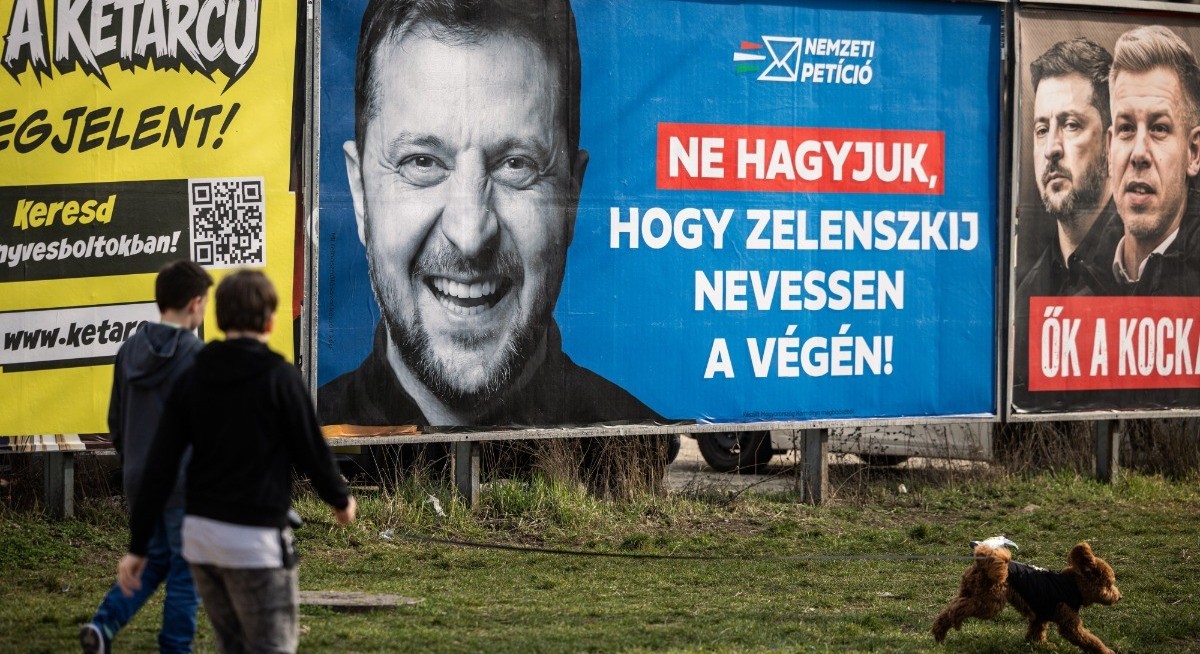
But that timetable was thrown into turmoil after Hungarian Prime Minister Viktor Orban said he’d block the release of loans until Ukraine resumed transit of Russian oil across its territory through the Druzhba pipeline, which was damaged in a strike by Moscow’s forces.
The Finance Ministry in Kyiv didn’t respond to a request for comments. On Wednesday, Finance Minister Serhiy Marchenko said on Facebook that he expects disbursements from the EU “in the near term”.
See also: Russia’s central bank sues EU over frozen state assets
The fate of the loan is likely to remain in limbo at least until after Hungary’s April 12 general election. Orban, the EU’s most Kremlin-friendly leader, is facing the most serious challenge to his 16 years in power as his Fidesz party trails far behind its main challenger.
Ukrainian President Volodymyr Zelenskiy has dismissed the Hungarian tactics as blackmail.
In a post on Telegram on Thursday, the president said his country was hoping “for an alternative that would allow Ukraine to access these funds” or else the “army will face underfunding”. He warned that the lack of funding would affect production of various types of drones and the purchase of air defence systems, which are both key for sustaining the war effort.
European Commission President Ursula von der Leyen has reassured Kyiv that the EU will deliver on the loan to Ukraine “one way or another”.
There’s no sign of that so far.
Orban has staked his entire reelection campaign on Ukraine-bashing. Even if he’s ousted as Hungarian leader, his Slovak counterpart, Prime Minister Robert Fico has warned that he would uphold the veto.
The deadlock is likely to complicate talks over EUR30 billion in additional funding for Ukraine that the EU was hoping to secure from other countries, including from the Group of Seven economies, when finance ministers gather in Washington in April for the IMF meetings.
To stay ahead of Singapore and the region’s corporate and economic trends, click here for Latest Section
Kyiv is also struggling to fulfill commitments under the IMF’s latest US$8.1 billion loan programme approved last month, amid an escalating political stand-off between Zelenskiy and Ukraine’s Parliament. Lawmakers have yet to pass amendments to tax legislation sought by the IMF that would pave the way for further disbursements after US$1.5 billion was paid out under the four-year programme.
While they have until the next scheduled review in June to make the reforms, the clock is ticking. The fund’s staff, led by mission chief Gavin Gray, met with Ukrainian lawmakers earlier this month to assess Parliament’s ability to approve the changes, people earlier told Bloomberg.
Compounding Ukraine’s growing predicament is the reluctance of some Nato allies to contribute fresh financing for the programme to purchase US weapons, known as PURL. The Ukrainian ambassador to Nato, Alyona Getmanchuk, told Bloomberg that only a small handful of countries are paying for the bulk of the equipment and it’s becoming difficult to approach them over and over for help.
Kyiv has estimated that it needs US$15 billion for purchases of US weapons this year.
Overall, Ukraine needs US$52 billion in foreign assistance in 2026, according to estimates by its financial authorities.
If the current funding crunch persists, Ukraine may face “a financial tragedy” as soon as April, Danylo Hetmantsev, the head of the parliamentary finance committee, said in an interview with Forbes Ukraine last month.
Uploaded by Tham Yek Lee




