



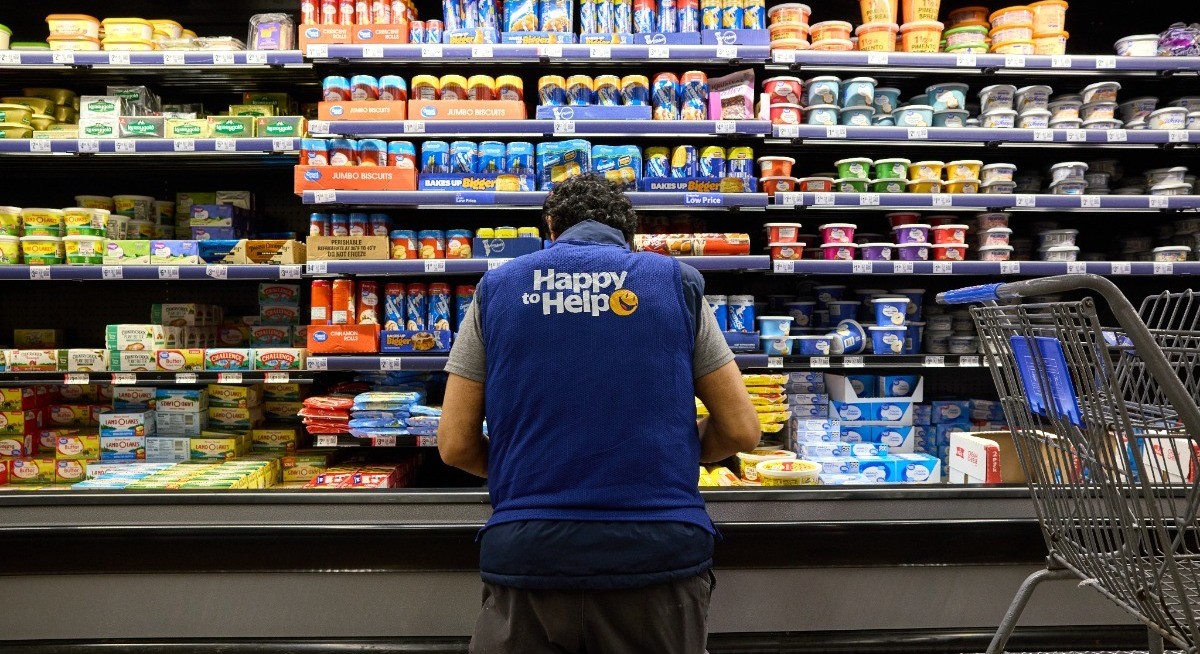


(Feb 19): Walmart Inc issued a forecast for full-year earnings that missed higher expectations, flagging the unpredictable state of trade and labour market conditions.
The company said it expects adjusted earnings to rise to between US$2.75 and US$2.85 per share this fiscal year. Analysts on average were expecting profit to jump to US$2.97 per share.
The outlook highlights the pressure Walmart is facing to sustain growth under its new chief executive officer, John Furner. Strong results recently catapulted the market capitalisation of the world’s largest retailer past US$1 trillion, but the company is running up against fierce competition, uneven consumer sentiment and a lofty bar from investors.
“We think it’s prudent to be somewhat measured with the outlook right now as we have been,” chief financial officer John David Rainey said in an interview with Bloomberg News on Thursday.
Walmart’s shares fell 3.4% at 7.31am in premarket trading in New York. The stock has gained 14% this year through Wednesday, outpacing the S&P 500 Index.
Walmart typically offers conservative guidance at the start of the year before raising numbers in future quarters.
See also: SoftBank seeks record loan of up to US$40 bil for OpenAI stake — Bloomberg
“There’s a whole lot of the year to go in what’s still a pretty fluid, dynamic macro backdrop,” Rainey said, citing slow hiring, trade uncertainty and other factors. The company outperformed its outlook in recent years, he added.

Walmart is often viewed as a barometer for the broader consumer economy due to its massive size and wide reach. Consumers’ spending habits have remained consistent, though the spending gap between the highest-income and the lowest-income cohorts persisted during the latest quarter, Rainey said. Prices rose slightly over 1% in the US in recent months, with grocery prices rising at a lower rate.
See also: StanChart unveils US$1.5 bil share buyback as profit misses
“As we look into the coming quarter as well as the coming year, it feels a little bit more like a normalised pricing environment,” Rainey said. Tariff-driven inflation has reached its peak or is reaching it, he added.
The Bentonville, Arkansas-based company has gained market share as shoppers prioritise necessities such as groceries, which make up about 60% of its US sales. Known for low prices, Walmart is appealing to wealthier households with faster delivery services and a growing selection of online merchandise that includes everything from pre-owned Prada bags to Fender guitars. Its advertising and membership businesses have helped fuel profit growth.
Walmart’s comparable sales in the US and adjusted earnings for the fourth quarter beat expectations. E-commerce was among the growth engines, rising more than 20% during the period. Fashion, home decor and cooking items are selling well online, Rainey said.
The company’s performance during the all-important holiday season came in as expected, he added, though shopping happened during a more “compressed” period with consumers making purchases in the week before Christmas. Going forward, Walmart is monitoring how the upcoming tax-refund season will affect consumer demand.
Walmart has been working to incorporate AI across various areas of its operations, including shopping. While it’s still early, Walmart is seeing an increase in spend from customers who interact with the company’s AI shopping assistant, he said.
The company will continue to invest in technology, supply-chain automation and store remodels going forward, Rainey said.
Furner took over as the top boss on Feb 1, taking the reins from Doug McMillon, who was widely viewed as the company’s most influential leader since its founder. Furner faces the daunting task of coming in at a high point and ushering the company into a new era of artificial intelligence. He recently appointed new heads for Walmart’s three main divisions.
To stay ahead of Singapore and the region’s corporate and economic trends, click here for Latest Section
Economic data in the US has been mixed, with retail sales stalling in December and severe winter weather in January disrupting foot traffic in some regions. US payrolls rose in January, suggesting some stabilisation following a weak 2025. Inflation has slowed, but higher costs across the economy continue to sting.
President Donald Trump’s expansive, on-off tariffs disrupted operations across many industries, with Walmart and other retailers striking a note of caution about rising costs and price increases. Walmart has largely managed to blunt the impact of tariffs, thanks to its vast supply chain and scale, but has warned of rising pressure.
Competitors Target Corp, Costco Wholesale Corp and others are set to report quarterly earnings in the coming weeks. Many consumer-facing companies have struck a cautious tone, with food manufacturers pointing to shakier demand and unease over prices.
Uploaded by Evelyn Chan




