



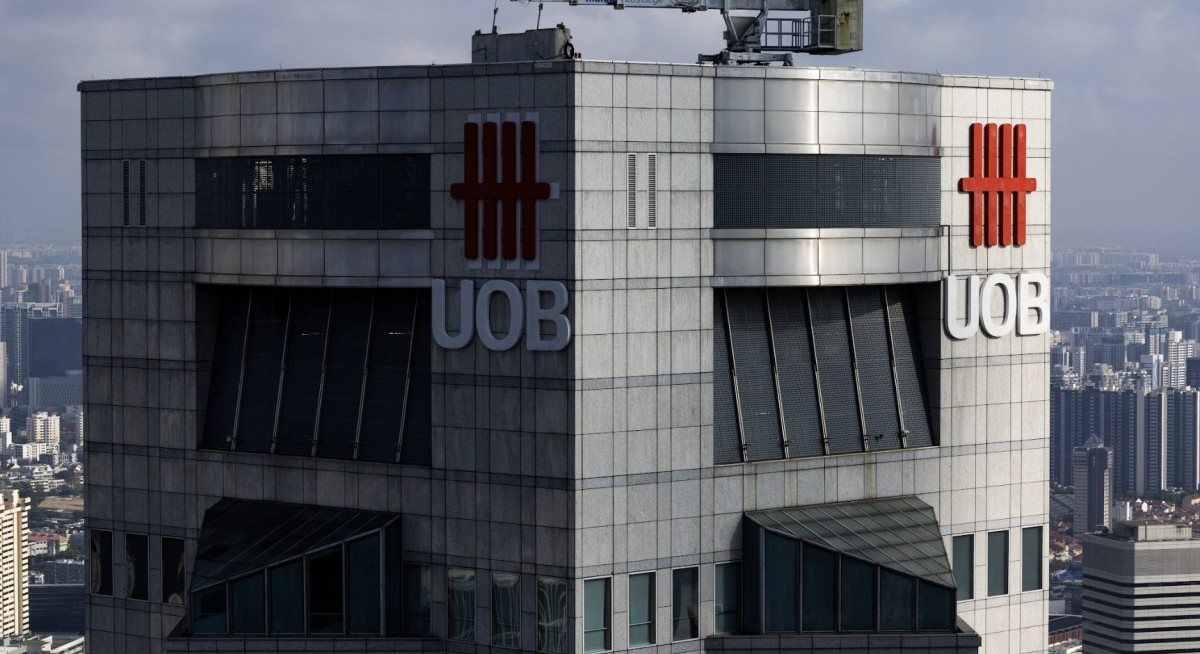



When JPMorgan analysts met with investors, they noted that they were focused on UOB’s credit costs and higher non-performing loan (NPL) formation in Greater China, the US and Thailand.
United Overseas Bank (UOB) share price has been on something of a rollercoaster ride in the first couple of months of this year. On Jan 23, the stock reached a new high of $39.50, driven by a JPMorgan report dated Jan 9. Then its share price fell sharply following the release of a report dated Jan 23, but published on Jan 25, that downgraded UOB.
To take a step back, UOB’s share price was under pressure in November and December following the announcement that it pre-emptively set aside $615 million in general allowances (general provisions or Expected Credit Loss 3 (ECL 3)) during its 3Q2025 results announcement in November 2025 to strengthen “its balance sheet against headwinds in the US and Greater China (GC) commercial real estate (CRE) sectors”.




