
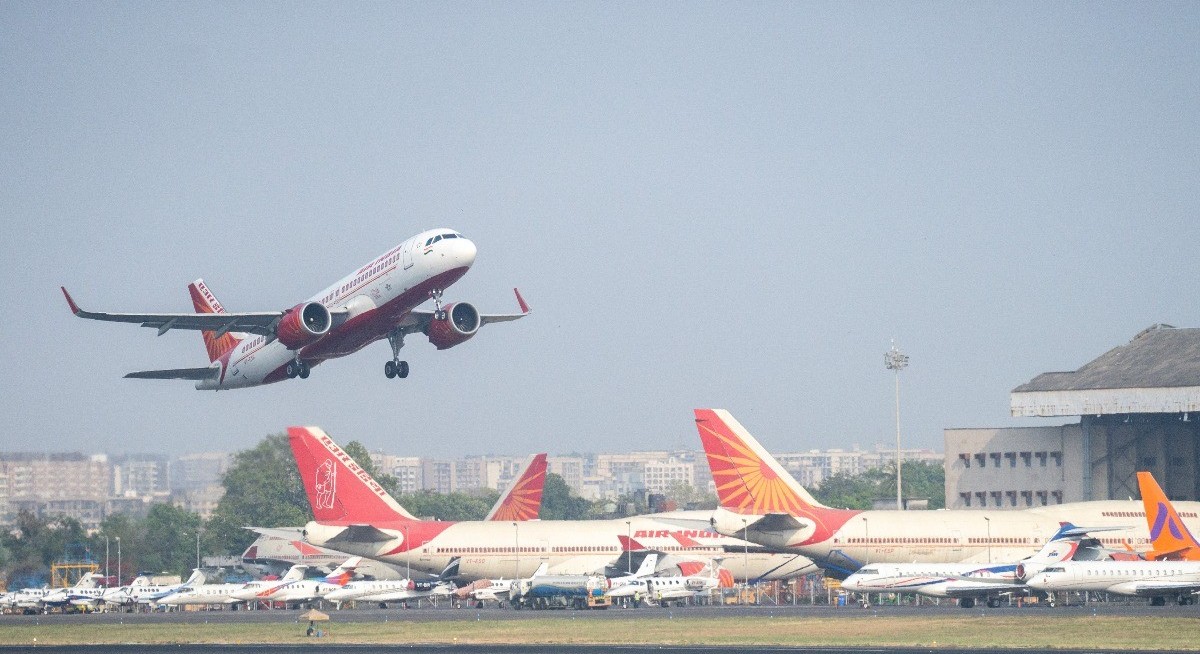
(March 10): Airlines in Asia are raising ticket prices and mapping out contingency plans that include grounding planes as the escalating Middle East conflict threatens to trigger the worst oil shock since the 1970s.
Indian carriers have hiked prices on long-haul routes by 15% and are considering further increases, people familiar with the matter said. In Vietnam, state media warned airfares could increase as much as 70% given the country’s reliance on imported jet fuel.
Airlines in the region are not as well hedged against high oil prices as rivals in Europe or the US, making them more vulnerable to sudden surges in jet fuel prices. That’s prompted low-cost Southeast Asian carriers to start gaming out scenarios where they would ground planes if jet fuel becomes unaffordable or inaccessible, according to people familiar with the matter.
After surging toward US$120 a barrel on Monday, oil tumbled late in US hours after US President Donald Trump signalled the war will end soon. Trump also said that he plans to waive oil-related sanctions and have the US Navy escort tankers through the Strait of Hormuz, a vital shipping lane that typically handles a fifth of global crude flows.
“Panic buttons have been set off everywhere,” said June Goh, senior oil market analyst at Sparta Commodities SA. “Airlines in Asia who have a weak hedging programme are very vulnerable with the current jet-fuel pricing if they sold tickets at earlier price points than where we are now.”
See also: Travellers stranded by war learn insurance won't cover flight cancellations
Some budget airlines with low profit margins may go bust if the current environment lasts for more than three months, one of the people said. Airlines worldwide could be forced to ground thousands of planes because of the war, with the weakest carriers halting operations, Michael Linenberg, an analyst at Deutsche Bank AG, wrote in a note.
Air New Zealand Ltd on Tuesday suspended its earnings guidance because wildly fluctuating jet fuel prices mean the assumptions it made less than two weeks ago are no longer valid.
“Due to this unprecedented volatility, the jet fuel price assumption underlying Air New Zealand’s guidance is no longer appropriate,” the airline said in a statement. “The crisis is expected to meaningfully affect second-half earnings and, accordingly, the airline has suspended FY2026 guidance until fuel markets and operating conditions stabilise."
See also: Yes, I Ryokan
These nascent signs of distress in the aviation industry underscore the widening fallout from the war, which shows no signs of abating over a week after the US and Israel first struck Iran. Flights have already been severely disrupted, with the Middle East’s biggest airlines and airports coming to a near standstill, and the cascading threat to fuel supply is now putting air travel across the globe in a protracted state of uncertainty.
Some industry players are clinging to optimism that the conflict will end within months, rather than years.
“My own personal view is this is shorter-lived,” said John Plueger, CEO of Air Lease Corp. “The main point here is the world doesn’t stop. It may be put on hold.”
Deutsche Lufthansa AG CEO Carsten Spohr said last week that the German airline group stands to enjoy “a relative advantage” when rivals are forced to raise ticket prices because the airline is hedged against price swings. The company is also putting more capacity on Asian and African routes, given Middle Eastern rivals are still far from operating normally, he said.
But shares of Asian carriers are likely to remain volatile as uncertainty persists.
They tumbled on Monday — Asiana Airlines fell to its lowest in more than 21 years — as oil prices soared above US$100 a barrel, while the BI Asia Pacific Airlines index fell to its lowest in more than five years. InterGlobe Aviation Ltd, which operates India’s largest airline IndiGo, slipped as much as 8.4% in Mumbai before paring some of the day's losses.
Uploaded by Arion Yeow



