



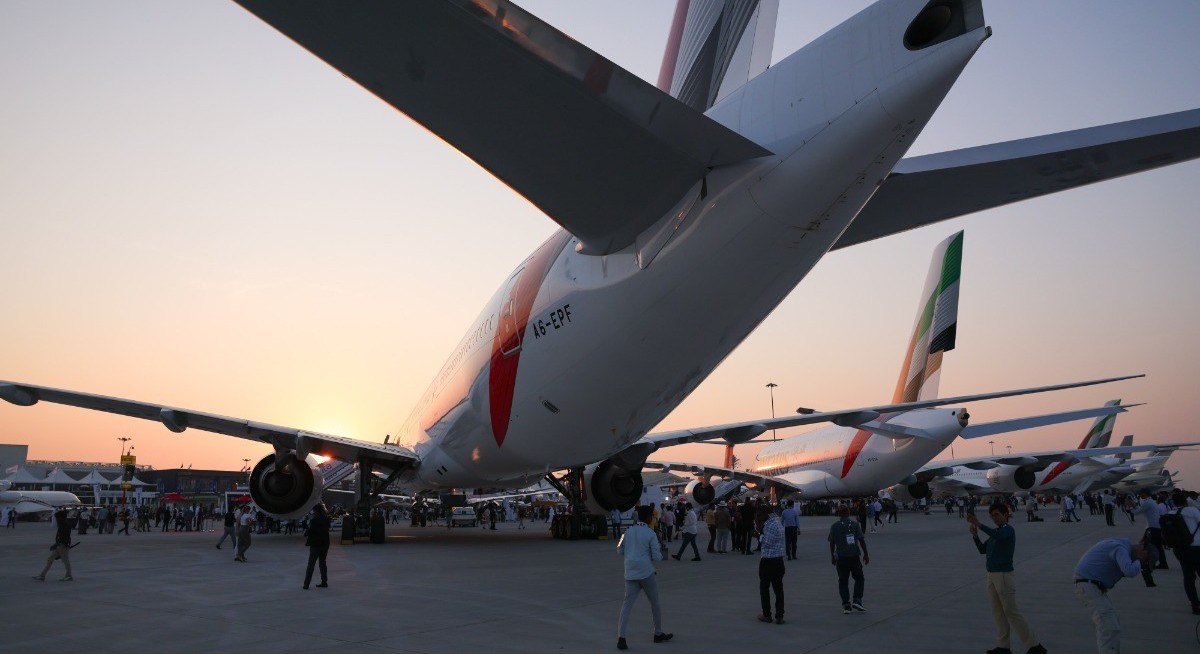


(March 12): The Iran war has exposed the fragility of modern travel, with airlines left reeling from a conflict that’s squeezed them into increasingly narrow flight paths and thrown their long-term growth plans into disarray.
Gulf carriers have spent decades positioning themselves at the centre of global air travel and places like Dubai, Abu Dhabi and Doha are now key stopover points for long-haul trips. That means when disruptions hit, a delicately mapped-out schedule for passengers, crews and aircraft is tossed out, leaving tens of thousands of travellers and hundreds of planes out of position.
Flying between Europe and Asia is a lot trickier and, for many travellers, a lot more expensive. Many airlines were already avoiding Russian airspace following its invasion of Ukraine in 2022, and the war in the Middle East has now closed off even more routes in large areas like Iran and in the Gulf — essentially funnelling flights through a narrow strip of airspace over Georgia and Azerbaijan.
Alongside the closure in conflict countries, Azerbaijan briefly shut airspace over parts of the country, leaving only a small path of about 50 miles for airplanes to pass through.
All the restrictions can add hours to some flights, with routes from India particularly affected as airlines avoid Pakistan’s airspace. Emirates, the world’s largest international carrier, has to add more than an hour on most of its routes as it avoids the Gulf as well as Iranian and Iraqi airspace. The additional flight time means planes must carry more fuel — an expensive burden in light of the spike in energy costs.

See also: Travellers flying out of Singapore limited to two power banks
The United Arab Emirates and Qatar have said they were able to establish safe air corridors amid the ongoing attacks.
Oil shock
It’s not just airlines that are facing logistical troubles. The conflict has effectively shut the Strait of Hormuz, a narrow waterway that handles a fifth of global oil flows, sparking major Gulf producers to slash production and driving up prices of crude and products like diesel and jet fuel.
See also: Between Buddha and the border
That’s seen some carriers hike fares as they add fuel surcharges to cover the ballooning cost, while airlines and other large energy consumers panic-buy oil derivatives contracts to shield them from wild price swings.

The market gyrations have put a spotlight on airlines’ hedging practices, which vary considerably across the sector and are limited in Asia. China’s Big Three carriers and India’s IndiGo are among the most exposed to fuel-price swings, according to Bloomberg Intelligence. Cathay Pacific Airways Ltd has hedged roughly 30% of its expected near-term fuel consumption.
Stock rout
Global airlines have seen billions of dollars wiped from their market capitalisation on the surging cost of fuel and uncertainty about when safe operations can resume. Bloomberg’s World Airlines Index has fallen more than 11% since the war started almost two weeks ago.

Safety concerns are likely to remain front of mind for many travellers. But demand is also set to be reshaped should sustained high oil prices push global inflation higher — spurring passengers to rethink long-haul trips, including ones that transit through the Middle East, and favour cheaper holidays closer to home.
To stay ahead of Singapore and the region’s corporate and economic trends, click here for Latest Section
Flight cuts
Thousands of passengers found themselves stranded in the early days of the war and social media is full of tales of elaborate and costly journeys to reach airports in Saudi Arabia and Oman to escape the conflict. More than 46,000 scheduled flights to and from the Middle East were cancelled between Feb 28 and March 11, according to analytics firm Cirium Ltd.

While airlines are trying to get operations back on track, it’s unclear how quickly they can resume normal schedules. Emirates is operating a reduced flight schedule to a significantly lower number of destinations than the airline typically serves.
On at least four different occasions since Dubai resumed air traffic, aircraft coming into the world’s busiest international hub were in a holding pattern as they awaited permission to land after drones hit the airport or missiles were being intercepted in the sky, according to data from Flightradar24.
Qatar Airways QCSC and Etihad Airways PJSC are operating an even smaller number of flights. Kuwait and Bahrain’s airspace remains closed, adding to the disruptions in the region.
New markets
The dislocations caused by the war and the ensuing airspace disruptions are providing European and Asian airlines with a rare chance to claw back some business lost to the likes of Emirates and Qatar Airways, which have long siphoned off passengers by providing convenient transfer options in Dubai and Doha.
In neighbouring Oman, the sultanate’s national carrier increased frequencies to European destinations and rented out more jets to accommodate the surging demand from those fleeing through Muscat International Airport, which is usually a backwater facility for tourists who favour the slow pace of Oman.
British Airways and Deutsche Lufthansa AG are adding flights to Asia and Africa amid increased long-haul demand as customers seek alternatives. Air France-KLM has deployed bigger jets on flights from a number of cities in Asia, including Tokyo, Shanghai and Mumbai, in response to increased demand and flight cancellations by Gulf-based airlines. Air India Ltd and Cathay Pacific are also mounting extra services as existing ones quickly sell out.
Uploaded by Chng Shear Lane




