



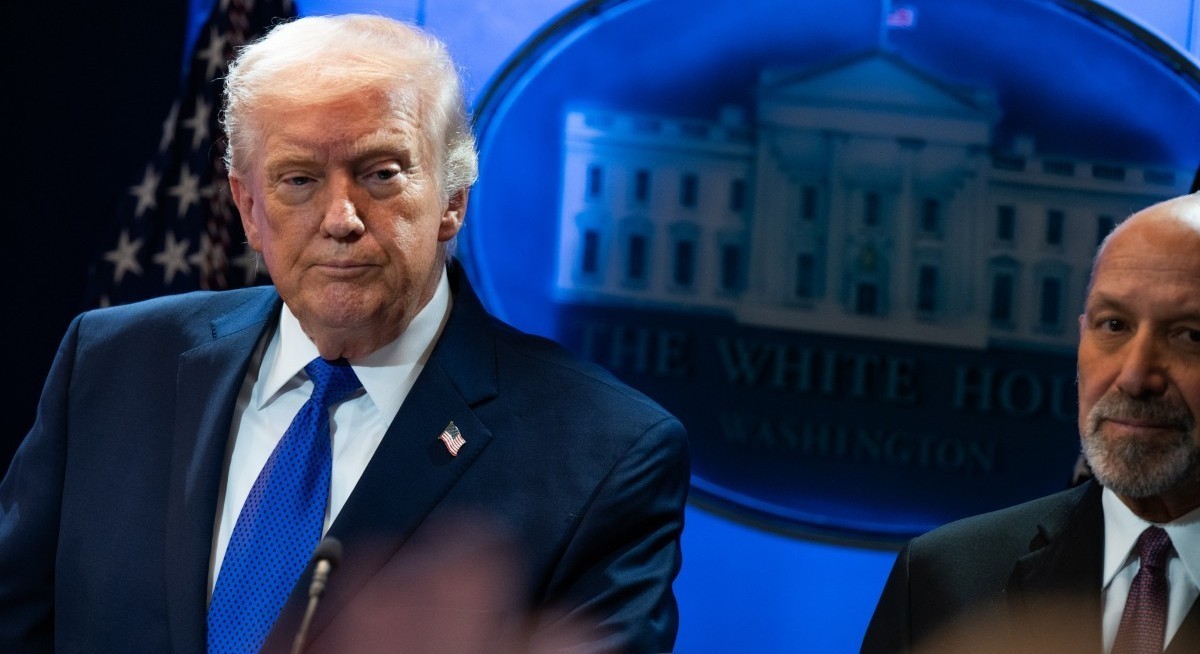



Yet as the country heads toward midterm elections in November, one wonders whether the self-proclaimed “Tariff Man” is going to get a history lesson he won’t like. Polls show some two-thirds of US voters disapprove of Trump’s import taxes — more than oppose the president’s immigration crackdown or the war on Iran.
As any student of American history could tell you, tariffs can be politically deadly. US President John Quincy Adams was turfed out the same year he signed into law what became known as the “tariff of abominations.” During William McKinley’s stint as a Republican representative from Ohio, his push for the 1890 duties that bore his name wound up costing him his seat. Herbert Hoover’s signature on the Smoot-Hawley Tariff Act of 1930 contributed to the Republicans losing control of Congress in the midterm elections a few months later.
Donald Trump won the 2016 presidential election, promising to rip up America’s trade playbook. A decade on, he’s gone further than many thought possible. He’s built the highest tariff wall around the US economy in almost a century, forced the country’s top trading partners to grovel for access to the world’s biggest consumer market and toyed with the idea of scrapping the three-country free-trade pact that supports almost US$2 trillion ($2.5 trillion) in North American commerce.




