



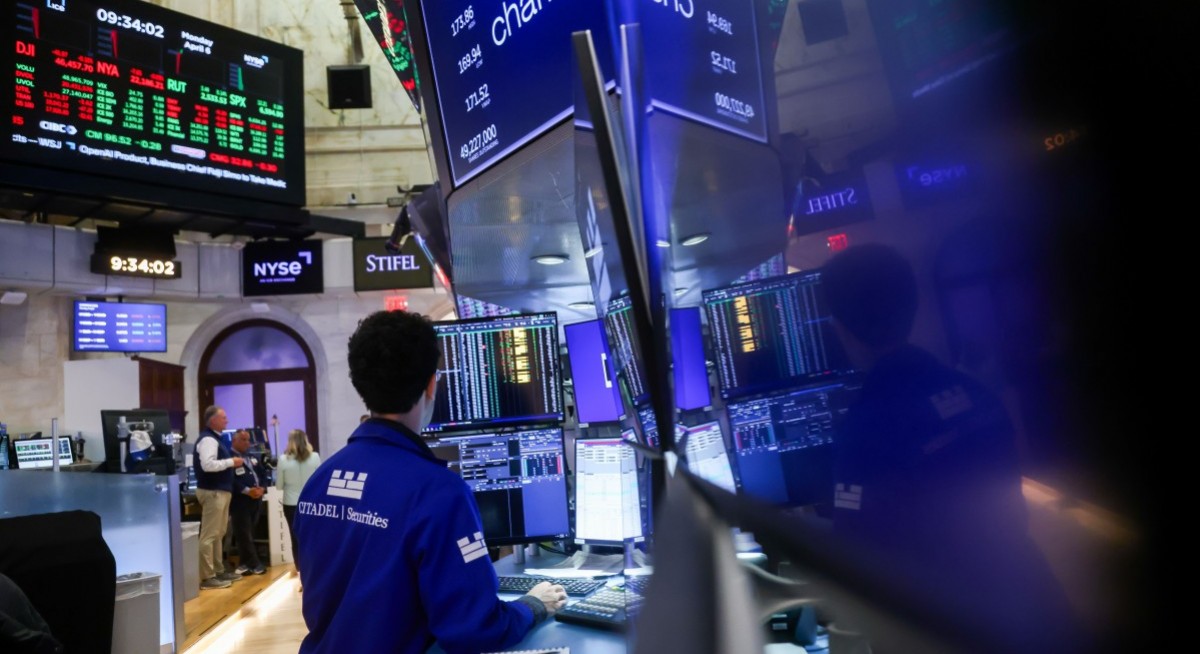


(April 8): Hopes for a diplomatic way out of the war in the Middle East spurred a bounce in stocks as oil fell ahead of President Donald Trump’s deadline for Iran to agree to a ceasefire.
In the final stretch of a jittery Wall Street session, markets got a degree of relief as Pakistan urged the US for a two-week extension of the deadline for Tehran to reopen the Strait of Hormuz. The S&P 500 erased a 1.2% drop. US crude slipped to around US$112 ($142.96) in late hours. Bond yields and the dollar fell.
“I can’t tell you, because right now we’re in heated negotiations,” Trump said in a telephone interview with Fox News when asked about the Pakistani request. White House Press Secretary Karoline Leavitt said in a statement earlier that Trump “has been made aware of the proposal, and a response will come.”
Trump earlier Tuesday threatened to wipe out Iran’s “whole civilization,” pressing the nation to make an agreement before his Tuesday 8pm deadline.
Mediators raced to keep ceasefire talks on track after Iran responded by halting its participation in the discussions, according to a person familiar with the matter.
Trump began issuing deadlines on March 21 to force Iran to reopen the Strait of Hormuz, which carries roughly a fifth of seaborne oil shipments, and has repeatedly extended the timeline.
See also: Abbott jury awards at least US$53 mil in infant-formula trial
“Hope remains that Trump’s brinkmanship will produce a last-minute agreement to resolve the situation, or perhaps another postponement of the threat to destroy Iran’s domestic infrastructure,” said veteran strategist Louis Navellier.
While geopolitical risks remained front and center, traders kept an eye on the latest economic data for clues on any potential impacts of the war.
Near-term inflation expectations jumped in March by the most in a year as consumers anticipated higher gas and food prices with the onset of war in the Middle East, according to a Federal Reserve Bank of New York survey.
See also: S&P 500 notches longest winning run since October
Fed Bank of New York President John Williams told Bloomberg Television his outlook for underlying price pressures was largely unchanged despite his expectation that higher energy costs stemming from the war will boost overall inflation.
His Chicago counterpart Austan Goolsbee said the spike in oil prices, coupled with low hiring by businesses, raises concern about the US economy.
“I’m cautious — slash — nervous about it,” he said at an event in Detroit.
Uploaded by Isabelle Francis




