



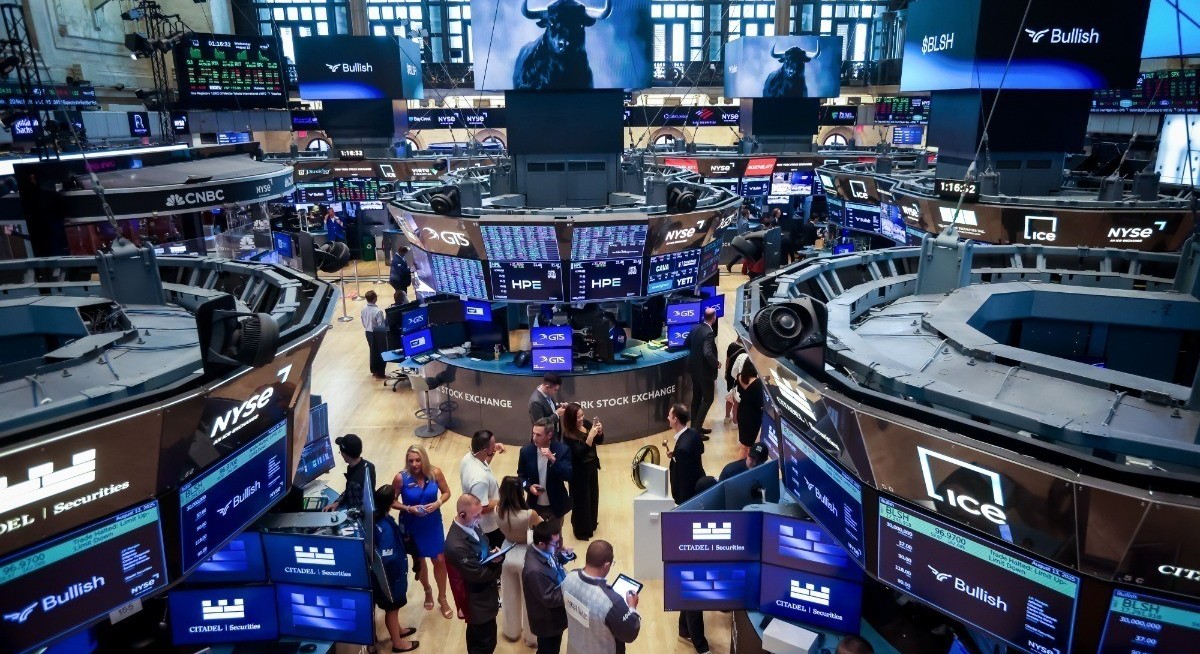


(March 9): US stocks dropped on Monday, continuing on from the biggest weekly drop since October, as the prospect of a prolonged war in Iran sent energy prices soaring and stoked fears over inflation.
The S&P 500 Index dropped 1.1% at 9.38am in New York, while the tech-heavy Nasdaq 100 Index fell 1%. Brent crude soared 9.1% to US$101 a barrel as Saudi Arabia, the world’s largest oil exporter, started to reduce oil production. The move by the kingdom follows the United Arab Emirates, Kuwait and Iraq.
“With no obvious diplomatic resolution and rhetoric being intensified on both sides, this is now likely to get the attention of markets more this week as the potential for a protracted engagement seems higher,” said Aoifinn Devitt, managing director for global wealth at Moneta Group Investment Advisors. “Oil at US$90 and above is likely to shock an already precarious consumer, and this is a new phase for the investor.”
War causing a sustained increase in energy prices is a big concern for investors as it feeds inflation and clouds the interest-rate cut outlook. The Cboe Volatility Index — the so-called fear gauge for Wall Street — rose above 30 to the highest since April.

“Stagflation fears are hitting global markets as they are having trouble forecasting the length and intensity of oil and gas interruptions,” said Dec Mullarkey, managing director at SLC Management. “The stress and volatility is unlikely to recede until there is some visibility on an endgame, or at a minimum, safe shipping.”
See also: Uber expands female driver option in the US amid increasing assault cases
Barring a solution to the hostilities over the next few weeks, Mullarkey noted that gulf inventories will hit capacity, resulting in more facility shutdowns.
SpotGamma’s Brent Kochuba said US markets have “handled the geopolitical turmoil relatively well,” though he noted that resilience could fade if oil prices remained elevated while there’s a lack of clear steps to de-escalating the conflict.
“If some of the recent uncertainty eases, investors could see volatility decline as well, potentially paving the way for a relief rally,” Kochuba said.
See also: Stocks sink amid weak jobs and inflation jitters
Short positions in US exchange-traded funds rose by 8.3% last week, the biggest increase since President Donald Trump announced sweeping tariffs in April 2025 and the second-largest jump in the past five years, according to the Goldman Sachs Prime Trading Desk.
Bearish
Market participants are becoming increasingly wary about what further damage will be done to stocks amid the war. JPMorgan Chase & Co’s trading desk warned that the conflict risks pushing the S&P 500 into a correction. Andrew Tyler, the firm’s head of global market intellicence, turned “tactically bearish” on stocks.
Meanwhile, veteran strategist Ed Yardeni said that the odds of a sharp selloff in US stocks are growing. Yardeni moved the probability of a meltdown up to 35% for the rest of the year, from 20% previously.
Later this week, the consumer price index along with the personal consumption expenditures price index will give investors fresh insight into inflation. Though, as Scope Markets chief market analyst Joshua Mahony explained, traders will be “well aware of the direction of travel for prices as energy markets soar higher.”
“While the Federal Reserve are typically encouraged to look through one-off, short-term price shocks, the prospect of an extended period of higher costs for businesses does highlight the risk that they pass that on to the consumer who already faces up to higher prices at the pump,” said Mahony.
Markets also reacted to Iran naming Mojtaba Khamenei, the son of the late Ayatollah Ali Khamenei, as its new supreme leader while keeping up attacks on several countries in the region. President Trump said on social media that short-term oil movements are a “very small price to pay” and that prices will fall rapidly “when the destruction of the Iran nuclear threat is over”.
To stay ahead of Singapore and the region’s corporate and economic trends, click here for Latest Section
US oil and gas stocks, including Chevron Corp and Exxon Mobil Corp, edged higher as oil prices climbed. Meanwhile, shares of Jefferies Financial Group Inc declined after being downgraded to equal-weight at Morgan Stanley on credit risk exposures.
Hims & Hers Health Inc surged 36% after Bloomberg News reported that Novo Nordisk A/S plans to sell its weight-loss drugs on the telehealth company’s platform, ending a public feud between the two companies.
“The market remains in a risk-off dynamic but positioning is beginning to become stretched with any positive geopolitical news likely to spark a significant relief rally,” said Tyler Richey of The Sevens Report.
However, should the news flow not improve, Richey expects “the pain on Wall Street to continue with small-caps continuing to take the brunt of the selling pressure amid rising interest rates”.
Uploaded by Felyx Teoh




