






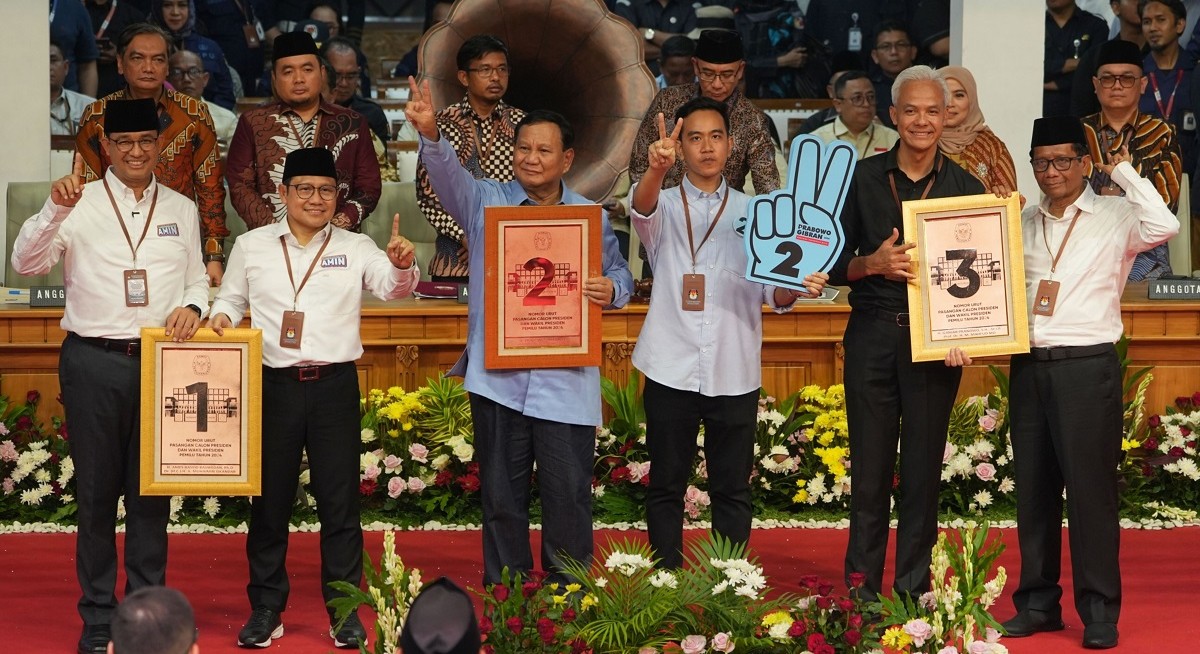



No matter how Indonesians decide, they would prove that the nature of their elections has changed forever from the days of the dictator Suharto, under whom the ruling party Golkar’s grip on electoral power was a foregone conclusion in parliamentary elections. Only the percentage of votes mattered, and even that could be predicted within a tolerable margin of statistical error.
Indonesia is in a presidential mood. That is to say, citizens are enthused by the idea of looming change. The three main contenders for the election in February next year are serving defence minister Prabowo Subianto, former education and culture minister (and former Governor of Jakarta) Anies Baswedan, and former governor of Central Java Ganjar Pranowo. Among themselves, the three represent a rich combination of professional and political competence. But only one of them will win.
The decision lies in the hands of nearly 205 million voters, a third of whom are younger than 30, in the world’s fourth-largest populous nation and its third-largest democracy after India and America.




