






Given these requirements, it is hard to believe that the 10 Brics+ members could make the sacrifices necessary to back a true rival to the dollar. Can you imagine India ceding central-bank independence to promote a new currency bloc that also includes its longtime rival, China? And can you imagine either India or China giving up capital controls? The Chinese renminbi is not widely used internationally because Chinese authorities have always made a conscious choice not to allow capital to flow in and out of China freely.
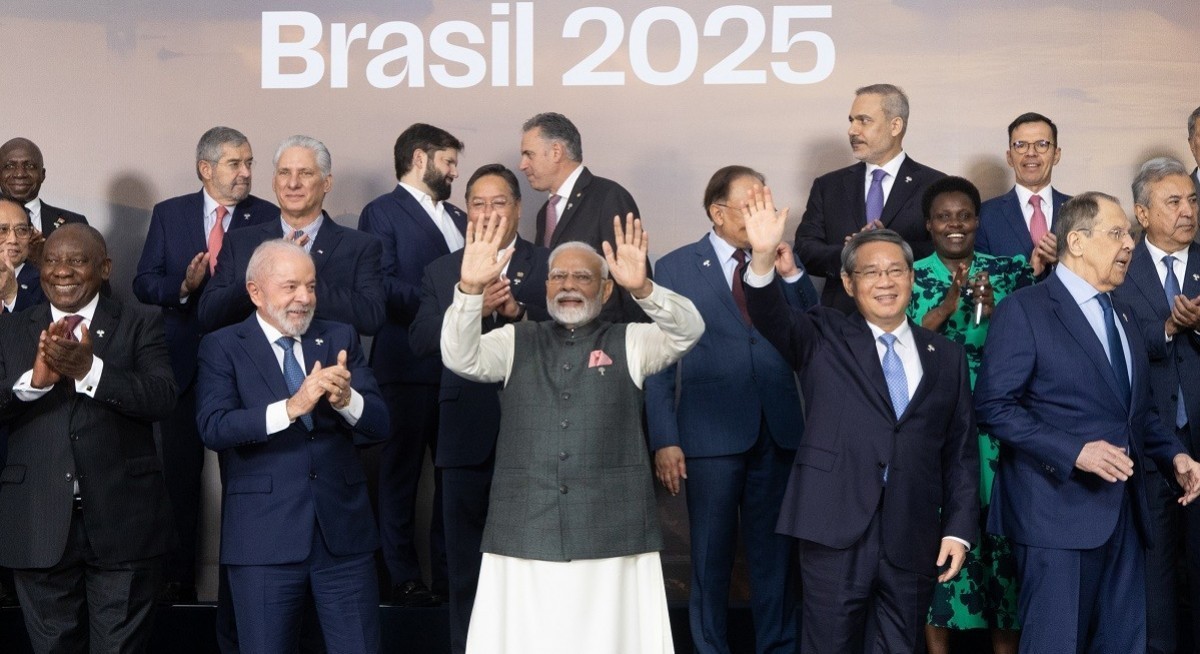
Could the Brics (Brazil, Russia, India, China, South Africa) ever launch a shared currency to challenge the US dollar’s dominant position in the world economy? Like many conventional international economists, I have generally dismissed the idea, despite my own role in coining the Brics acronym, which led to the creation of a formal Brics club (since expanded into the Brics+, with the addition of five new members).
Following the standard criteria of how major reserve currencies have developed historically, one requirement is a fully convertible capital account, so that investors both domestically and internationally can freely invest in and out of the issuing country whenever they choose. And when it comes to a common, shared currency like the euro, it is necessary to establish a new central bank, implying that each participating country’s central bank will lose its independence, including its ability to set monetary policy according to domestic conditions and priorities.




