



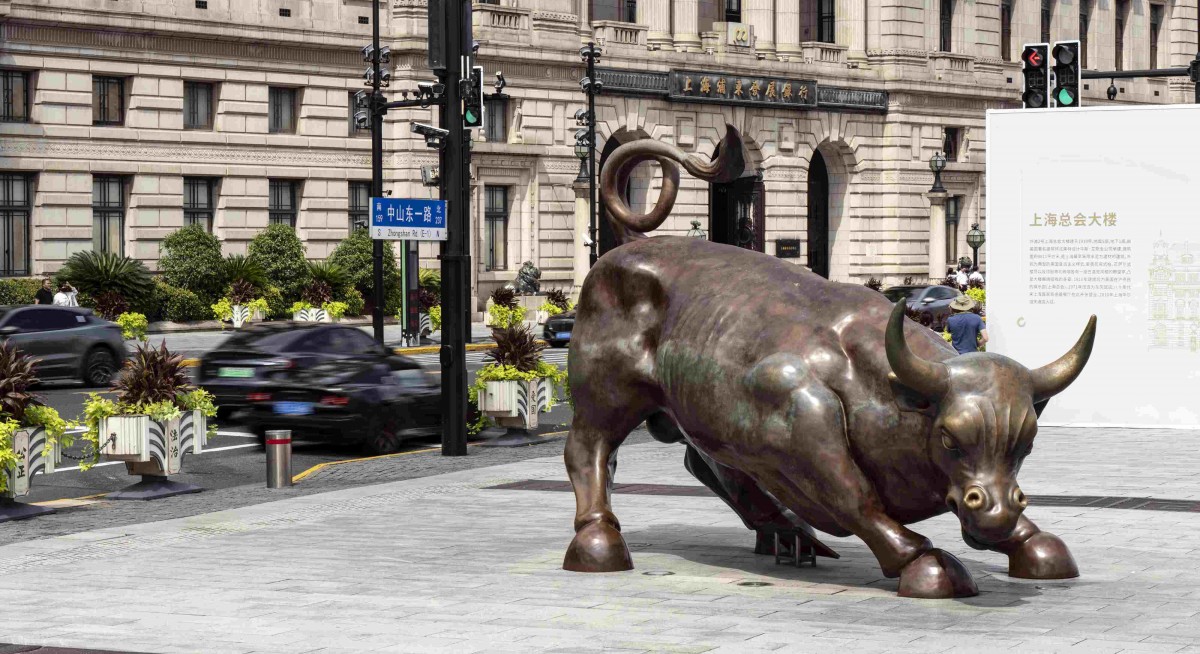



In the week following the PBOC’s announcement, the CSI 300 rose by more than 24% — its best performance since November 2008. The Hang Seng index rose by 21% in two weeks. However, the rallies in Hong Kong and mainland China now appear to be over. On Oct 8, a press conference by the National Development and Reform Commission (NDRC) did worse than fall short of market expectations; the dearth of substantive measures to bolster domestic consumption and private investment caused the Hang Seng index to fall by more than 9% on the same day.
At the end of last month, the People’s Bank of China (PBOC) surprised markets by cutting short-term interest rates (from 1.7% to 1.5%), reducing banks’ reserve requirements ratio by 50 basis points (bps), and launching a lending facility fund to encourage share buybacks and investment in domestic equities. The PBOC’s press conference was followed by a statement from China’s Politburo, which said it would step up fiscal spending to support growth.
Until these announcements, the Chinese government had stubbornly resisted calls for more aggressive monetary easing to ward off deflationary pressures that have afflicted the country for two years. Neither has there been much by way of fiscal measures to support domestic consumption. Consequently, Chinese stocks had fallen for over three years. Before the announcements, the benchmark CSI 300 index had lost nearly 45% from its peak in February 2021.




