









We all know about the first China shock. In the 1990s and 2000s, China’s share of global exports surged following the country’s bold reforms, which made its exports competitive, and its accession to the World Trade Organisation which gave it enlarged market access. Consequently, once-dominant exporters of manufactured goods such as the US, Japan and many European countries lost market share and their manufacturing sectors contracted as a result. The attendant job losses and related social dislocations are thought to be at the root of the political turbulence that many rich countries suffer today.
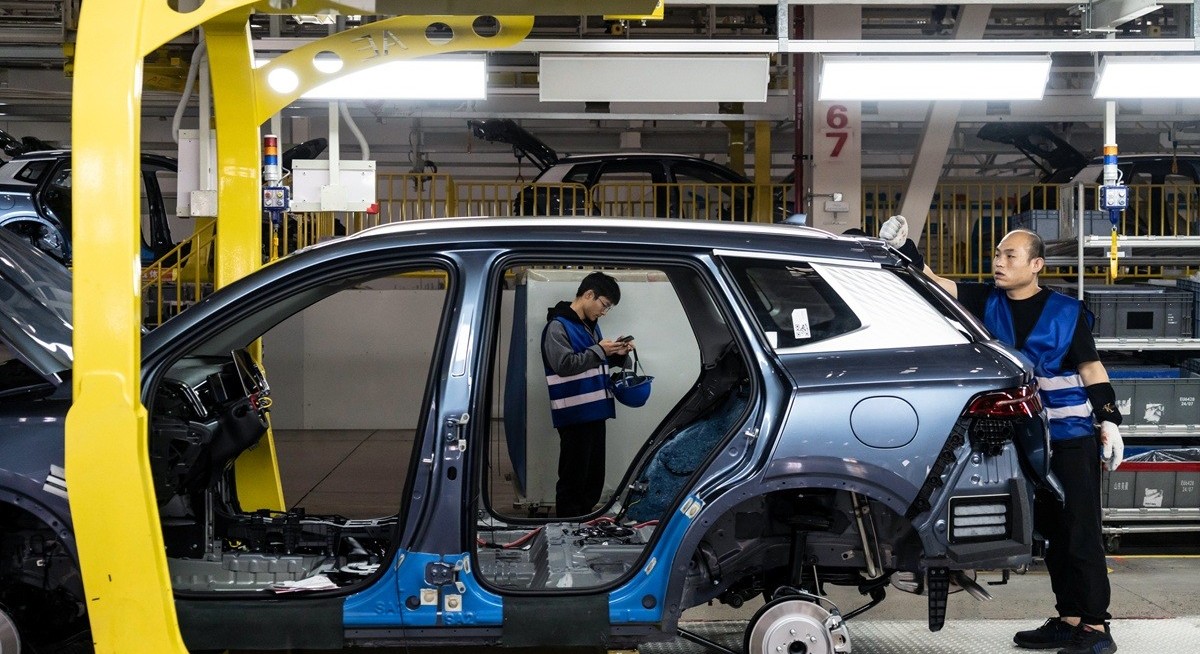
Now, a second China shock is approaching as Chinese competitiveness moves up a few further notches. This is most evident in the industries of the future like new energy products, where its exports have been growing rapidly. The implications of this new China shock may well be far greater than US President Trump’s trade war, as damaging as that has been. Both rich countries as well as poorer developing economies could take a hit. The result could be another round of trade tensions and protectionism, as countries try to contain the risks of de-industrialisation and larger trade deficits.




