



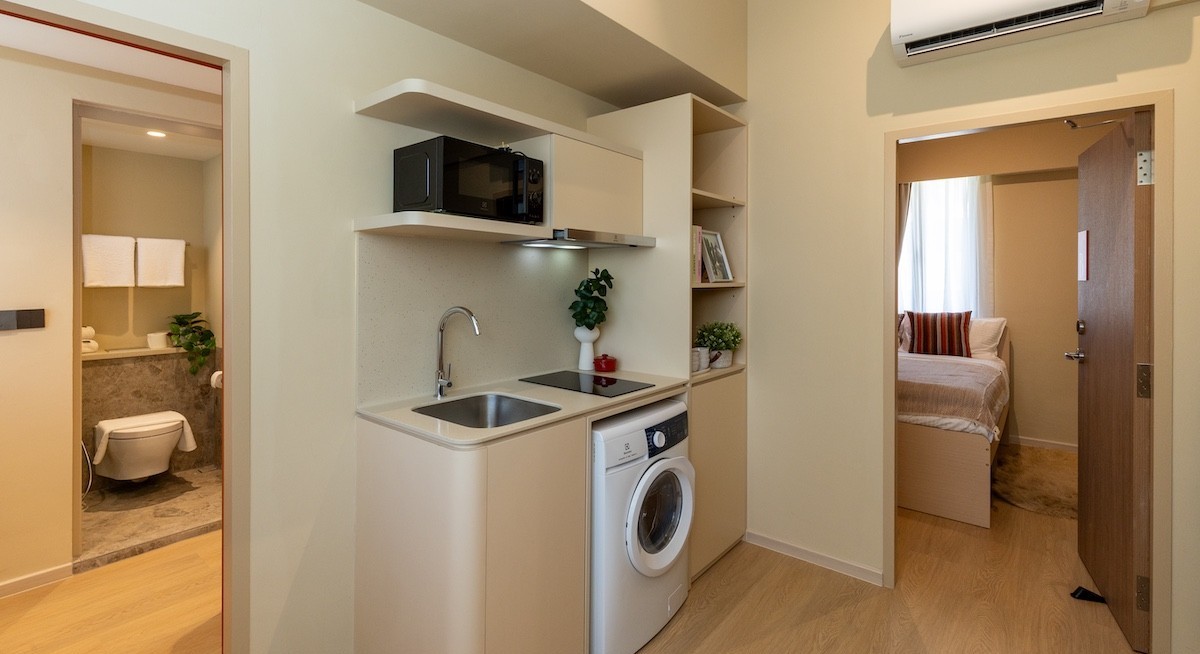



Traditional rentals demanded signing a year or two of lease and significant deposits. Hotels and serviced apartments could accommodate shorter stays, but there was hardly much value proposition for longer stays that stretched months.
When I first heard the word “co-living”, it felt like a marketing campaign rather than something with substance. This was pre-Covid, sometime in 2019, when Hmlet was the buzzy newcomer and CapitaLand’s Ascott opened lyf Funan with that photogenic ball pit. It looked fun on Instagram, but I wasn’t sure it worked in real life. Was co-living simply a fancier and more expensive dorm for adults, or did it solve a real problem for those who needed a place to live?
What changed my mind was not a press release but Covid and how it caused a shift in how people would live, work and play. The pandemic shook up the property sector — not just in Singapore, but globally. With uncertainties looming and the rising acceptance of work-from-home arrangements, tenants wanted flexibility in tenancy periods. And flexibility suddenly became not just a perk; it was a product.




