

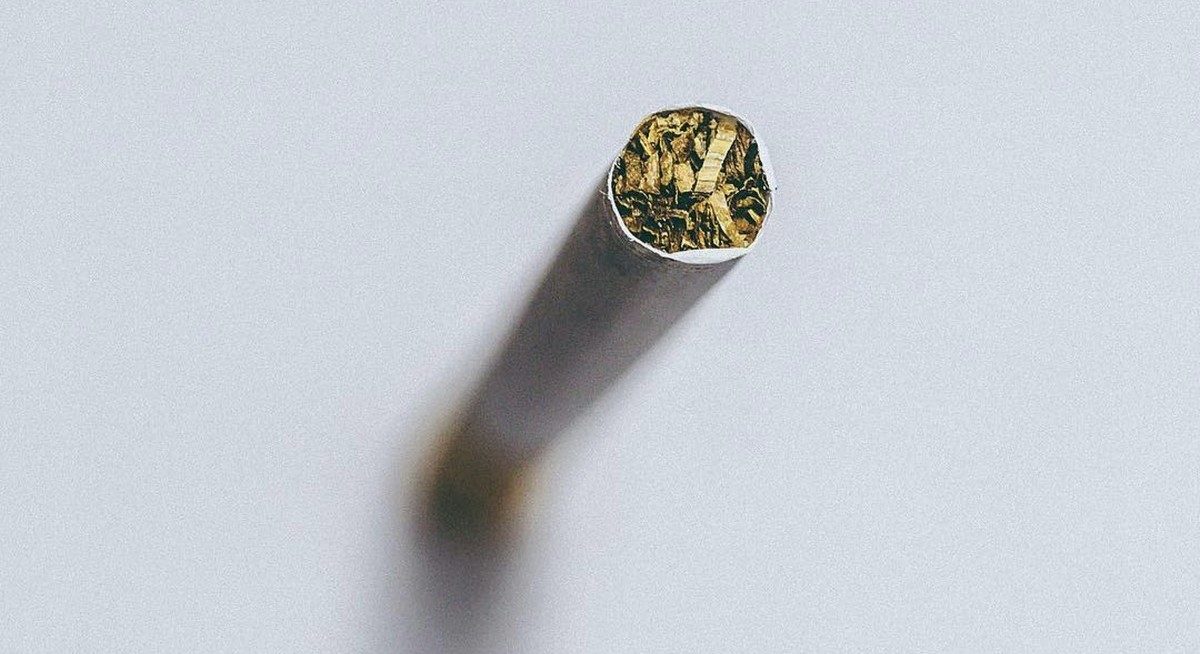

As progress towards a ‘smoke-free nation’ remains slow, one question arises: why not ban smoking outright? Singapore banned vaping in 2018 amid an alarming rise in take-up among the young. Offenders face fines, but are also offered rehabilitation and mandatory testing. The penalty for those in the business of etomidate-laced e-vaporisers or ‘Kpods’ is harsher; up to 20 years’ imprisonment and 15 strokes of the cane.
Again, this is positive governance. A nation’s socio-economic outlook is intrinsically linked to the health of its people. So why take a more lenient approach to tobacco use? Unlike vaping, there is less need to educate the public about the effects of smoking and justify a stern punishment. Big Tobacco is a faceless, ugly business whose money is made from poisoning people.
One reason is that old habits die hard. Policymakers say they have conceded defeat, with smoking now an ingrained habit among previous generations, formed when its harmful effects were not widely recognised. This is a reality accepted by both legislators and smokers. The habit today grows more expensive and inconvenient to discourage use, leaving only the most dedicated smokers puffing away.
Another reality is that $1.11 billion was collected in tobacco duties last year; in fact, over a billion dollars have been raked in annually since 2022. A 20% hike should give the government even more funds for public spending. Five years of Singapore’s AI research, a top-up to its Startup SG Equity Scheme, and the upgrading and building of new hawker centres have all cost $1 billion each. Tobacco dollars are useful.
See also: Let’s go beyond task forces and workgroups when tackling problems
“Our aim is not so much to raise sufficient revenue to cover the costs of smoking, but to have an effective system of taxation that will reduce tobacco consumption and its accompanying negative effect,” replied then-Deputy Prime Minister Lawrence Wong to a parliamentary question raised in 2023.
This has worked. Aside from 2024’s record-low number of daily smokers, the average number of cigarettes smoked weekly stood at 56 in the fourth quarter of 2023. This figure was 72 in 2021’s third quarter. Although Wong will be pleased with the progress, a tobacco-free Singapore will probably remain out of reach.
Ultimately, a smoker is only encouraged to quit when an abstract concern becomes a concrete, acute health scare that shocks them into stubbing out the habit. But a nation that cares for the welfare of its citizens should not wait for a growing population of the sick, particularly when the ailment is preventable.
Until lawmakers push for a total ban on tobacco, death and taxes seem especially certain for Singapore’s smokers.


