



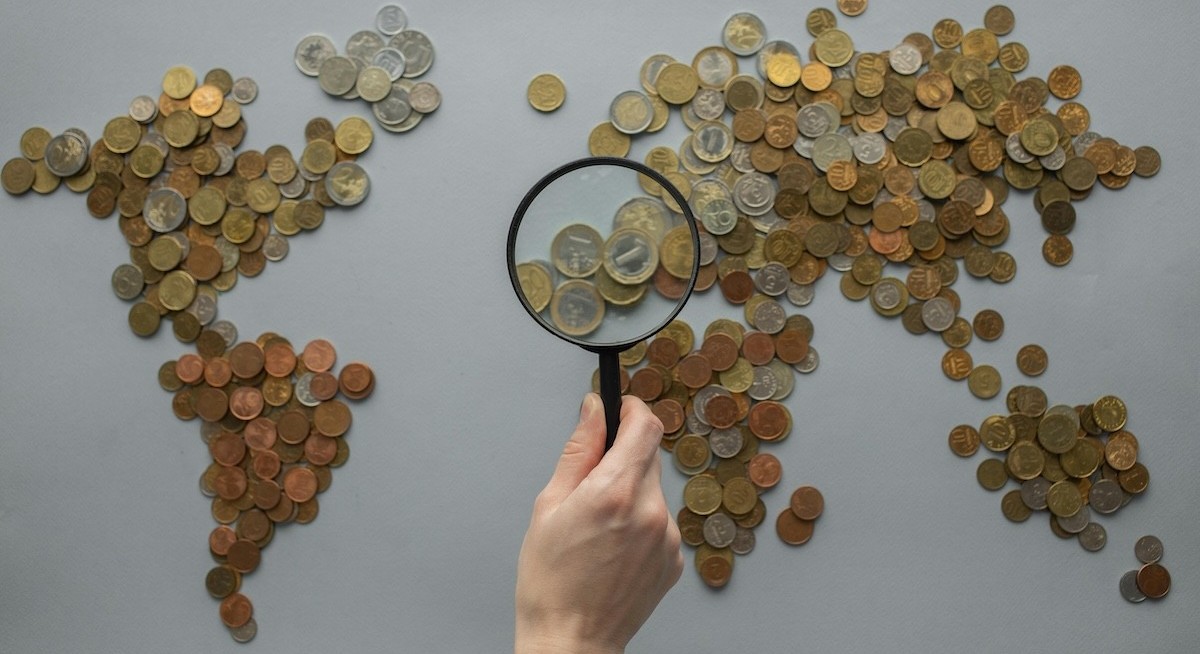



We find that the world is not “deglobalising” so much as reconfiguring — like water finding new channels. As geopolitical tensions escalate and economic security concerns grow, companies redirect investment and redesign supply chains.
With conflict disrupting shipping in the Middle East and the future of US tariffs still uncertain, global trade is firmly in the spotlight. But while it certainly matters how these political developments unfold, one must not lose sight of the deeper forces at work in the global economy.
The past year was among the most tumultuous for global trade in living memory, with US tariff rates rising to their highest level in nearly a century and trade between the United States and China — one of the world’s largest trading corridors—falling by roughly 30%. Yet global trade did not decline. On the contrary, it continued to grow, rerouting in ways consistent with patterns we began measuring three years ago in McKinsey Global Institute research on geopolitically driven shifts in trade.




