



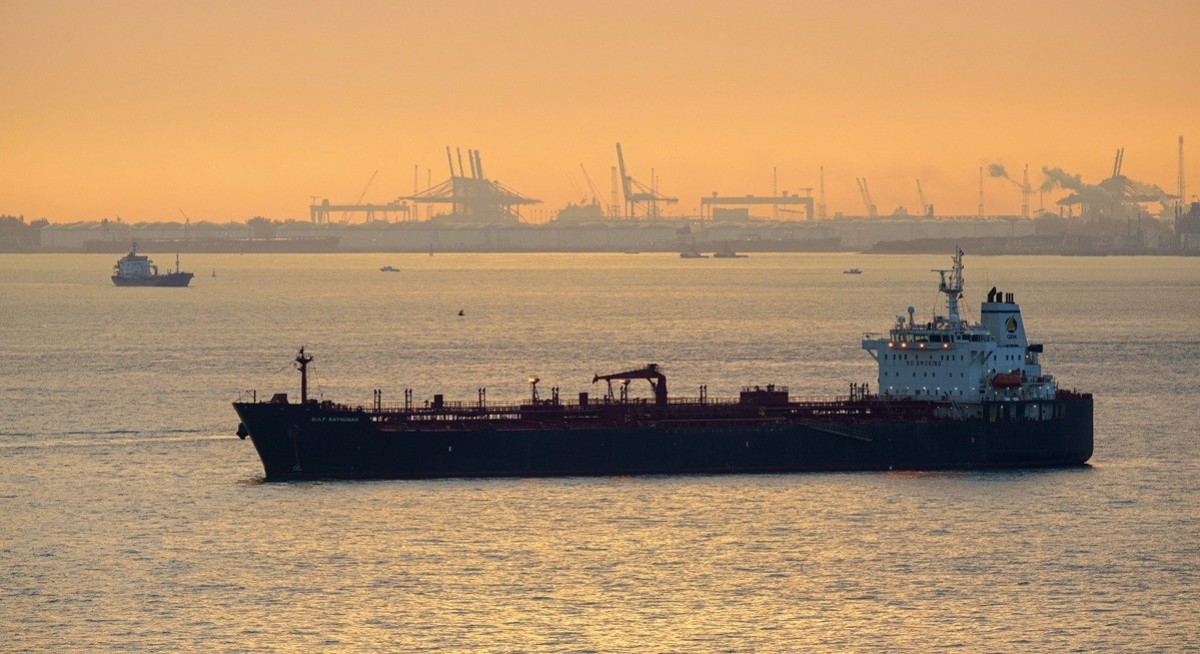



As Jeff Currie, chief strategy officer at Carlyle Group, says: “You look at the paper markets. They’ve entirely disconnected from the physical markets. We’re dealing with an enormous supply shock.” Goldman Sachs and Citigroup have both warned that futures could hit the all-time 2008 record of US$147.50 if the conflict continues. Qatar’s energy minister Saad al-Kaabi forecast a US$150 price within two to three weeks if the Strait of Hormuz remains closed. Former IMF chief economist Olivier Blanchard has cited US$200.
Singapore closed 2025 with full-year GDP growth of 4.8% — its strongest performance since the post-pandemic rebound and above the government’s own forecast — with the final quarter accelerating to 5.7%, driven by a record surge in semiconductor output and pharmaceutical exports. The Straits Times Index (STI) rose 22.7% over the year and crossed 5,000 points. The government entered 2026 having raised its growth forecast to between 2% and 4%, and with Singapore’s macroeconomic position as sound as it had been in a decade.
Within 72 hours of the first US and Israeli strikes on Iran on Feb 28, that picture had fundamentally shifted. By March 20, Brent crude was trading at US$110 ($141.19) per barrel, up 54% in a single month, having briefly touched US$119. Critically, that headline figure understates the real cost hitting Asia’s physical buyers. Omani benchmark crude was trading above US$162 per barrel in the physical market; UAE Murban crude topped US$145 as Asian refiners scrambled for supply at any price.




